Skills guide
Cooking without power in an apartment.
Gas stove with an electric igniter, electric microwave, no yard, no fireplace. Here is how you eat.
One page. Read it here, save the image to your phone, or print it for the fridge.
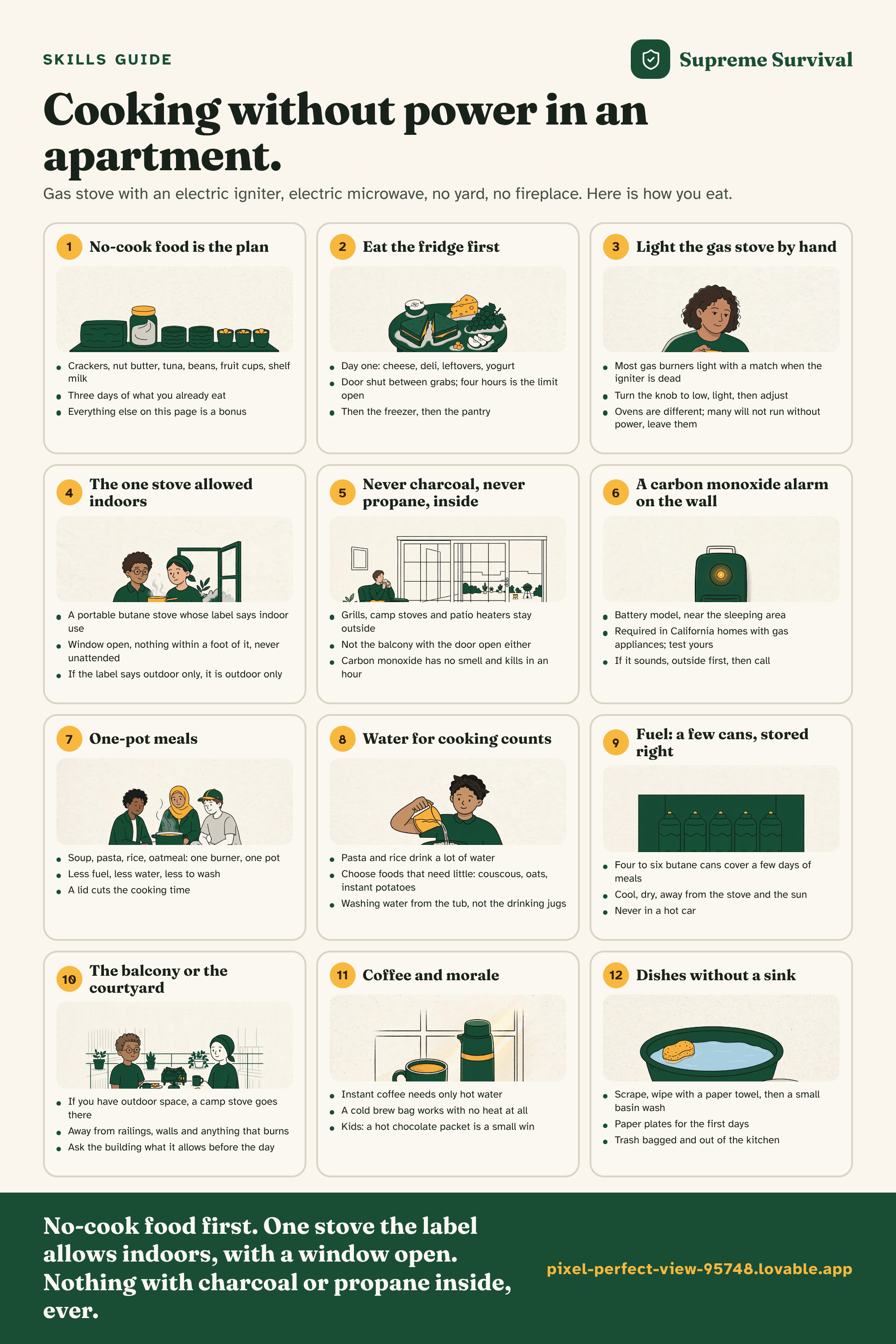
The apartment outage problem is simple: the stove needs power to light, the microwave is dead, and there is no yard for a grill. Most of the answer is food that never needed cooking. The rest is one small stove used the way its label says, with a window open and a carbon monoxide alarm on the wall.
- 1
No-cook food is the plan
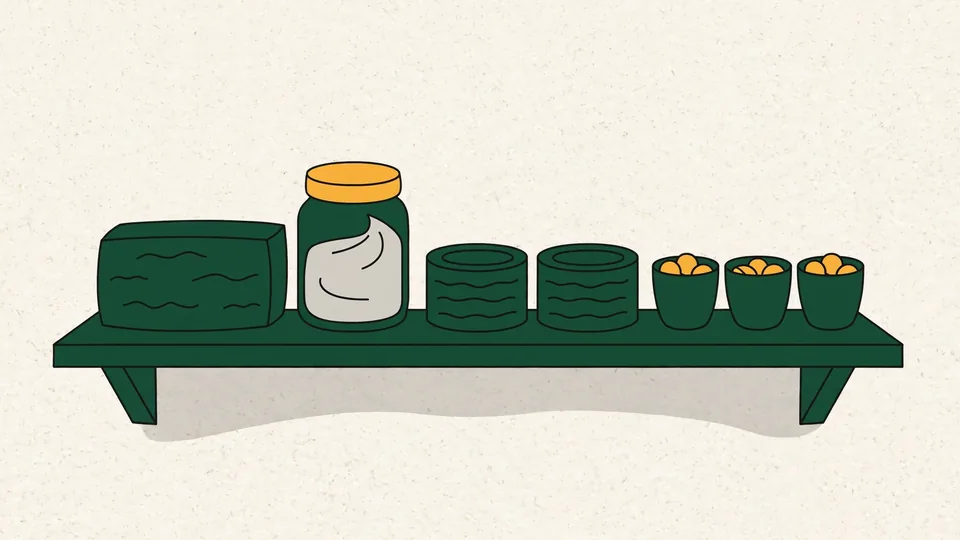
- Crackers, nut butter, tuna, beans, fruit cups, shelf milk
- Three days of what you already eat
- Everything else on this page is a bonus
- 2
Eat the fridge first
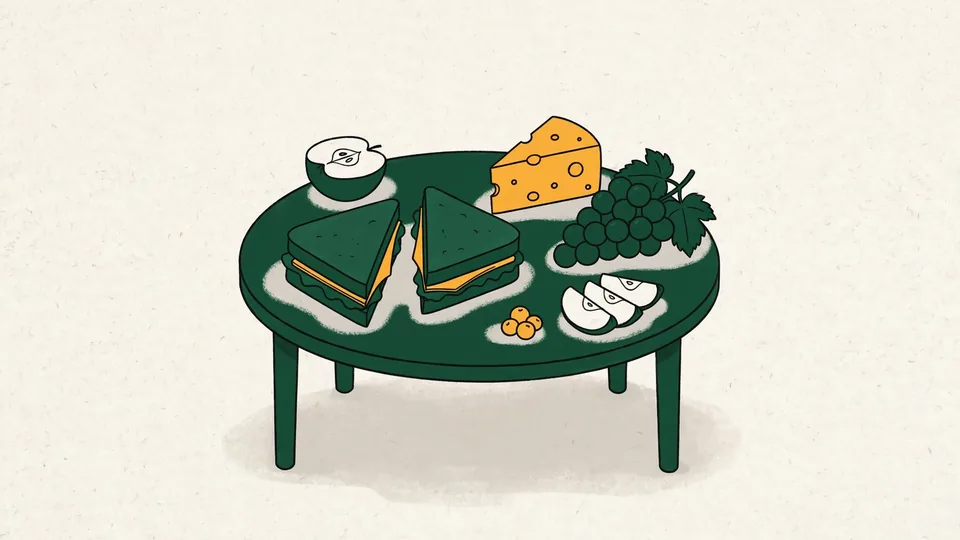
- Day one: cheese, deli, leftovers, yogurt
- Door shut between grabs; four hours is the limit open
- Then the freezer, then the pantry
- 3
Light the gas stove by hand
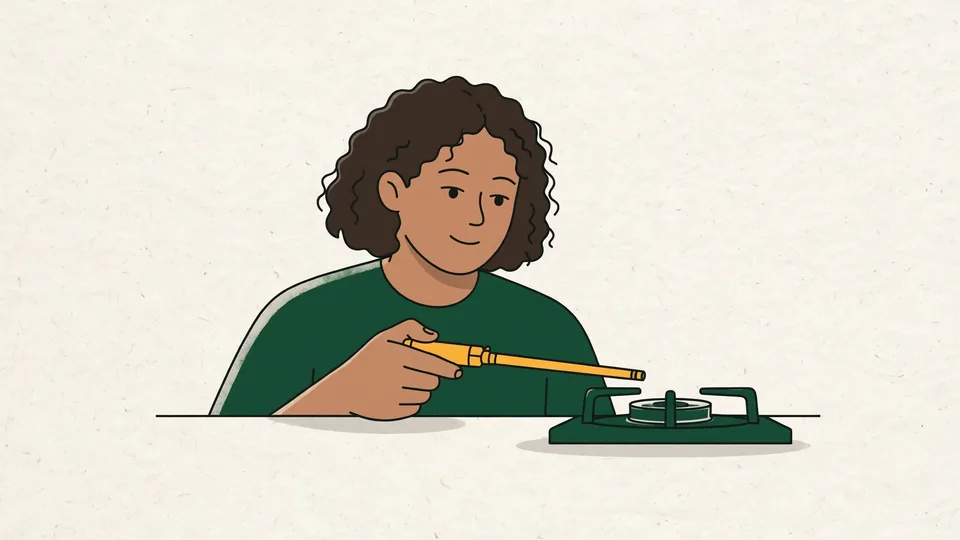
- Most gas burners light with a match when the igniter is dead
- Turn the knob to low, light, then adjust
- Ovens are different; many will not run without power, leave them
- 4
The one stove allowed indoors
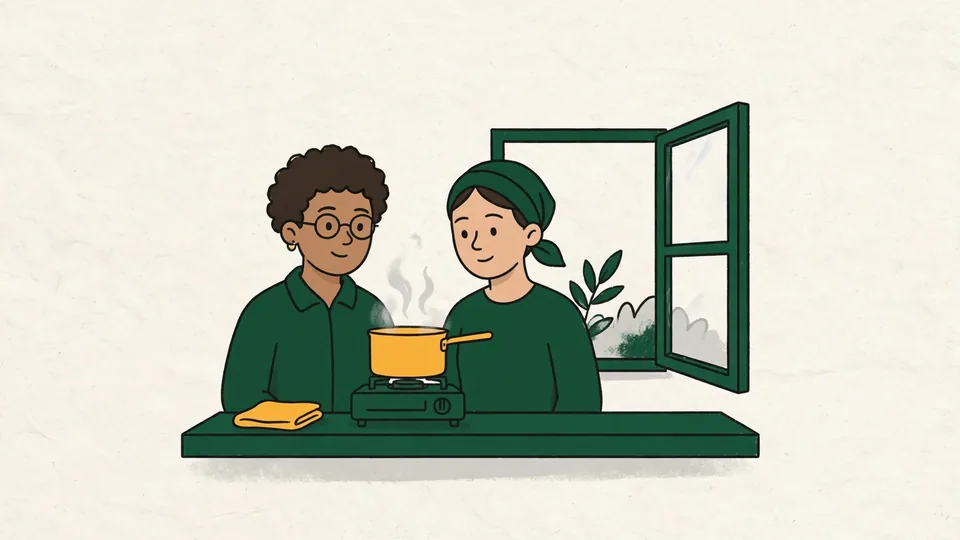
- A portable butane stove whose label says indoor use
- Window open, nothing within a foot of it, never unattended
- If the label says outdoor only, it is outdoor only
- 5
Never charcoal, never propane, inside
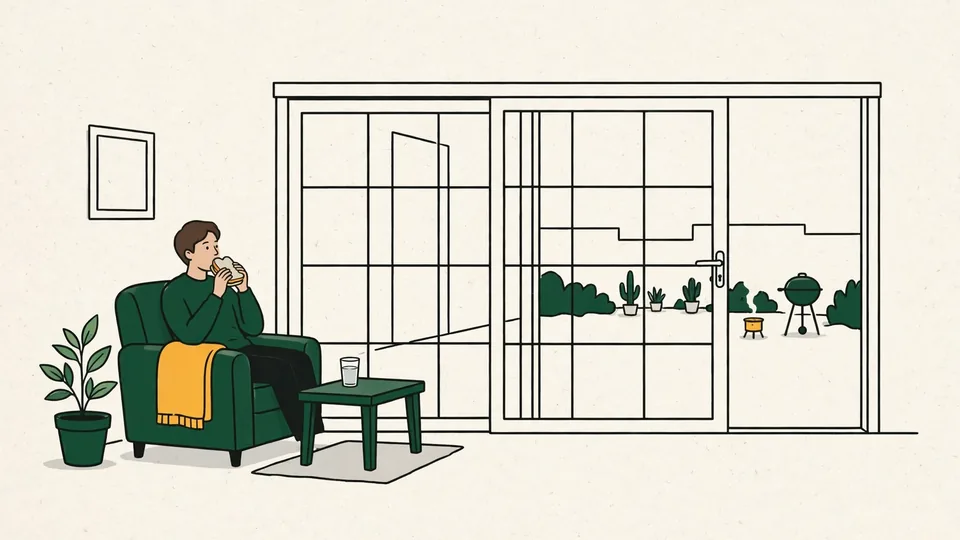
- Grills, camp stoves and patio heaters stay outside
- Not the balcony with the door open either
- Carbon monoxide has no smell and kills in an hour
- 6
A carbon monoxide alarm on the wall
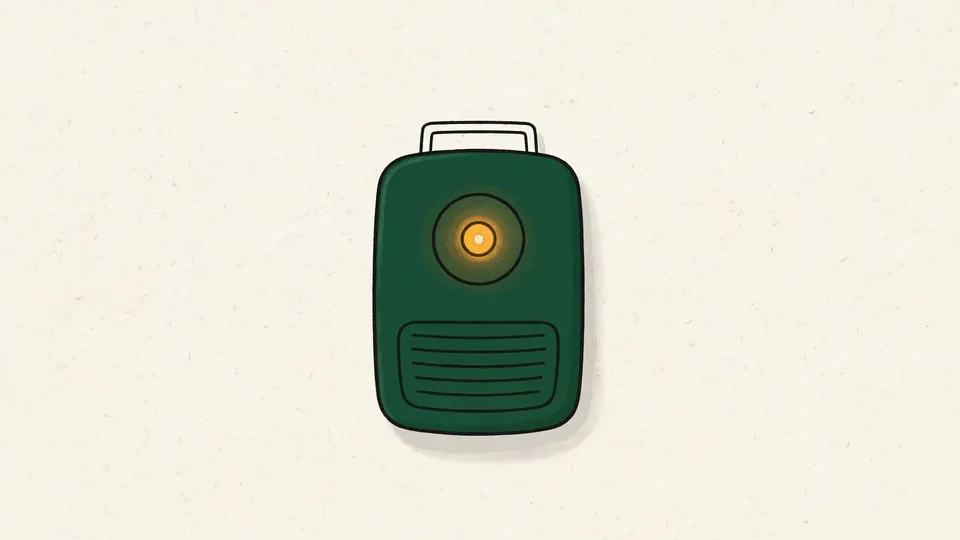
- Battery model, near the sleeping area
- Required in California homes with gas appliances; test yours
- If it sounds, outside first, then call
- 7
One-pot meals
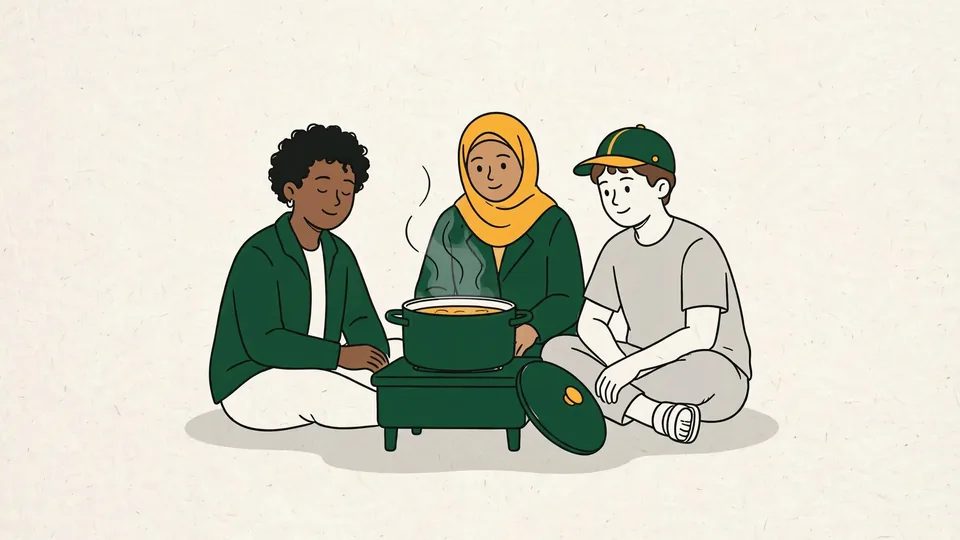
- Soup, pasta, rice, oatmeal: one burner, one pot
- Less fuel, less water, less to wash
- A lid cuts the cooking time
- 8
Water for cooking counts
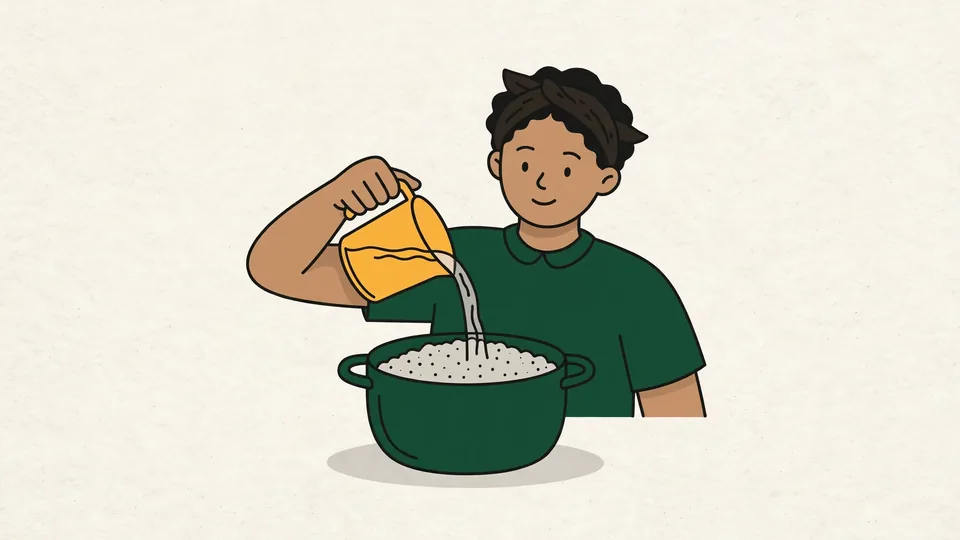
- Pasta and rice drink a lot of water
- Choose foods that need little: couscous, oats, instant potatoes
- Washing water from the tub, not the drinking jugs
- 9
Fuel: a few cans, stored right
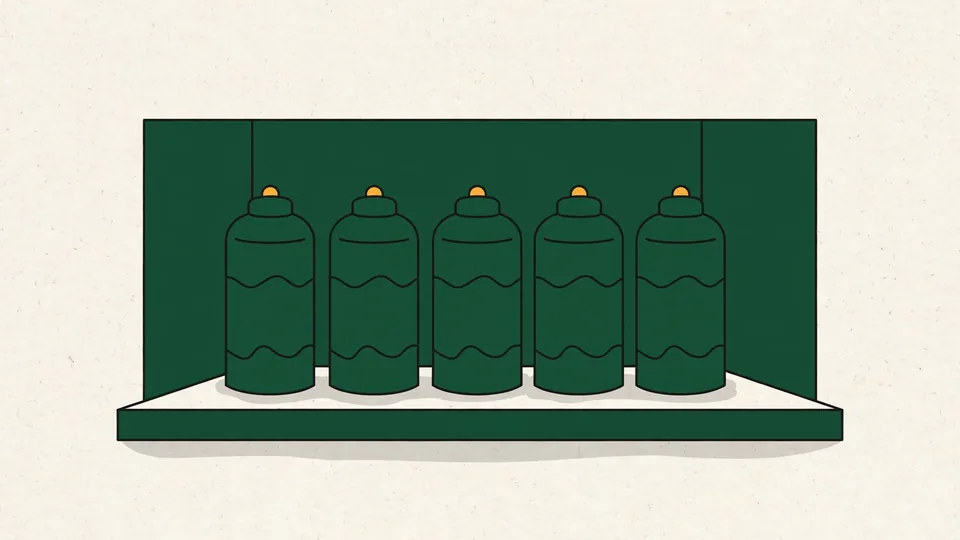
- Four to six butane cans cover a few days of meals
- Cool, dry, away from the stove and the sun
- Never in a hot car
- 10
The balcony or the courtyard
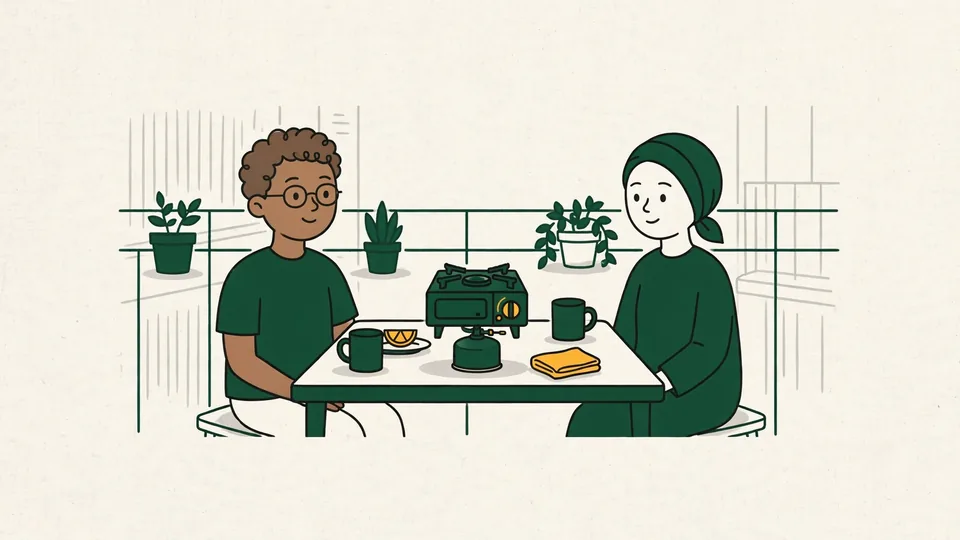
- If you have outdoor space, a camp stove goes there
- Away from railings, walls and anything that burns
- Ask the building what it allows before the day
- 11
Coffee and morale
- Instant coffee needs only hot water
- A cold brew bag works with no heat at all
- Kids: a hot chocolate packet is a small win
- 12
Dishes without a sink
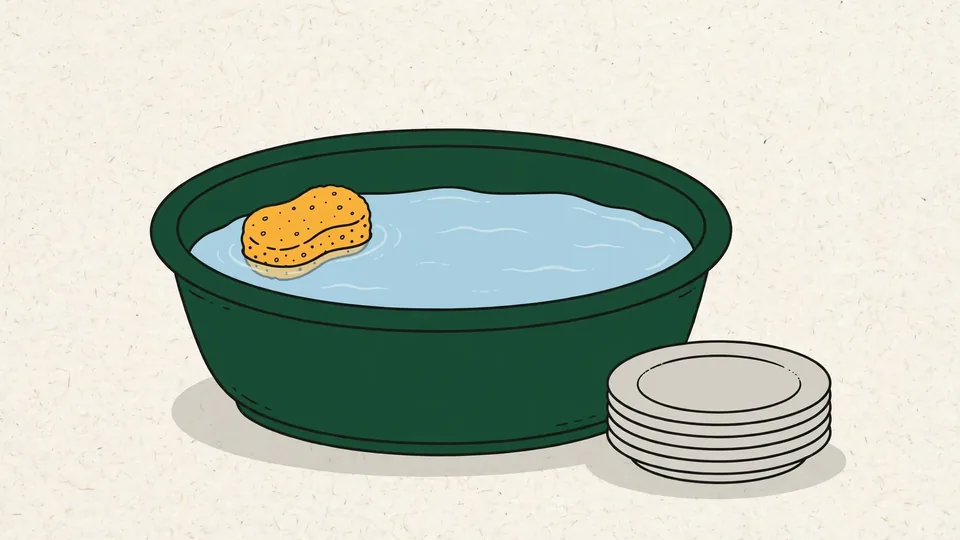
- Scrape, wipe with a paper towel, then a small basin wash
- Paper plates for the first days
- Trash bagged and out of the kitchen
No-cook food first. One stove the label allows indoors, with a window open. Nothing with charcoal or propane inside, ever.
Get the free 72-Hour Readiness Plan
More guides
Kit guide
The 72-hour family kit, item by item.
Everything a household needs for three days with no help, and nothing it does not.
Open the guide
Home guide
A week without power.
How a normal household eats, stays clean, keeps cool or warm, and sleeps when the grid is gone for days.
Open the guide
Gear Lab guide
Backup power, ranked by what actually works.
Twelve ways to keep phones, lights and a fridge going, from best to barely.
Open the guide