Skills guide
The day-hike ten essentials.
The National Park Service list for any hike, plus the two things to do before you leave the car.
One page. Read it here, save the image to your phone, or print it for the fridge.
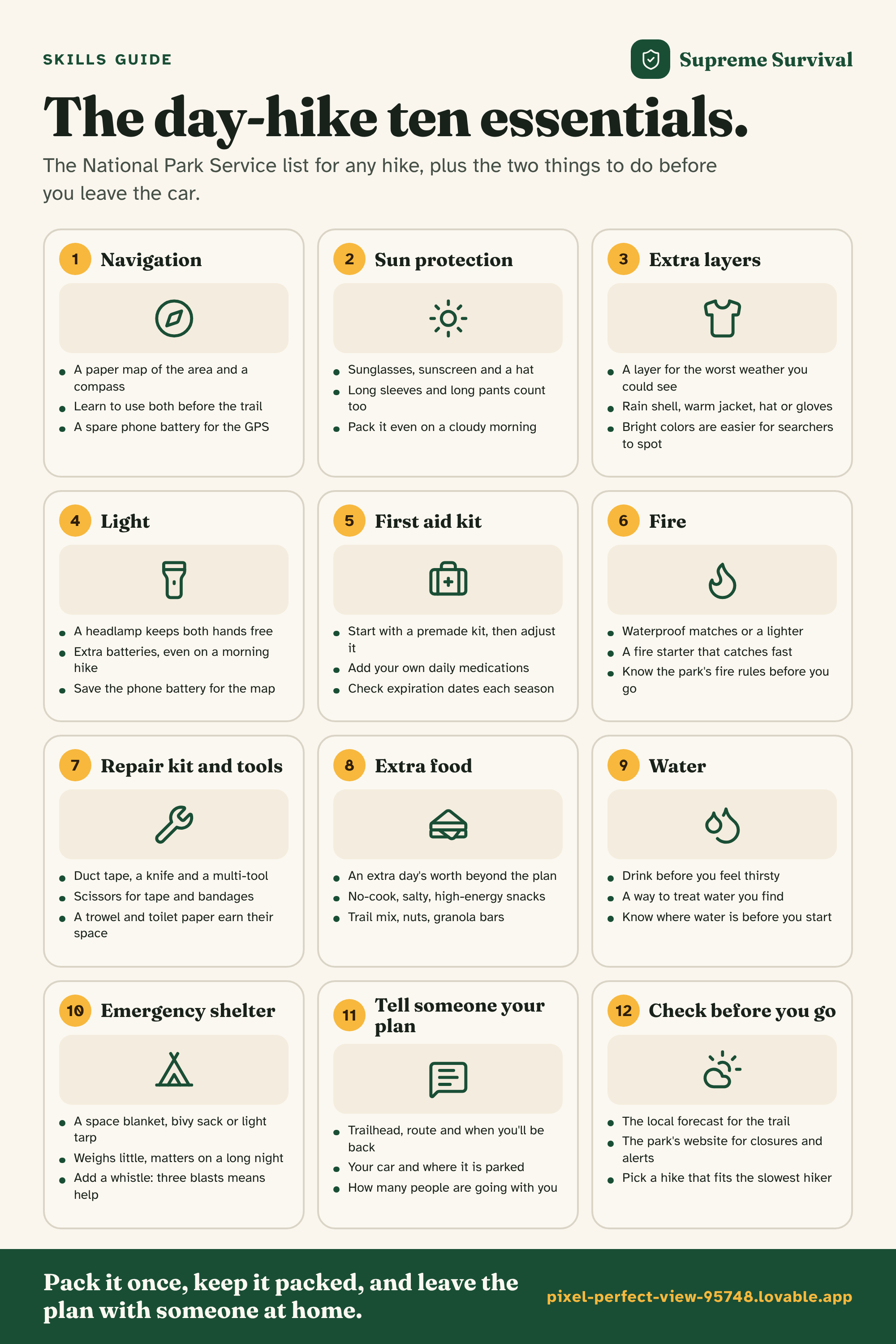
The Ten Essentials are the National Park Service's short list for every hike, even an easy one close to home. Most of it fits in a small daypack and can stay packed between trips. Here are the ten, plus the two habits that make them work.
- 1
Navigation
- A paper map of the area and a compass
- Learn to use both before the trail
- A spare phone battery for the GPS
- 2
Sun protection
- Sunglasses, sunscreen and a hat
- Long sleeves and long pants count too
- Pack it even on a cloudy morning
- 3
Extra layers
- A layer for the worst weather you could see
- Rain shell, warm jacket, hat or gloves
- Bright colors are easier for searchers to spot
- 4
Light
- A headlamp keeps both hands free
- Extra batteries, even on a morning hike
- Save the phone battery for the map
- 5
First aid kit
- Start with a premade kit, then adjust it
- Add your own daily medications
- Check expiration dates each season
- 6
Fire
- Waterproof matches or a lighter
- A fire starter that catches fast
- Know the park's fire rules before you go
- 7
Repair kit and tools
- Duct tape, a knife and a multi-tool
- Scissors for tape and bandages
- A trowel and toilet paper earn their space
- 8
Extra food
- An extra day's worth beyond the plan
- No-cook, salty, high-energy snacks
- Trail mix, nuts, granola bars
- 9
Water
- Drink before you feel thirsty
- A way to treat water you find
- Know where water is before you start
- 10
Emergency shelter
- A space blanket, bivy sack or light tarp
- Weighs little, matters on a long night
- Add a whistle: three blasts means help
- 11
Tell someone your plan
- Trailhead, route and when you'll be back
- Your car and where it is parked
- How many people are going with you
- 12
Check before you go
- The local forecast for the trail
- The park's website for closures and alerts
- Pick a hike that fits the slowest hiker
Pack it once, keep it packed, and leave the plan with someone at home.
More guides
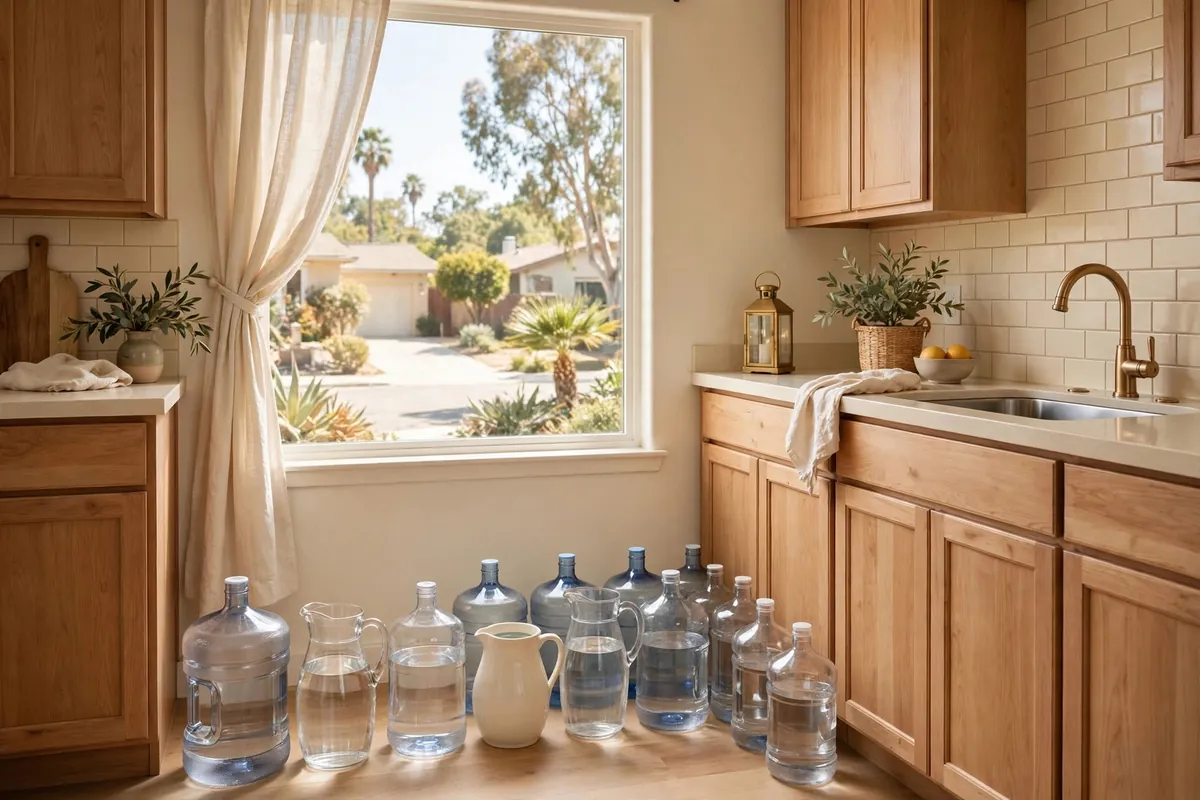
Home guide
A week without power.
How a normal household eats, stays clean, keeps cool or warm, and sleeps when the grid is gone for days.
Open the guide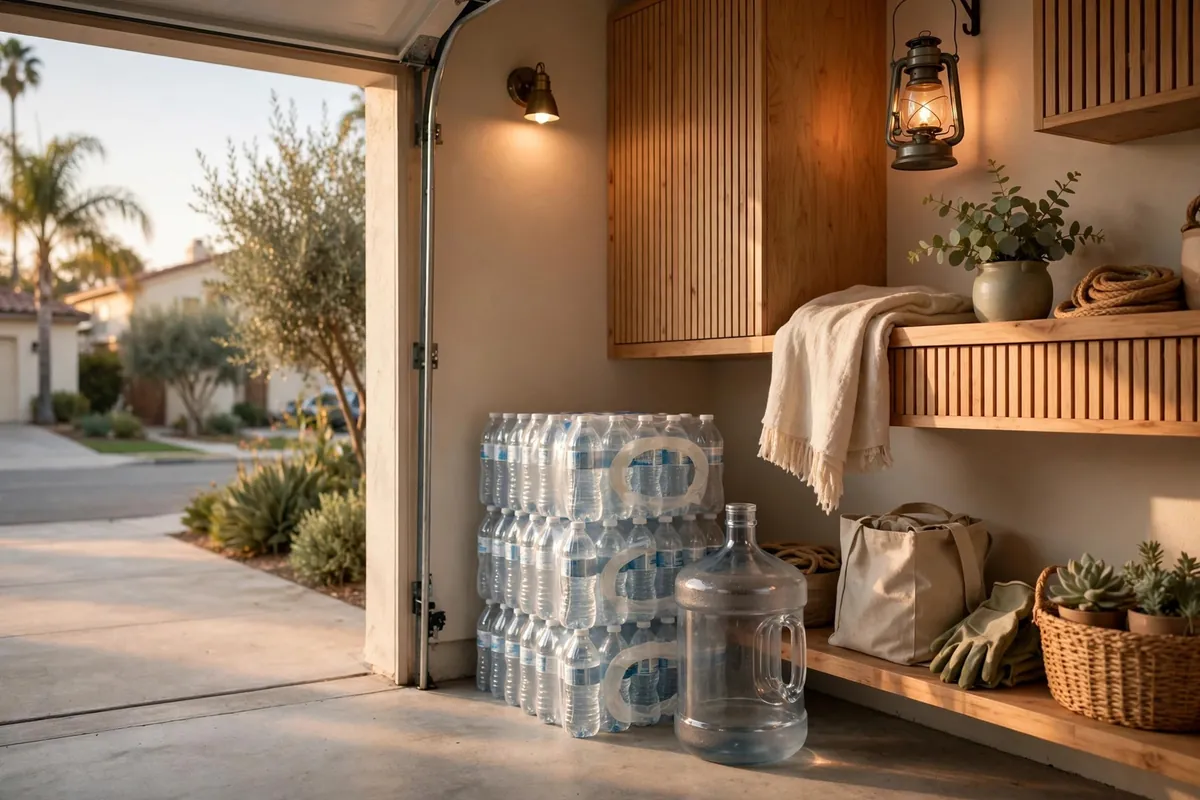
Kit guide
The 72-hour family kit, item by item.
Everything a household needs for three days with no help, and nothing it does not.
Open the guide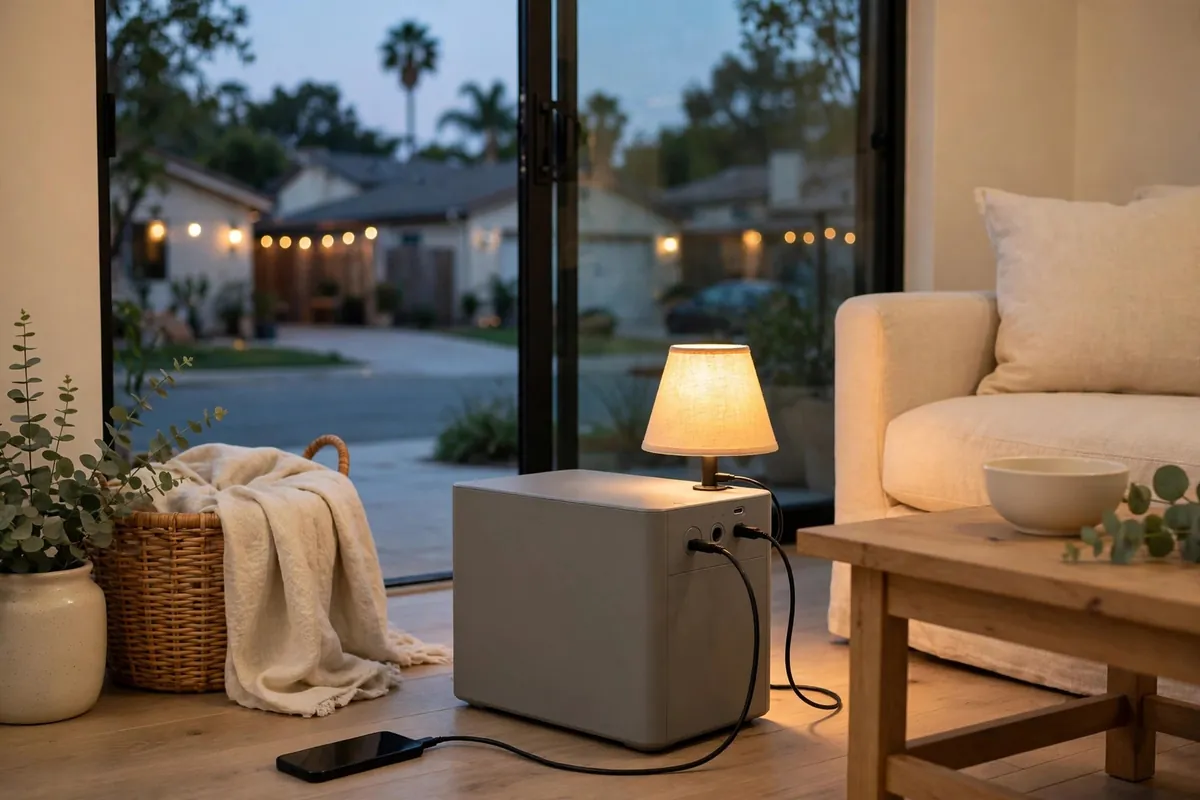
Gear Lab guide
Backup power, ranked by what actually works.
Twelve ways to keep phones, lights and a fridge going, from best to barely.
Open the guide