Home guide
The 20-minute earthquake home check.
Twelve things to fix or find, most of them with a wrench and a free evening.
One page. Read it here, save the image to your phone, or print it for the fridge.
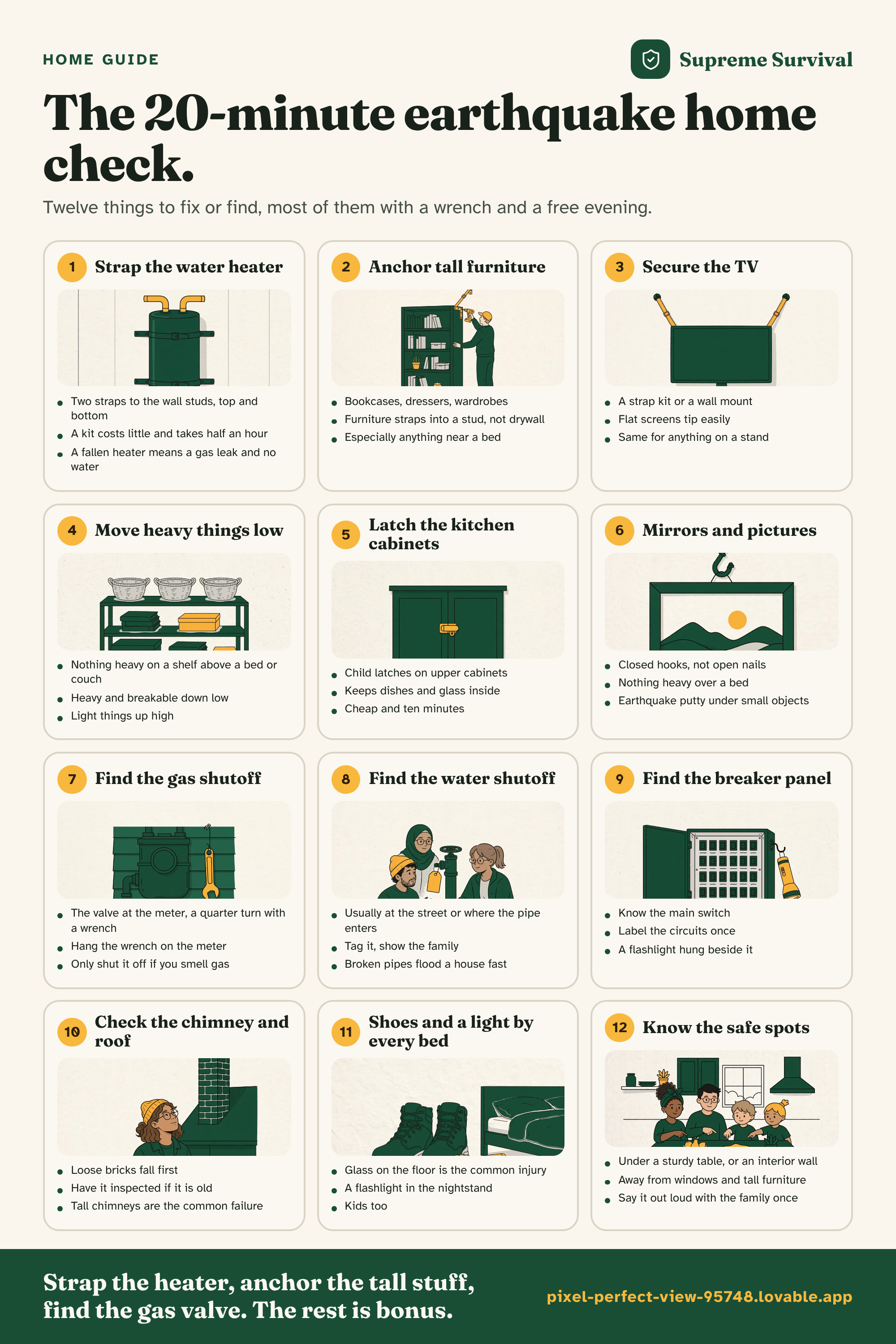
Most earthquake injuries at home come from things falling, not the building failing. Twenty minutes with a screwdriver and a flashlight removes most of that risk. Here are the twelve checks, in the order of what hurts people most.
- 1
Strap the water heater
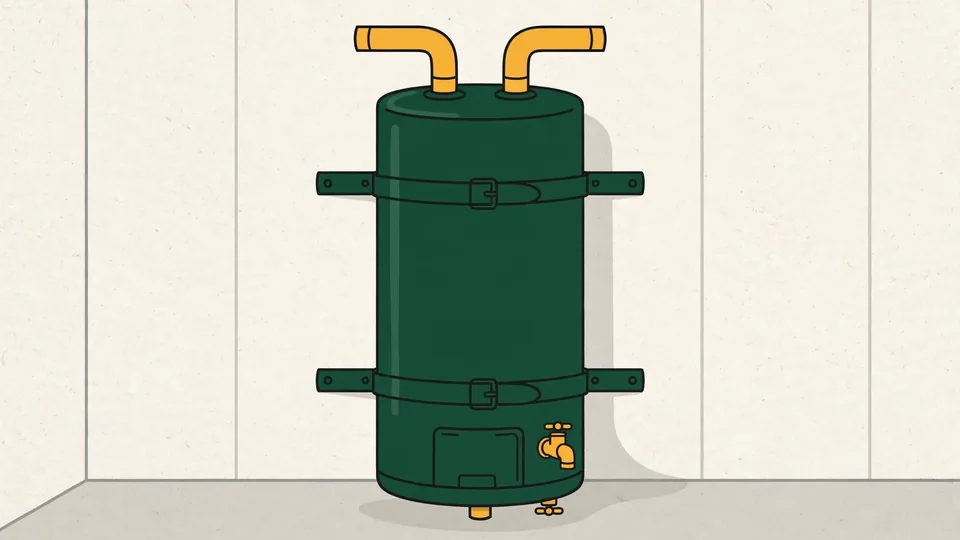
- Two straps to the wall studs, top and bottom
- A kit costs little and takes half an hour
- A fallen heater means a gas leak and no water
- 2
Anchor tall furniture
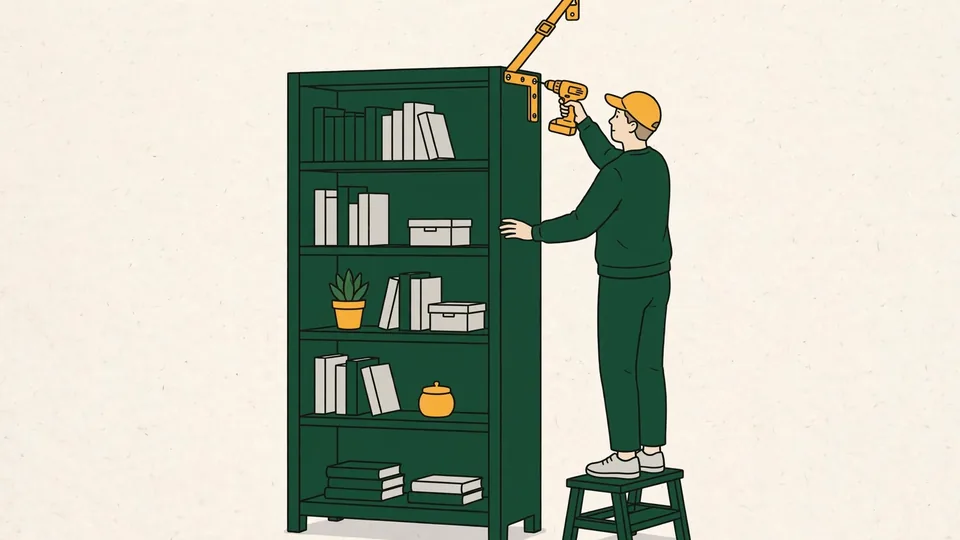
- Bookcases, dressers, wardrobes
- Furniture straps into a stud, not drywall
- Especially anything near a bed
- 3
Secure the TV
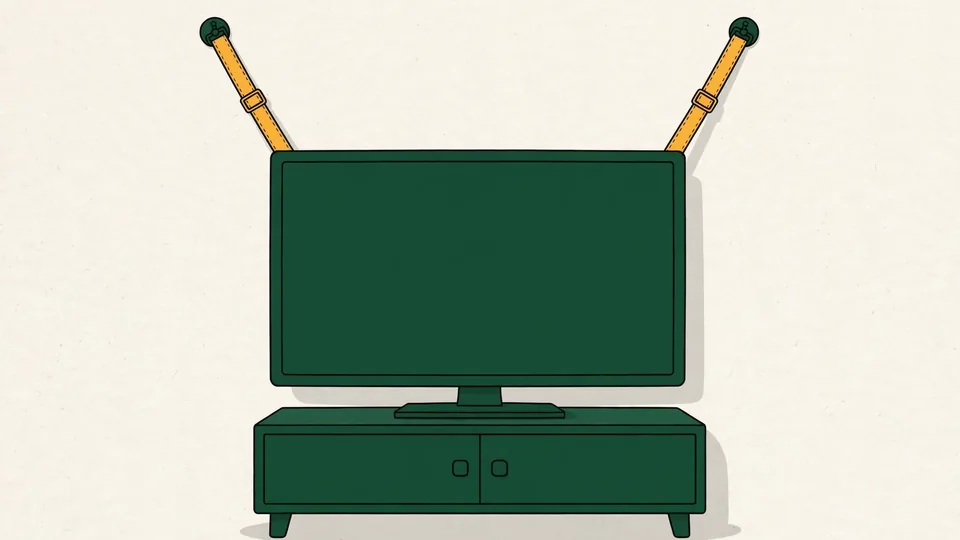
- A strap kit or a wall mount
- Flat screens tip easily
- Same for anything on a stand
- 4
Move heavy things low
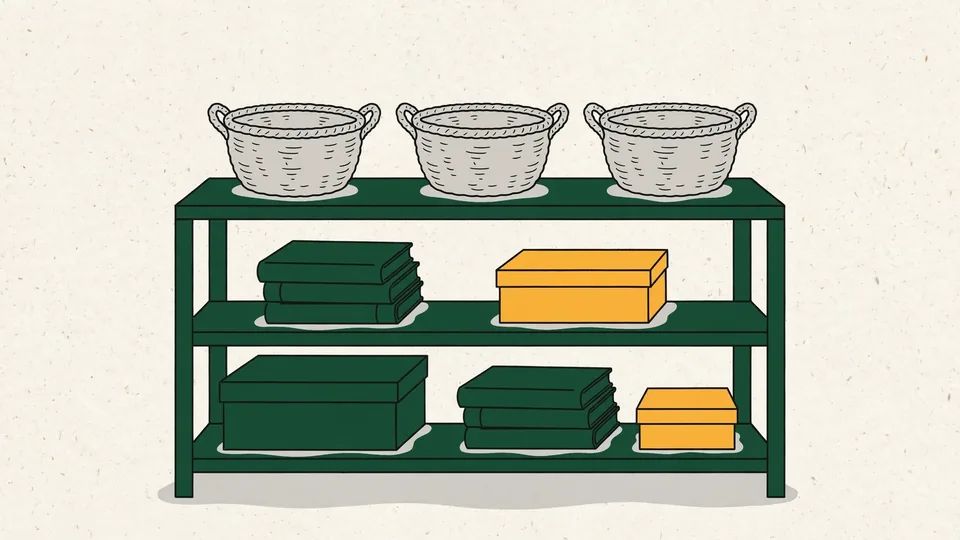
- Nothing heavy on a shelf above a bed or couch
- Heavy and breakable down low
- Light things up high
- 5
Latch the kitchen cabinets
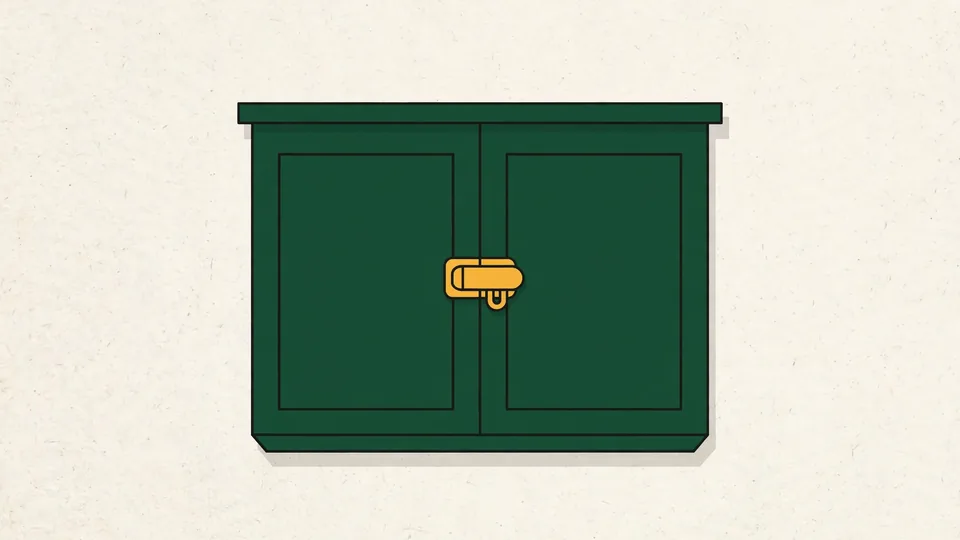
- Child latches on upper cabinets
- Keeps dishes and glass inside
- Cheap and ten minutes
- 6
Mirrors and pictures
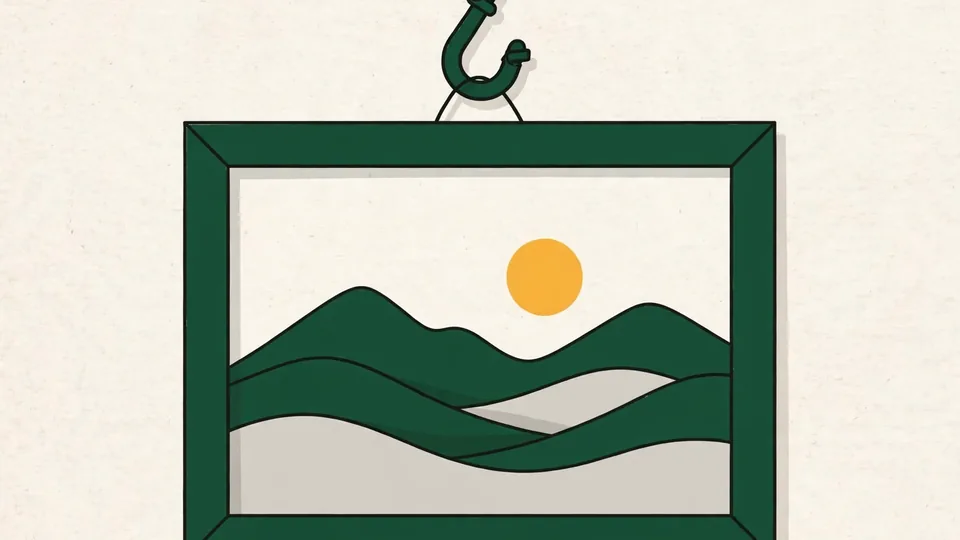
- Closed hooks, not open nails
- Nothing heavy over a bed
- Earthquake putty under small objects
- 7
Find the gas shutoff
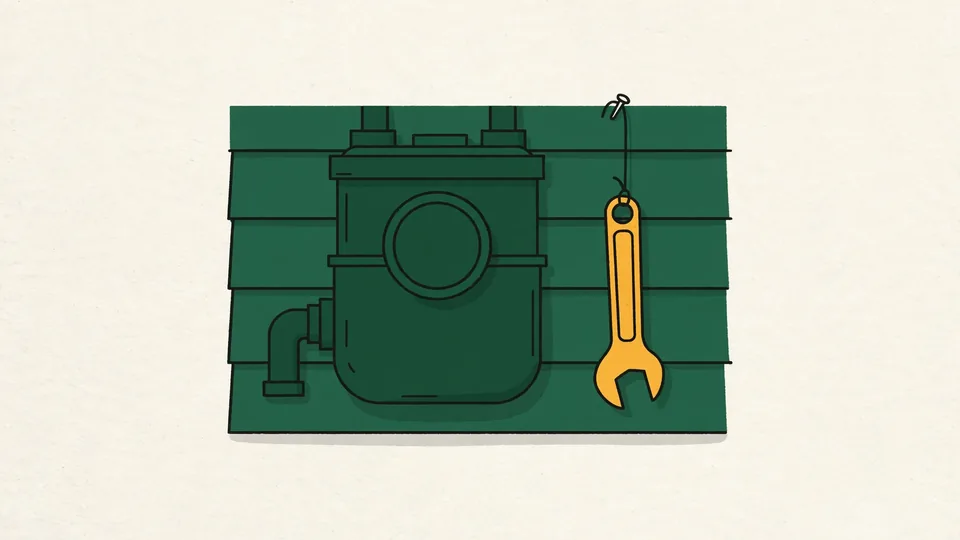
- The valve at the meter, a quarter turn with a wrench
- Hang the wrench on the meter
- Only shut it off if you smell gas
- 8
Find the water shutoff
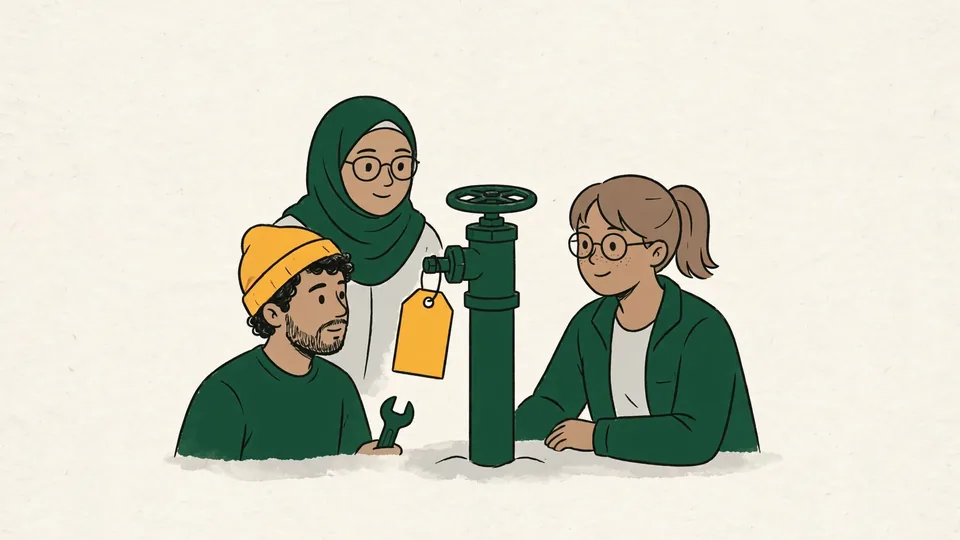
- Usually at the street or where the pipe enters
- Tag it, show the family
- Broken pipes flood a house fast
- 9
Find the breaker panel
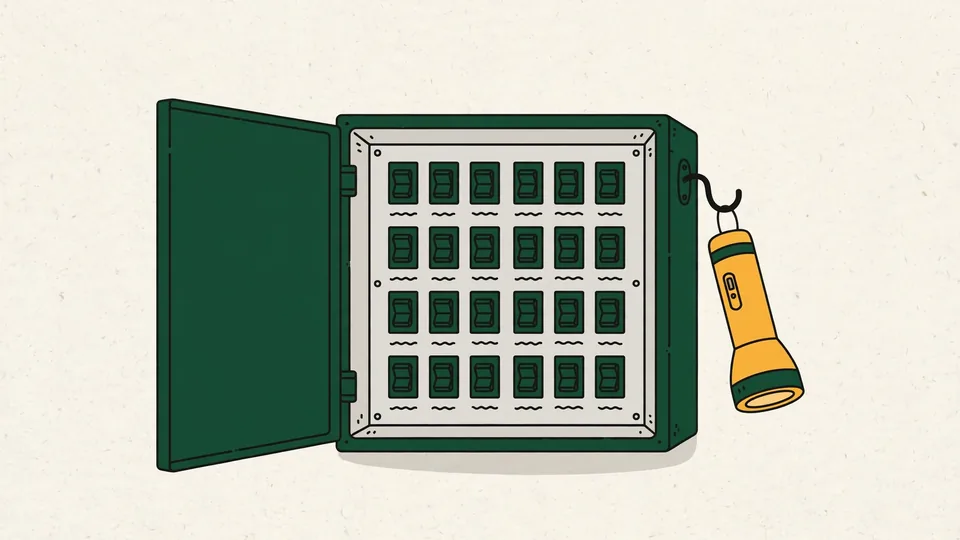
- Know the main switch
- Label the circuits once
- A flashlight hung beside it
- 10
Check the chimney and roof

- Loose bricks fall first
- Have it inspected if it is old
- Tall chimneys are the common failure
- 11
Shoes and a light by every bed
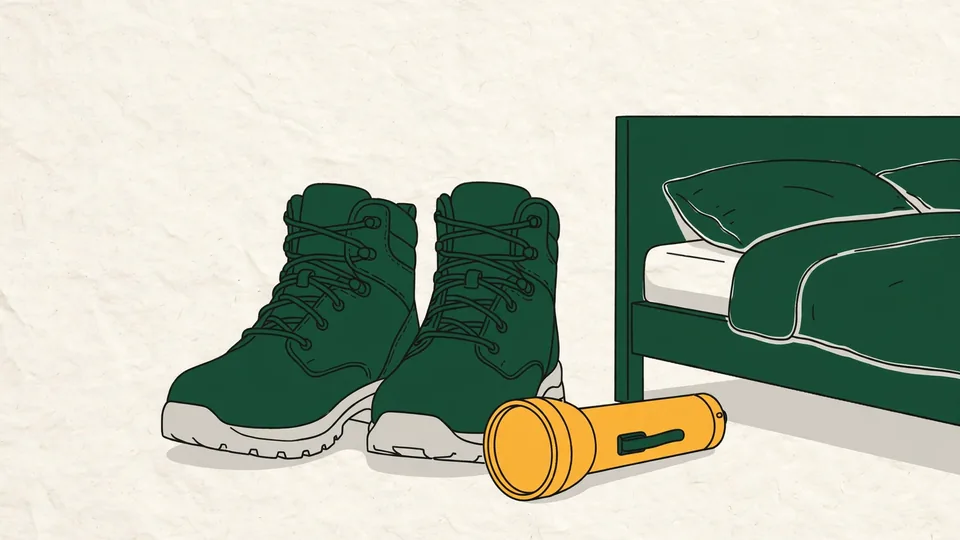
- Glass on the floor is the common injury
- A flashlight in the nightstand
- Kids too
- 12
Know the safe spots
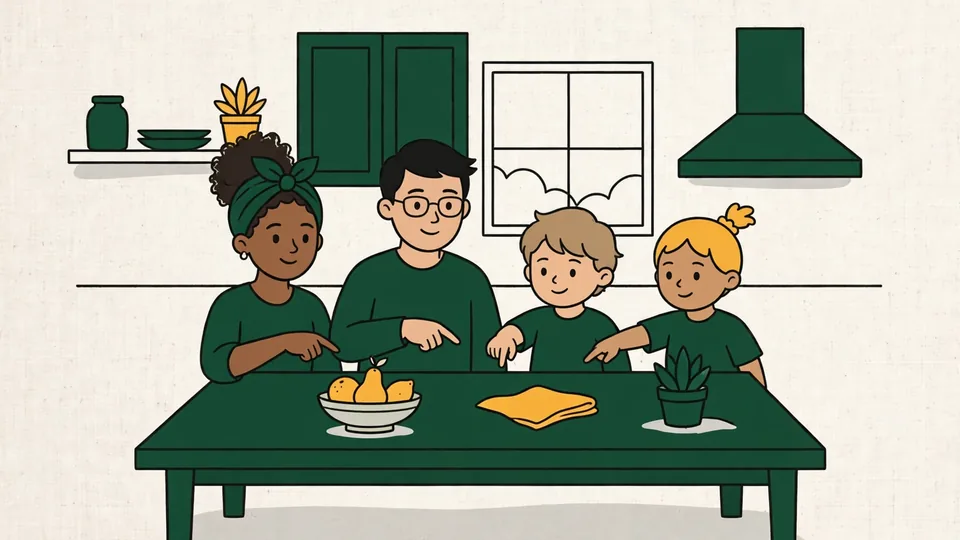
- Under a sturdy table, or an interior wall
- Away from windows and tall furniture
- Say it out loud with the family once
Strap the heater, anchor the tall stuff, find the gas valve. The rest is bonus.
Get the free 72-Hour Readiness Plan
More guides
Kit guide
The 72-hour family kit, item by item.
Everything a household needs for three days with no help, and nothing it does not.
Open the guide
Home guide
A week without power.
How a normal household eats, stays clean, keeps cool or warm, and sleeps when the grid is gone for days.
Open the guide
Gear Lab guide
Backup power, ranked by what actually works.
Twelve ways to keep phones, lights and a fridge going, from best to barely.
Open the guide