Kit guide
The home kit, in buying order.
Twelve purchases from first to last, so the first twenty-five dollars does the most good.
One page. Read it here, save the image to your phone, or print it for the fridge.
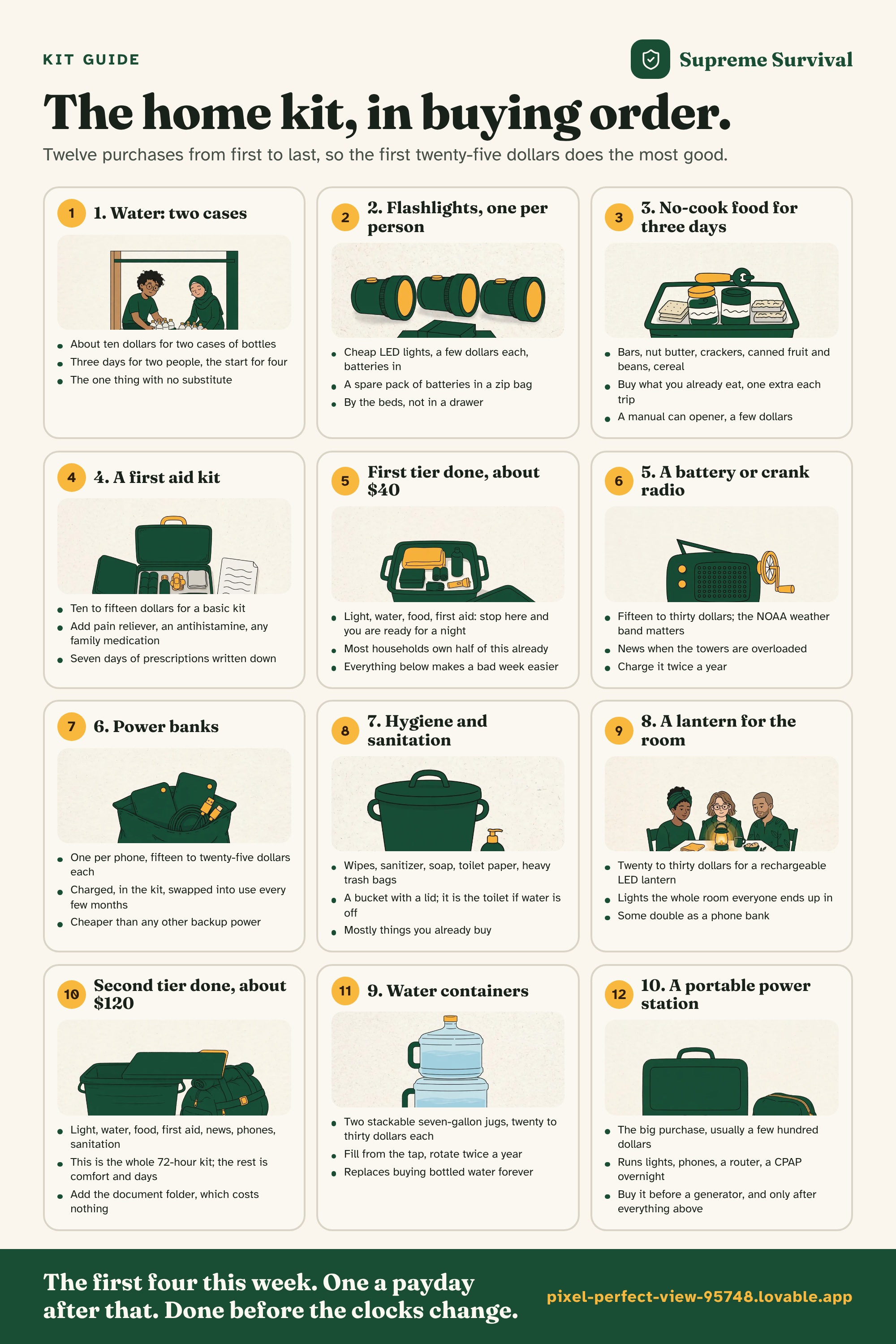
Readiness gear gets expensive the moment someone tells you to buy it all at once. This is the home kit as a sequence instead: cheapest and most important first, the pricier things last, and a line under each tier so you can stop and still be better off than you were. Prices are typical big-box ranges, not promises.
- 1
1. Water: two cases
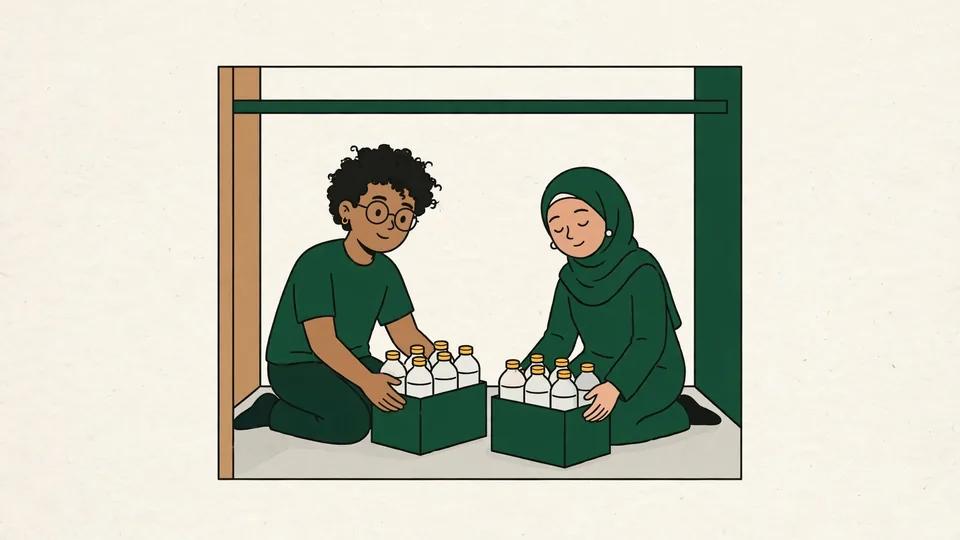
- About ten dollars for two cases of bottles
- Three days for two people, the start for four
- The one thing with no substitute
- 2
2. Flashlights, one per person
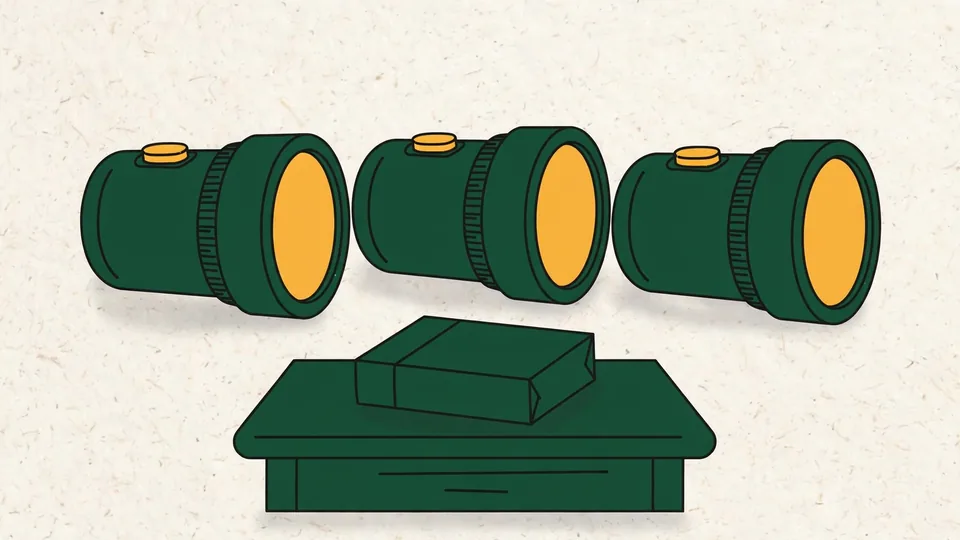
- Cheap LED lights, a few dollars each, batteries in
- A spare pack of batteries in a zip bag
- By the beds, not in a drawer
- 3
3. No-cook food for three days
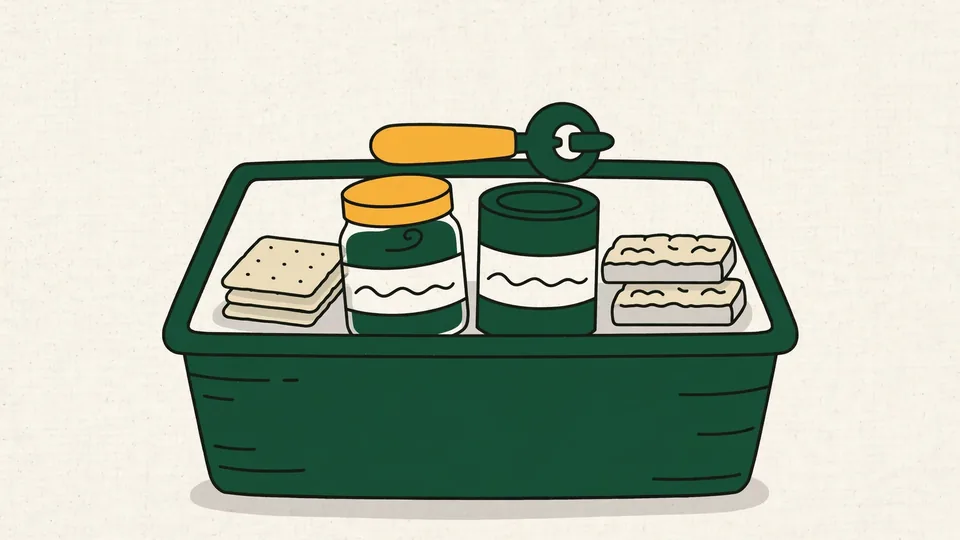
- Bars, nut butter, crackers, canned fruit and beans, cereal
- Buy what you already eat, one extra each trip
- A manual can opener, a few dollars
- 4
4. A first aid kit
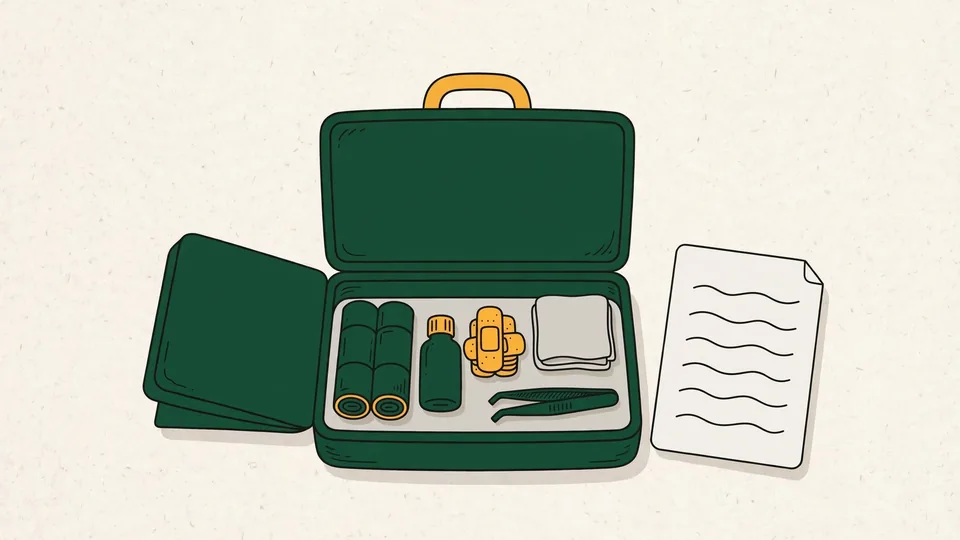
- Ten to fifteen dollars for a basic kit
- Add pain reliever, an antihistamine, any family medication
- Seven days of prescriptions written down
- 5
First tier done, about $40
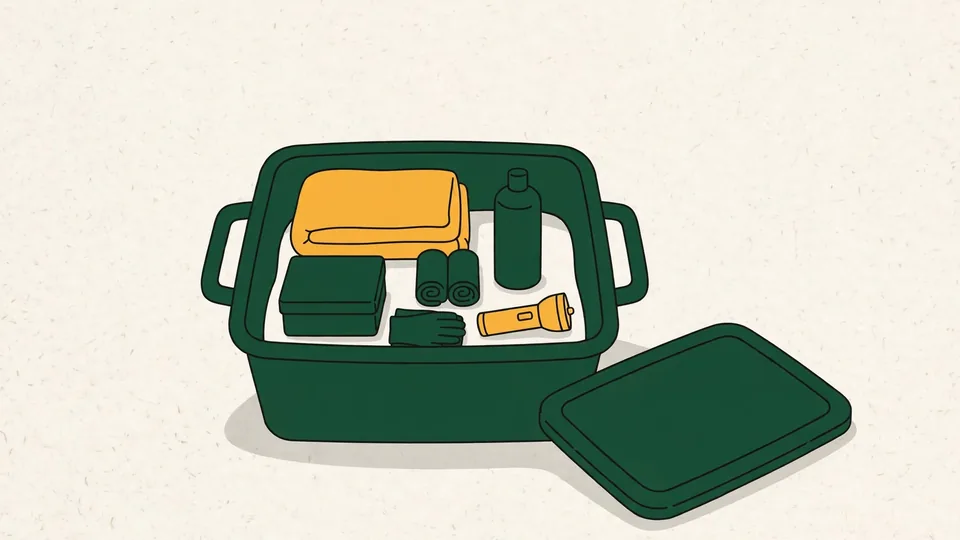
- Light, water, food, first aid: stop here and you are ready for a night
- Most households own half of this already
- Everything below makes a bad week easier
- 6
5. A battery or crank radio
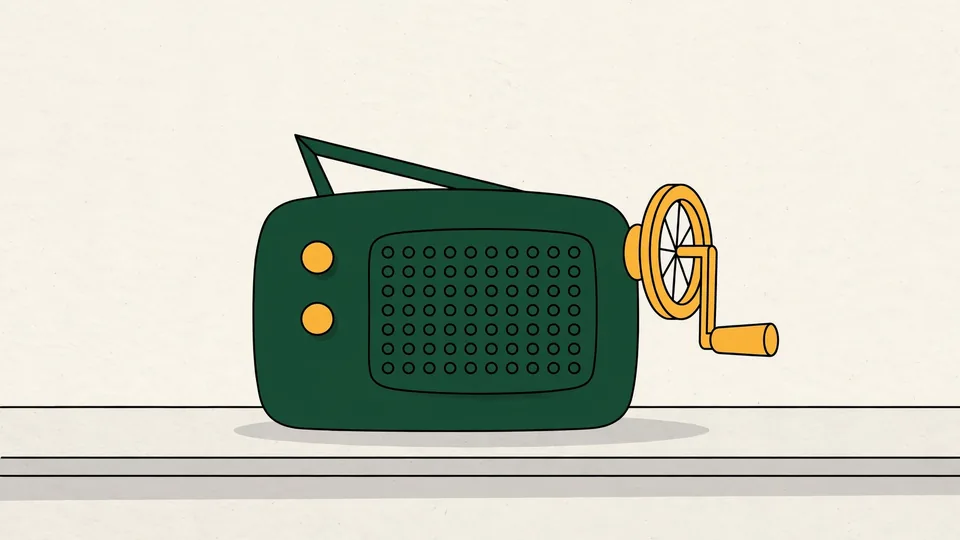
- Fifteen to thirty dollars; the NOAA weather band matters
- News when the towers are overloaded
- Charge it twice a year
- 7
6. Power banks
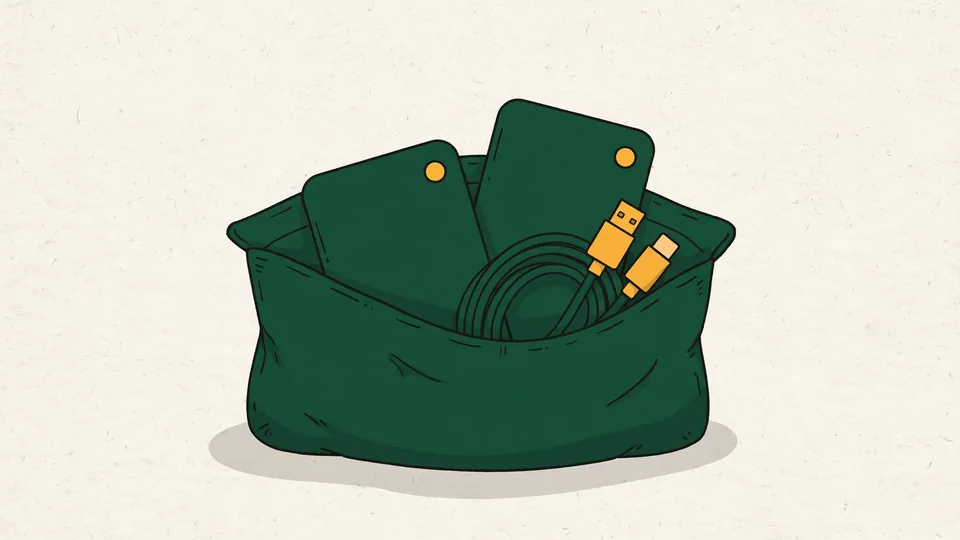
- One per phone, fifteen to twenty-five dollars each
- Charged, in the kit, swapped into use every few months
- Cheaper than any other backup power
- 8
7. Hygiene and sanitation
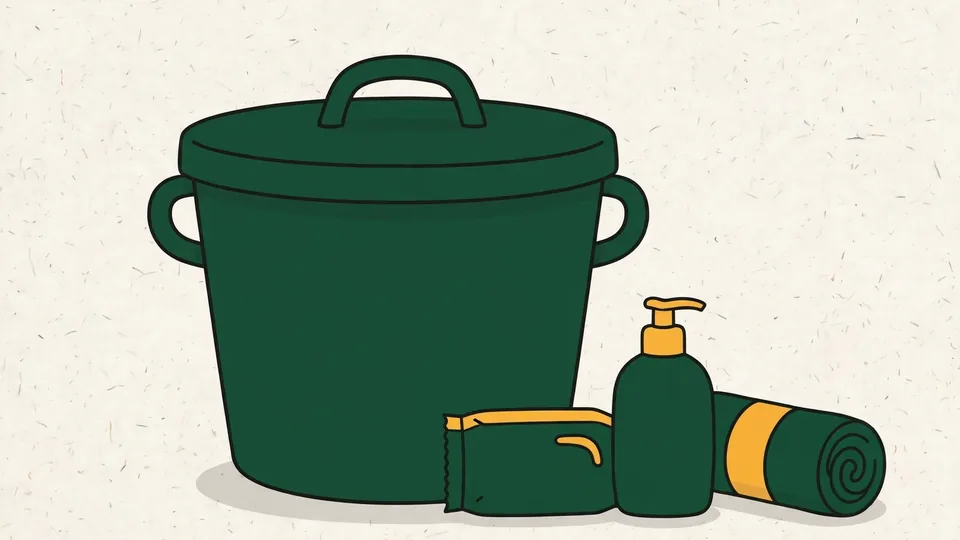
- Wipes, sanitizer, soap, toilet paper, heavy trash bags
- A bucket with a lid; it is the toilet if water is off
- Mostly things you already buy
- 9
8. A lantern for the room
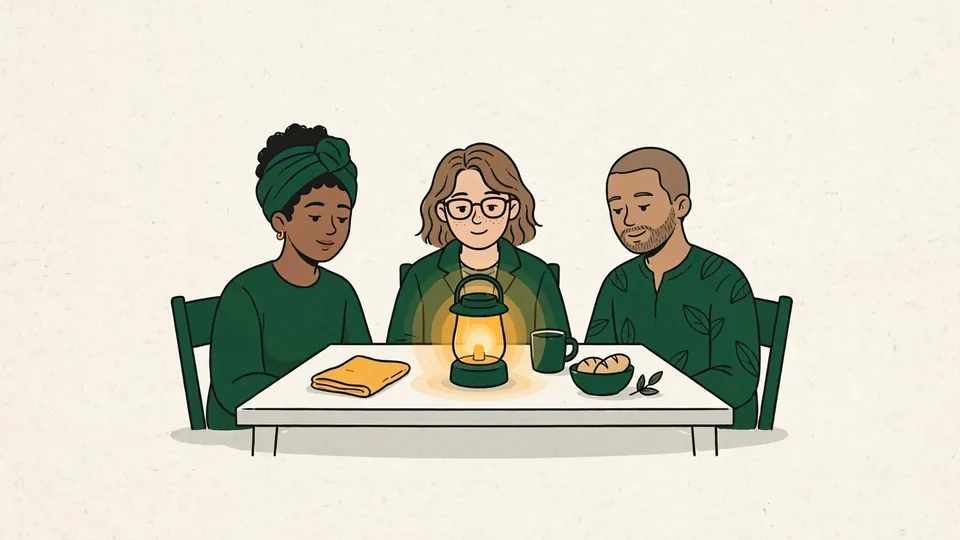
- Twenty to thirty dollars for a rechargeable LED lantern
- Lights the whole room everyone ends up in
- Some double as a phone bank
- 10
Second tier done, about $120
- Light, water, food, first aid, news, phones, sanitation
- This is the whole 72-hour kit; the rest is comfort and days
- Add the document folder, which costs nothing
- 11
9. Water containers
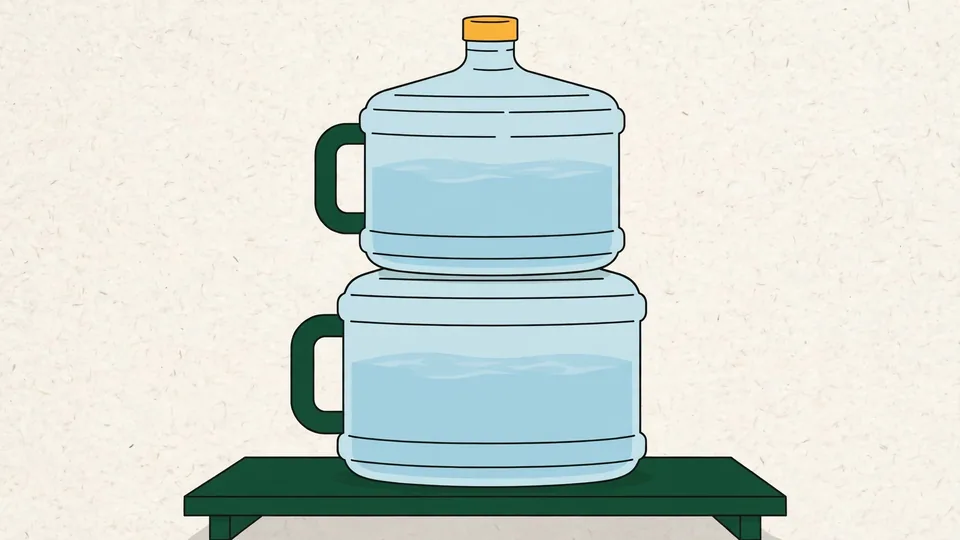
- Two stackable seven-gallon jugs, twenty to thirty dollars each
- Fill from the tap, rotate twice a year
- Replaces buying bottled water forever
- 12
10. A portable power station
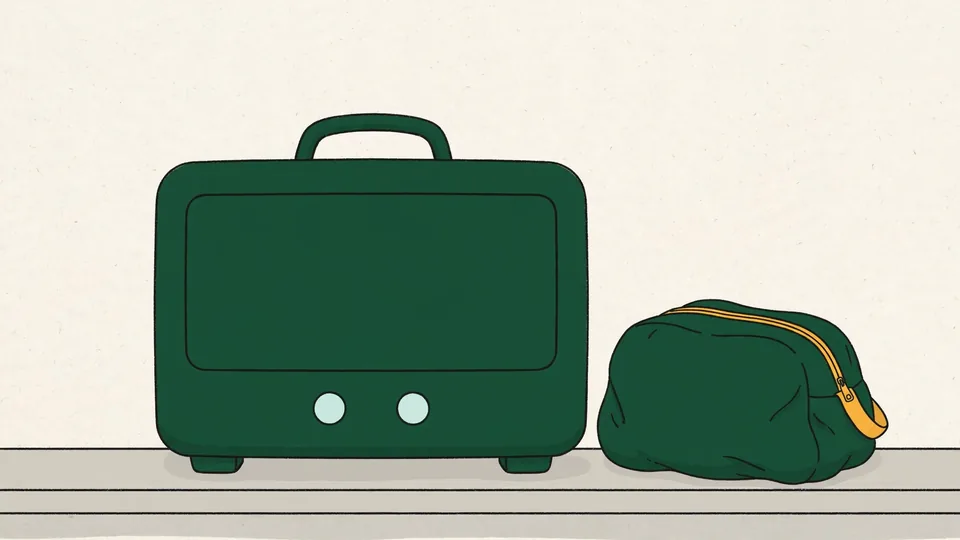
- The big purchase, usually a few hundred dollars
- Runs lights, phones, a router, a CPAP overnight
- Buy it before a generator, and only after everything above
The first four this week. One a payday after that. Done before the clocks change.
Get the free 72-Hour Readiness Plan
More guides
Kit guide
The 72-hour family kit, item by item.
Everything a household needs for three days with no help, and nothing it does not.
Open the guide
Home guide
A week without power.
How a normal household eats, stays clean, keeps cool or warm, and sleeps when the grid is gone for days.
Open the guide
Gear Lab guide
Backup power, ranked by what actually works.
Twelve ways to keep phones, lights and a fridge going, from best to barely.
Open the guide