Home guide
Power for medical devices when the lights go out.
CPAP, oxygen, refrigerated medicine, a power chair: what keeps running, and who to call before the shutoff.
One page. Read it here, save the image to your phone, or print it for the fridge.
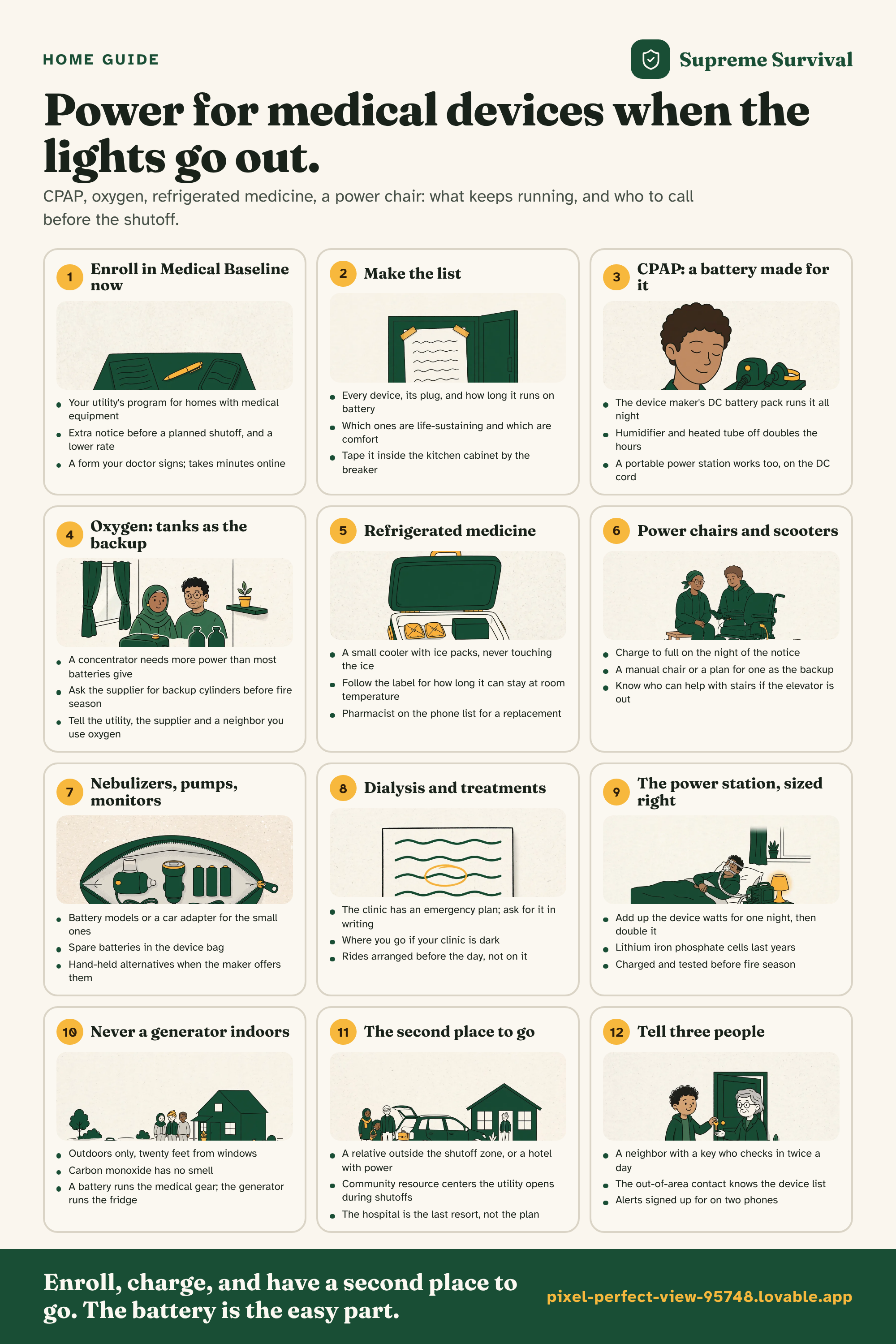
A planned shutoff or a long outage is a different problem when someone in the house sleeps on a CPAP, uses oxygen, keeps insulin in the fridge or charges a wheelchair. None of it is unsolvable, but most of it has to be set up before the notice comes. Here are the twelve things that matter, in order.
- 1
Enroll in Medical Baseline now
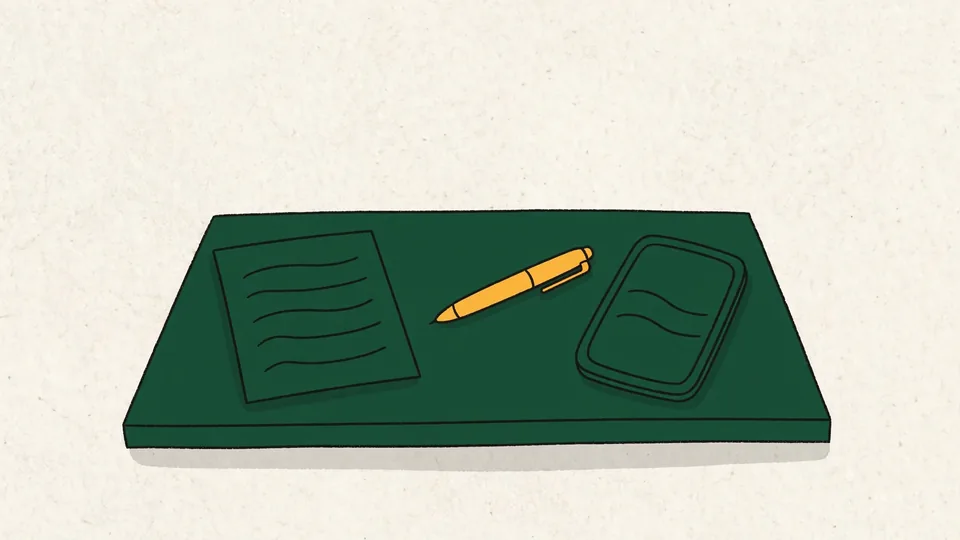
- Your utility's program for homes with medical equipment
- Extra notice before a planned shutoff, and a lower rate
- A form your doctor signs; takes minutes online
- 2
Make the list

- Every device, its plug, and how long it runs on battery
- Which ones are life-sustaining and which are comfort
- Tape it inside the kitchen cabinet by the breaker
- 3
CPAP: a battery made for it
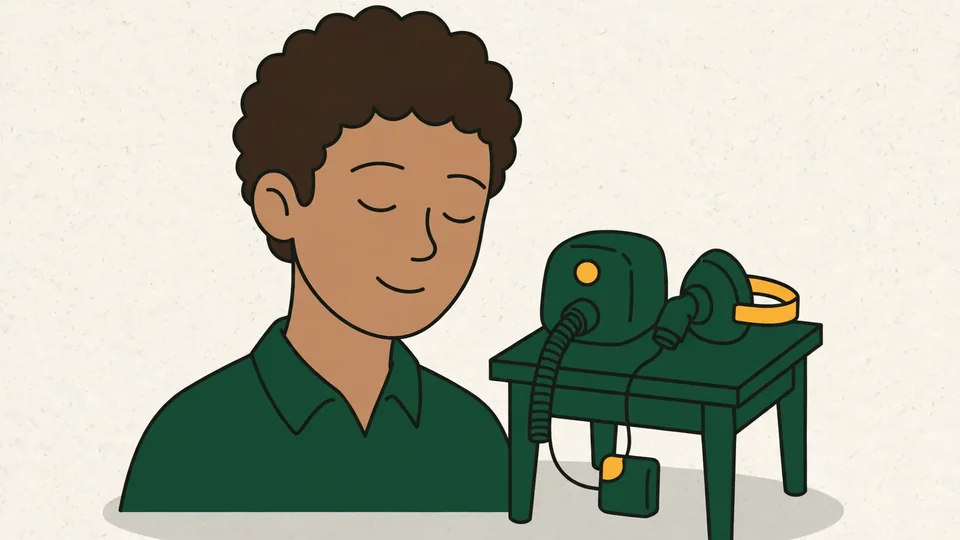
- The device maker's DC battery pack runs it all night
- Humidifier and heated tube off doubles the hours
- A portable power station works too, on the DC cord
- 4
Oxygen: tanks as the backup
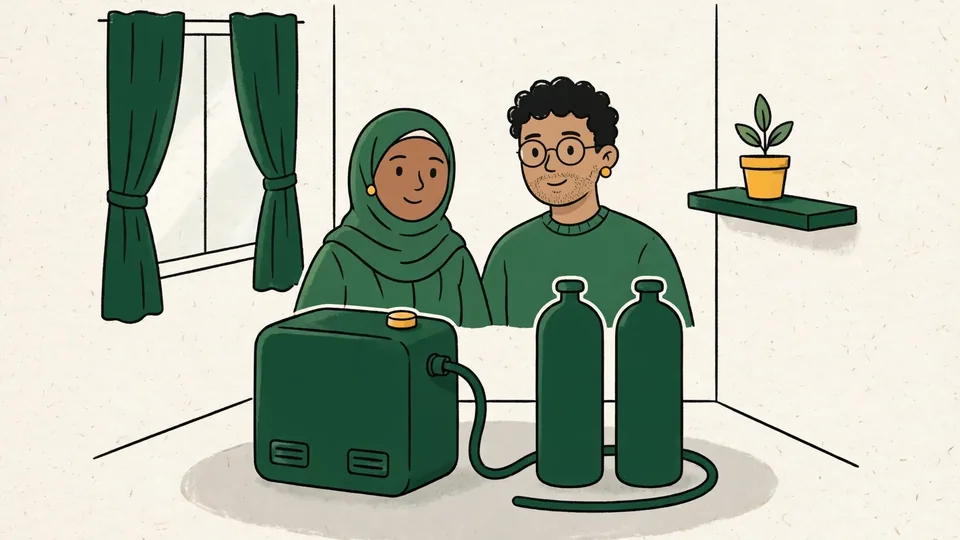
- A concentrator needs more power than most batteries give
- Ask the supplier for backup cylinders before fire season
- Tell the utility, the supplier and a neighbor you use oxygen
- 5
Refrigerated medicine

- A small cooler with ice packs, never touching the ice
- Follow the label for how long it can stay at room temperature
- Pharmacist on the phone list for a replacement
- 6
Power chairs and scooters
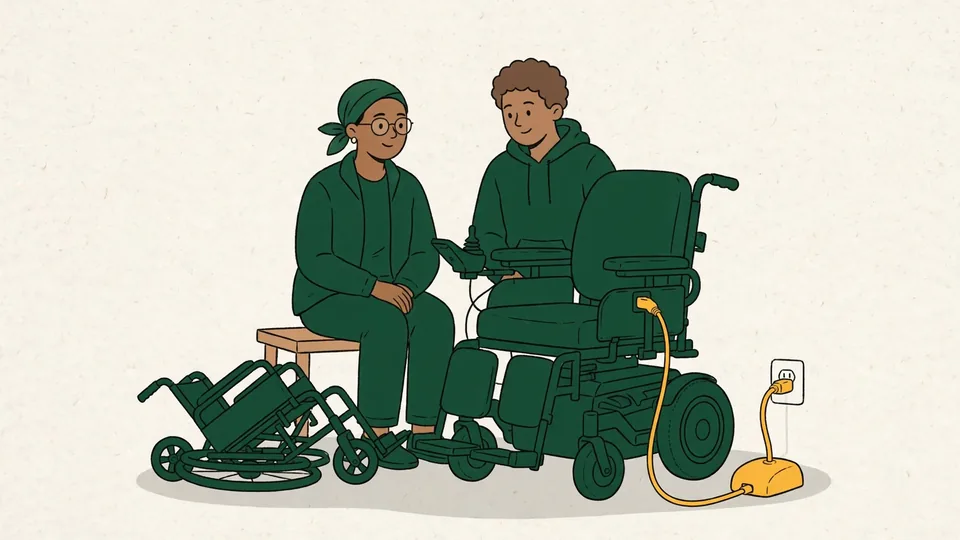
- Charge to full on the night of the notice
- A manual chair or a plan for one as the backup
- Know who can help with stairs if the elevator is out
- 7
Nebulizers, pumps, monitors
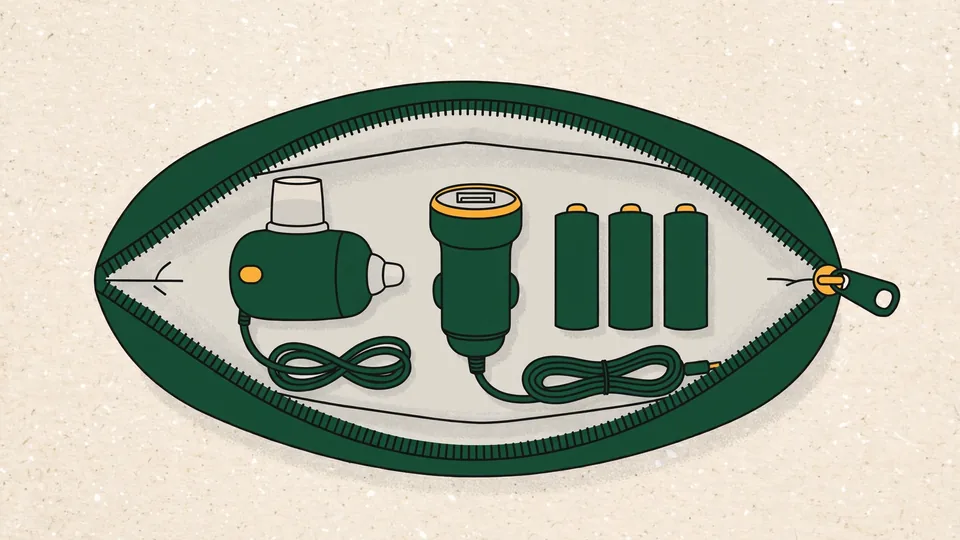
- Battery models or a car adapter for the small ones
- Spare batteries in the device bag
- Hand-held alternatives when the maker offers them
- 8
Dialysis and treatments

- The clinic has an emergency plan; ask for it in writing
- Where you go if your clinic is dark
- Rides arranged before the day, not on it
- 9
The power station, sized right
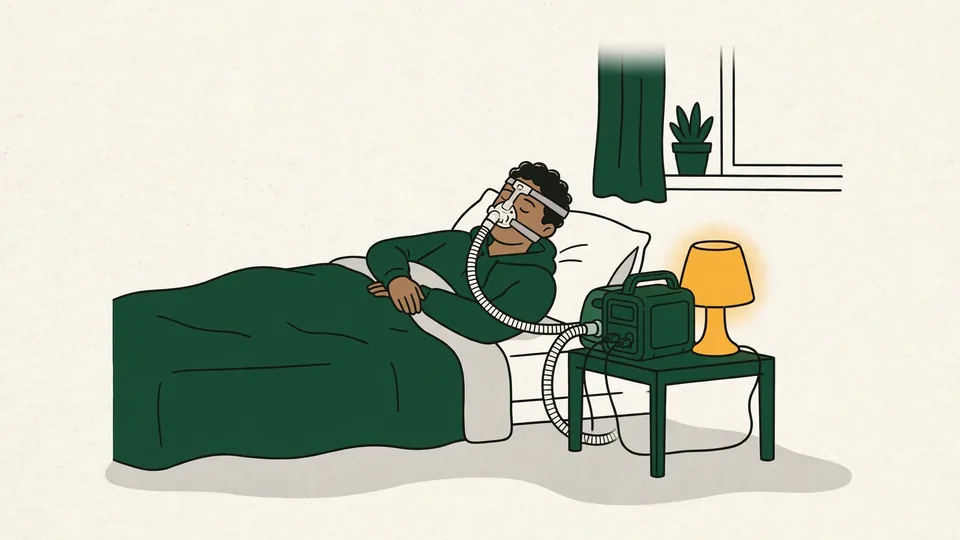
- Add up the device watts for one night, then double it
- Lithium iron phosphate cells last years
- Charged and tested before fire season
- 10
Never a generator indoors
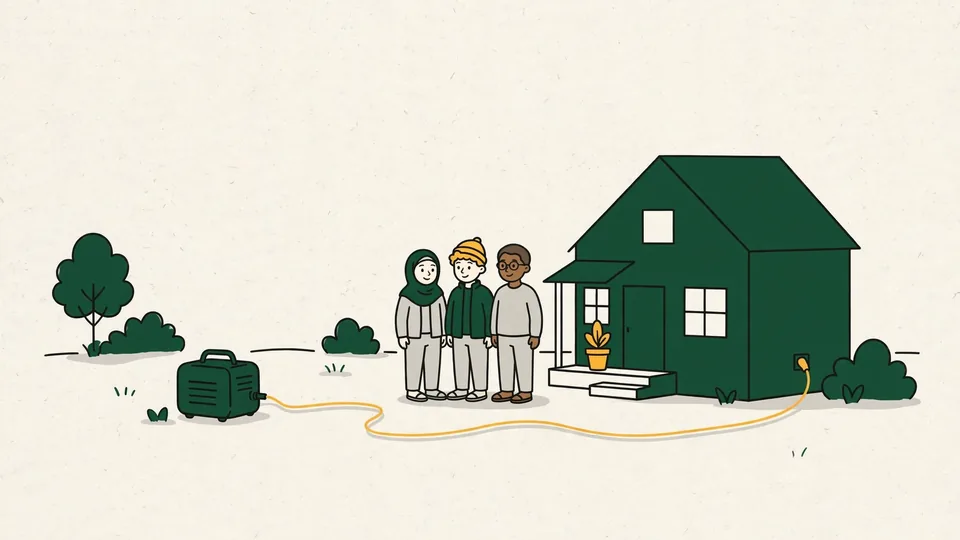
- Outdoors only, twenty feet from windows
- Carbon monoxide has no smell
- A battery runs the medical gear; the generator runs the fridge
- 11
The second place to go
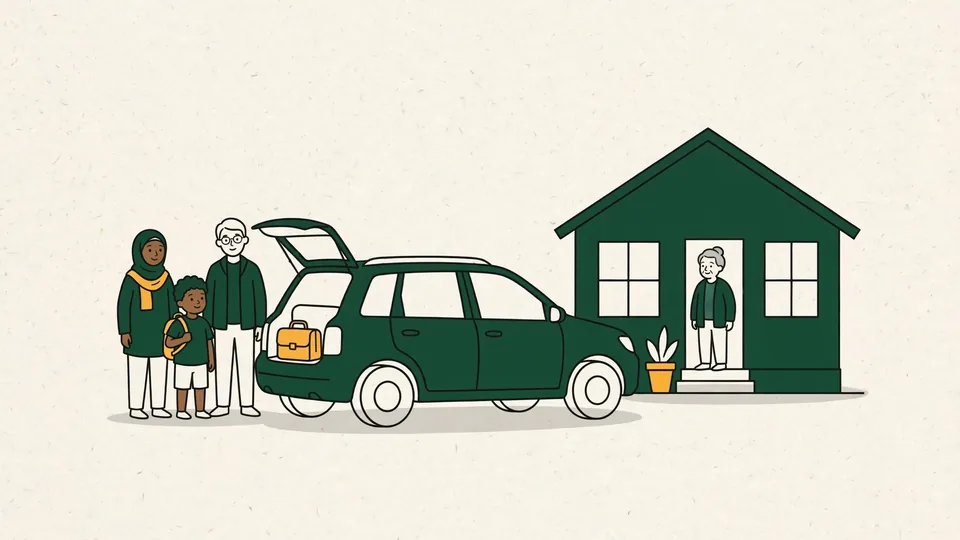
- A relative outside the shutoff zone, or a hotel with power
- Community resource centers the utility opens during shutoffs
- The hospital is the last resort, not the plan
- 12
Tell three people
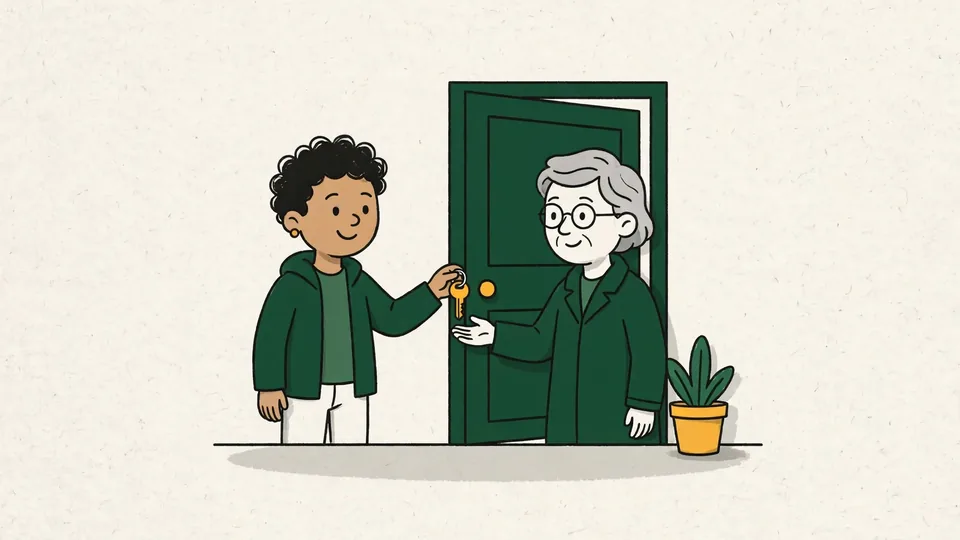
- A neighbor with a key who checks in twice a day
- The out-of-area contact knows the device list
- Alerts signed up for on two phones
Enroll, charge, and have a second place to go. The battery is the easy part.
More guides

Kit guide
The 72-hour family kit, item by item.
Everything a household needs for three days with no help, and nothing it does not.
Open the guide
Home guide
A week without power.
How a normal household eats, stays clean, keeps cool or warm, and sleeps when the grid is gone for days.
Open the guide
Gear Lab guide
Backup power, ranked by what actually works.
Twelve ways to keep phones, lights and a fridge going, from best to barely.
Open the guide