Home guide
Twelve ways to make your home safer in an emergency.
The fixes that matter most when the power, the water or the neighborhood is not normal.
One page. Read it here, save the image to your phone, or print it for the fridge.
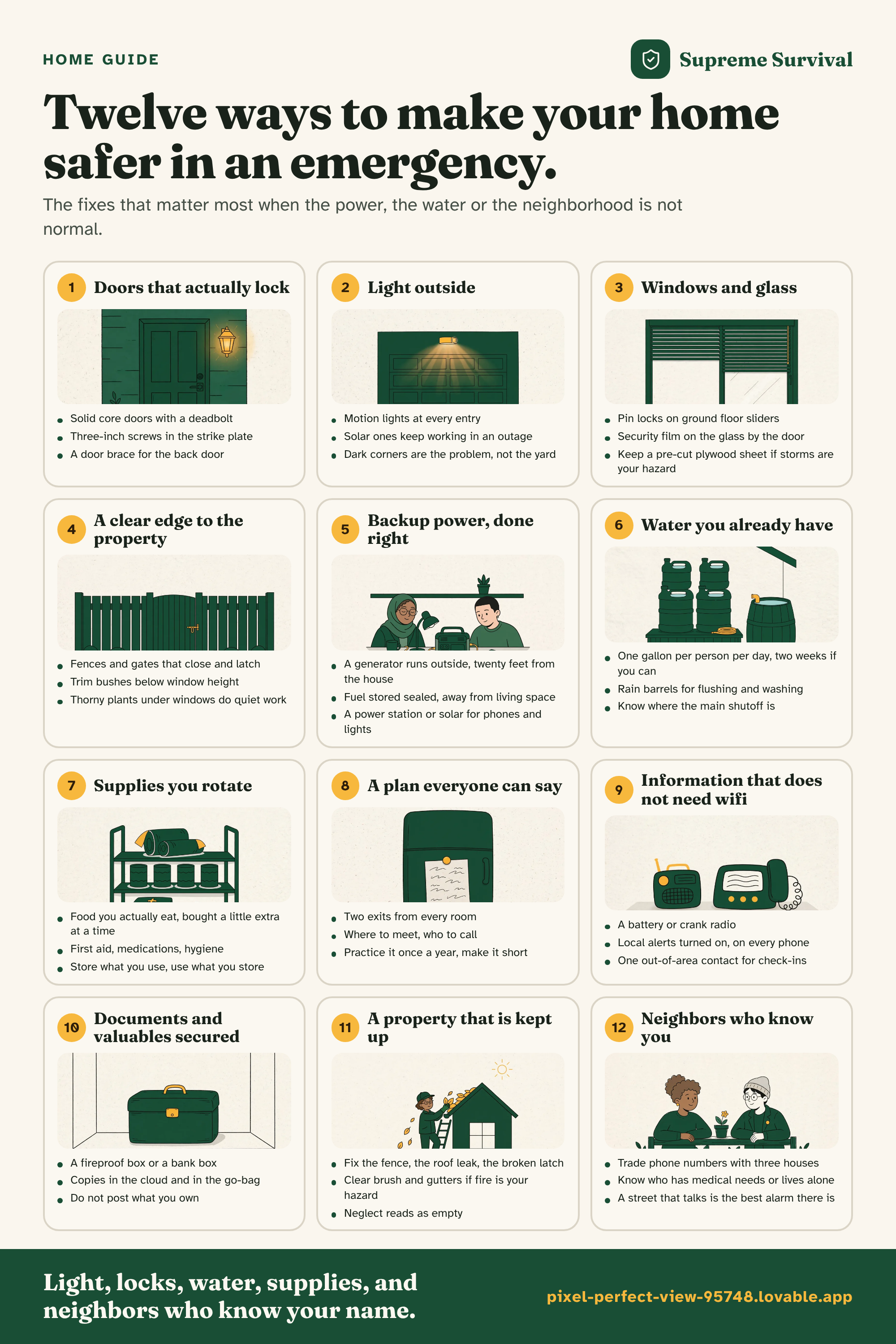
A home does not need to become a fortress to be safe in a bad week. It needs good light, doors that close properly, water on hand, a plan everyone knows, and neighbors who are paying attention. Here are the twelve that matter, in rough order of return.
- 1
Doors that actually lock
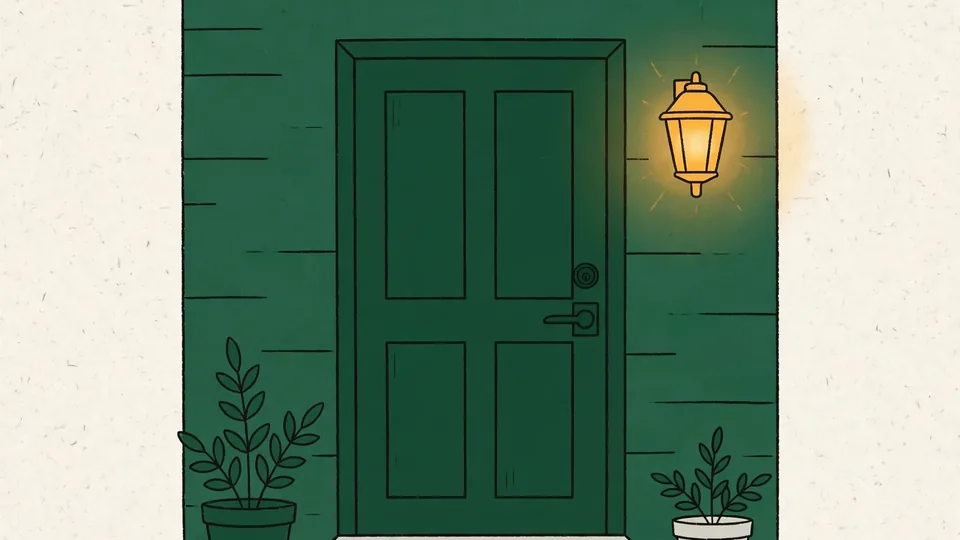
- Solid core doors with a deadbolt
- Three-inch screws in the strike plate
- A door brace for the back door
- 2
Light outside
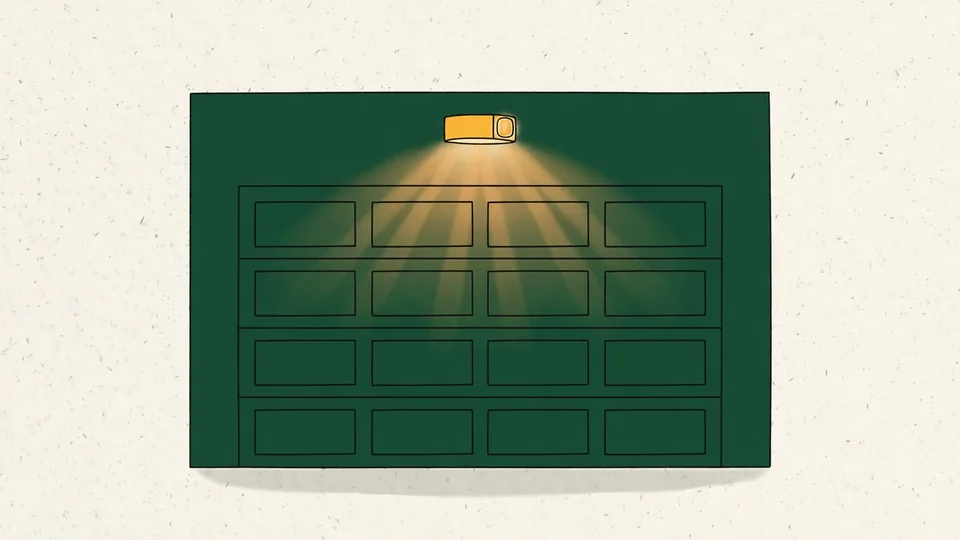
- Motion lights at every entry
- Solar ones keep working in an outage
- Dark corners are the problem, not the yard
- 3
Windows and glass
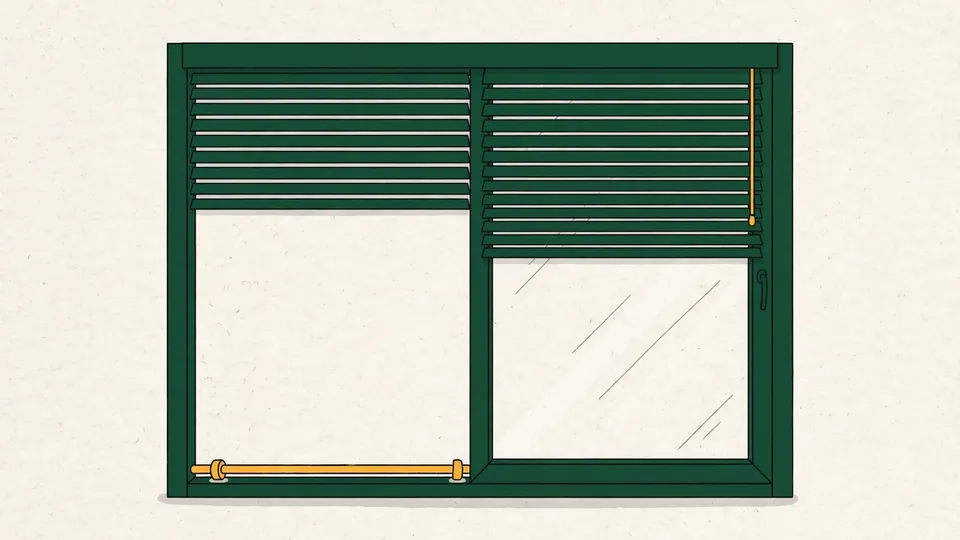
- Pin locks on ground floor sliders
- Security film on the glass by the door
- Keep a pre-cut plywood sheet if storms are your hazard
- 4
A clear edge to the property
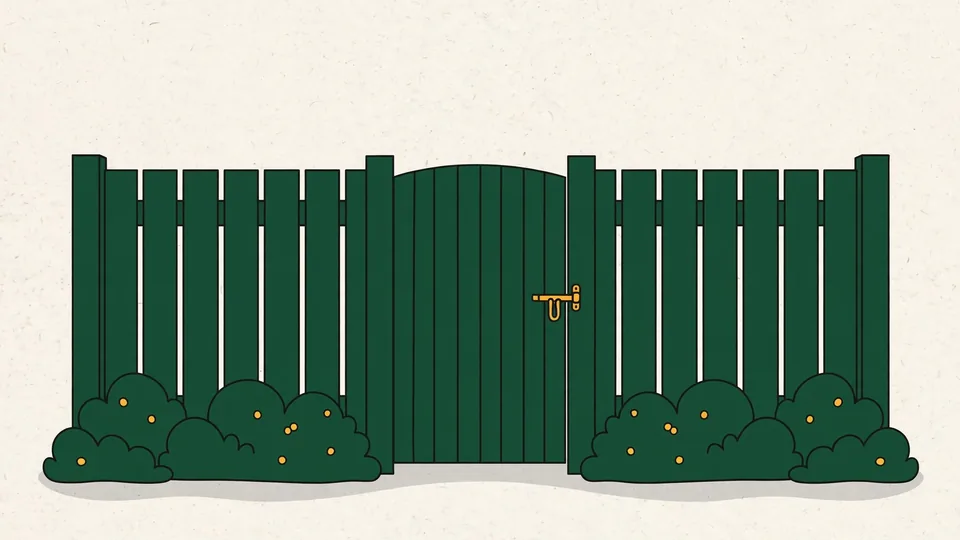
- Fences and gates that close and latch
- Trim bushes below window height
- Thorny plants under windows do quiet work
- 5
Backup power, done right
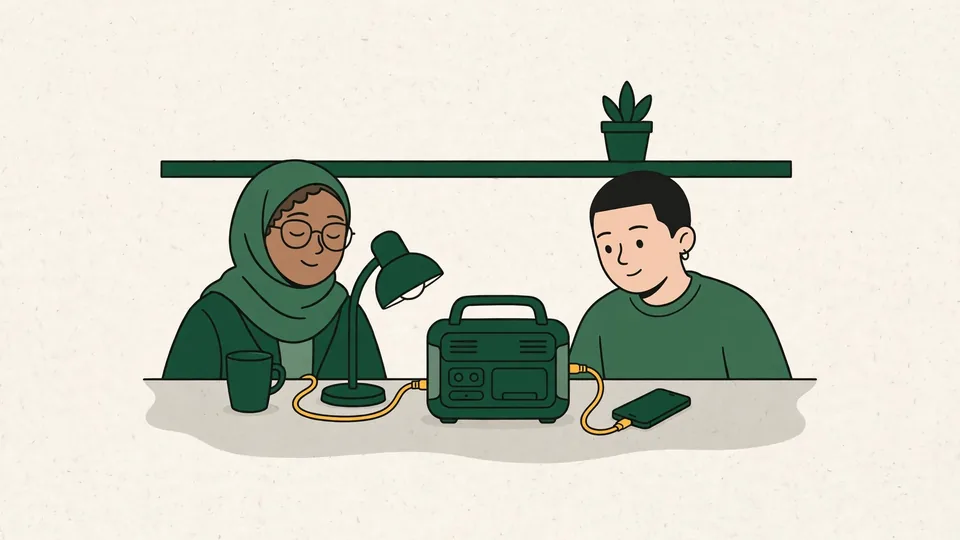
- A generator runs outside, twenty feet from the house
- Fuel stored sealed, away from living space
- A power station or solar for phones and lights
- 6
Water you already have
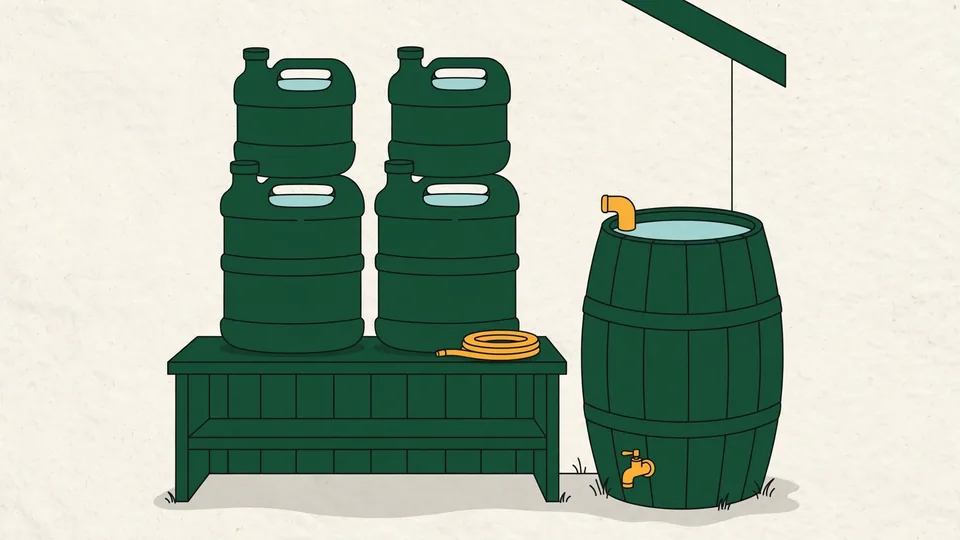
- One gallon per person per day, two weeks if you can
- Rain barrels for flushing and washing
- Know where the main shutoff is
- 7
Supplies you rotate
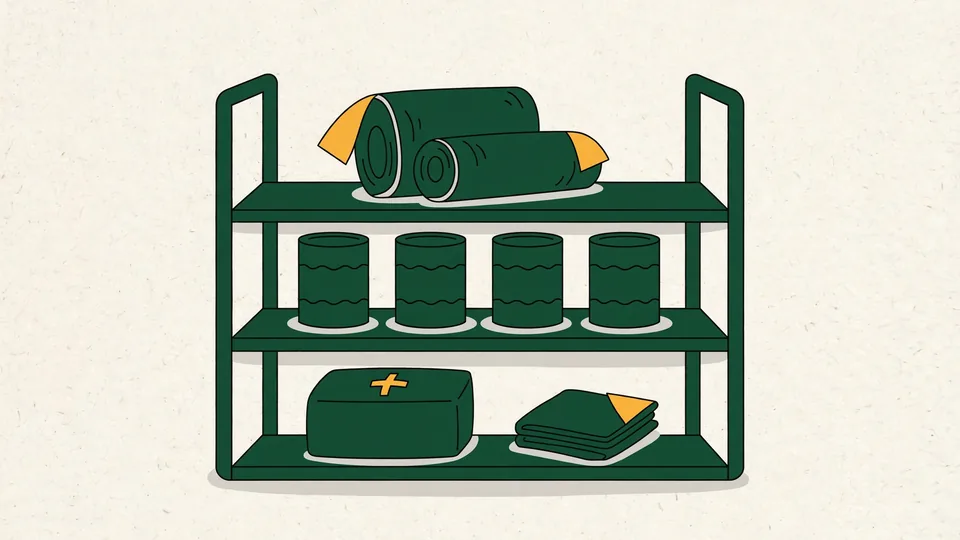
- Food you actually eat, bought a little extra at a time
- First aid, medications, hygiene
- Store what you use, use what you store
- 8
A plan everyone can say
- Two exits from every room
- Where to meet, who to call
- Practice it once a year, make it short
- 9
Information that does not need wifi
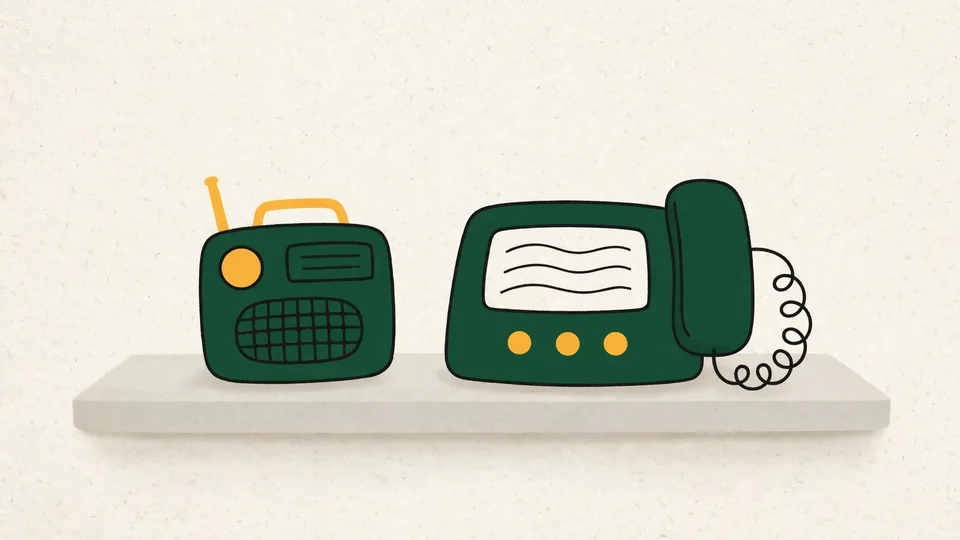
- A battery or crank radio
- Local alerts turned on, on every phone
- One out-of-area contact for check-ins
- 10
Documents and valuables secured
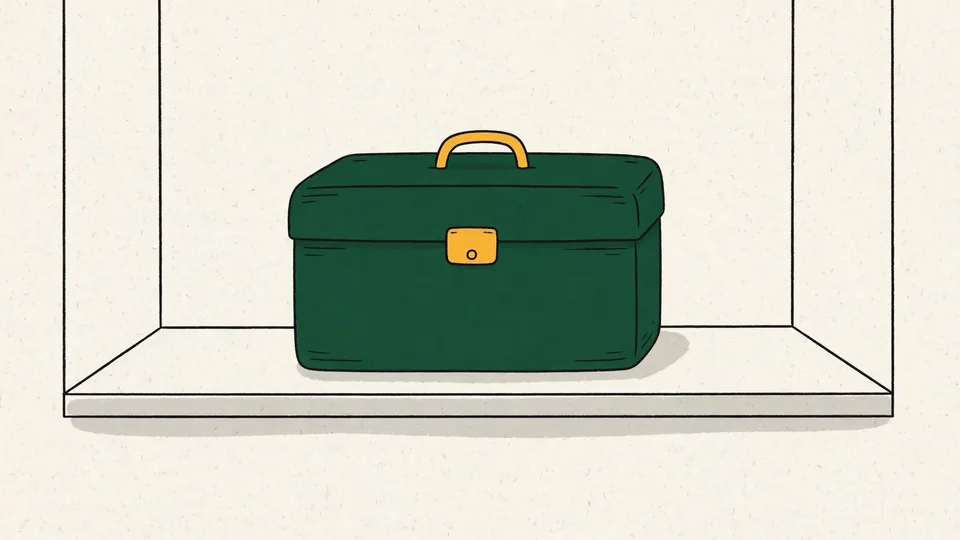
- A fireproof box or a bank box
- Copies in the cloud and in the go-bag
- Do not post what you own
- 11
A property that is kept up
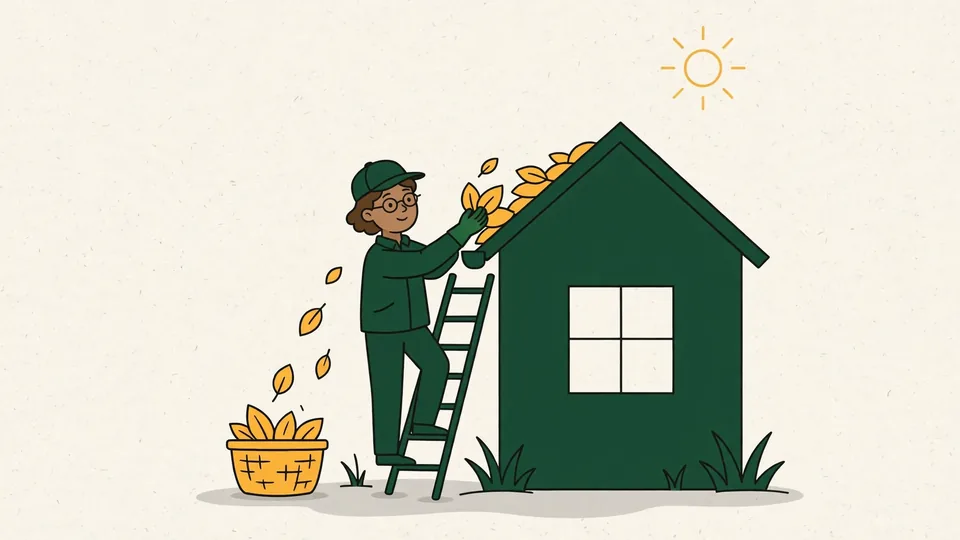
- Fix the fence, the roof leak, the broken latch
- Clear brush and gutters if fire is your hazard
- Neglect reads as empty
- 12
Neighbors who know you
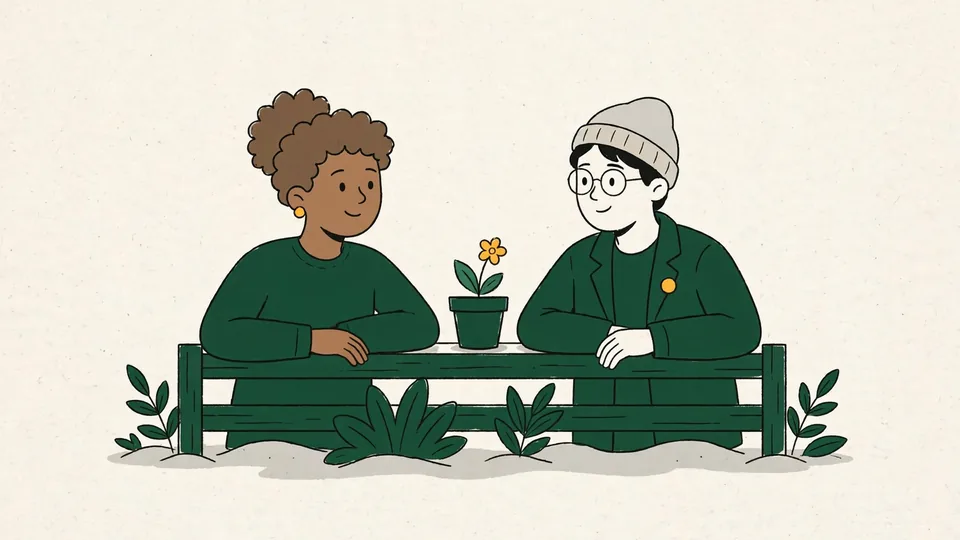
- Trade phone numbers with three houses
- Know who has medical needs or lives alone
- A street that talks is the best alarm there is
Light, locks, water, supplies, and neighbors who know your name.
Get the free 72-Hour Readiness Plan
More guides
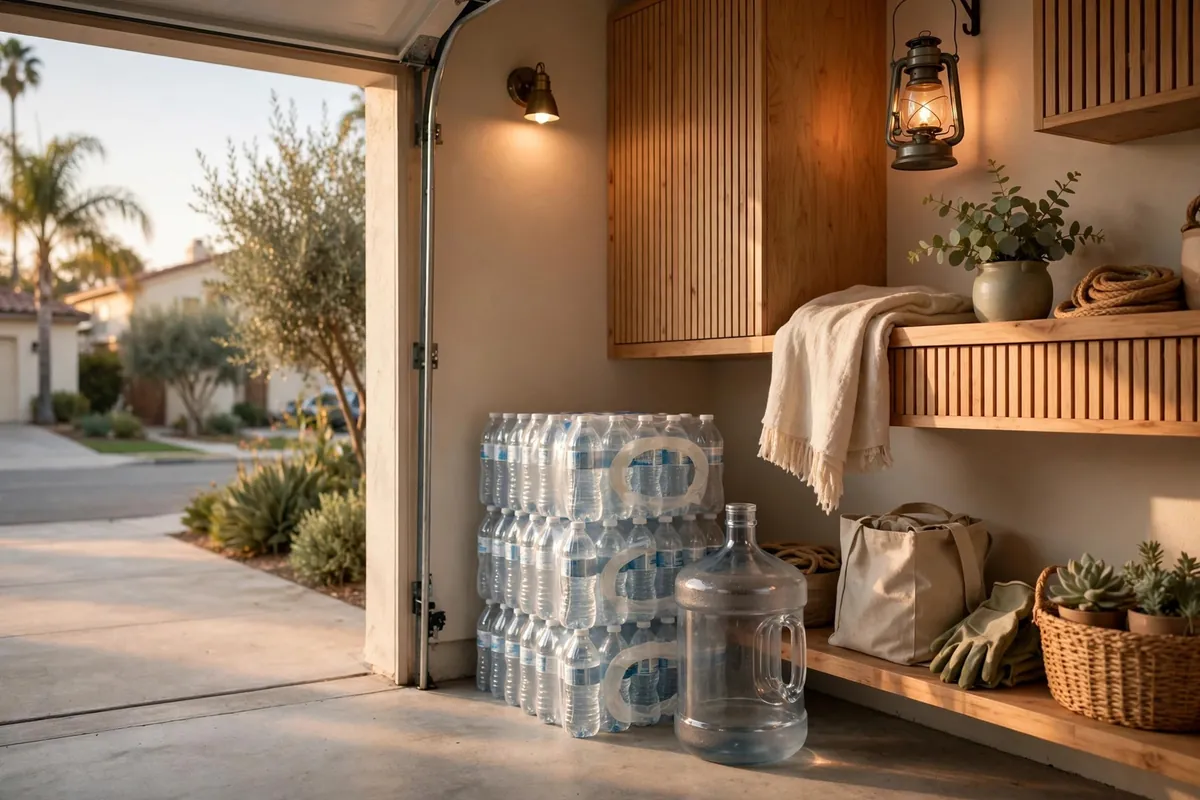
Kit guide
The 72-hour family kit, item by item.
Everything a household needs for three days with no help, and nothing it does not.
Open the guide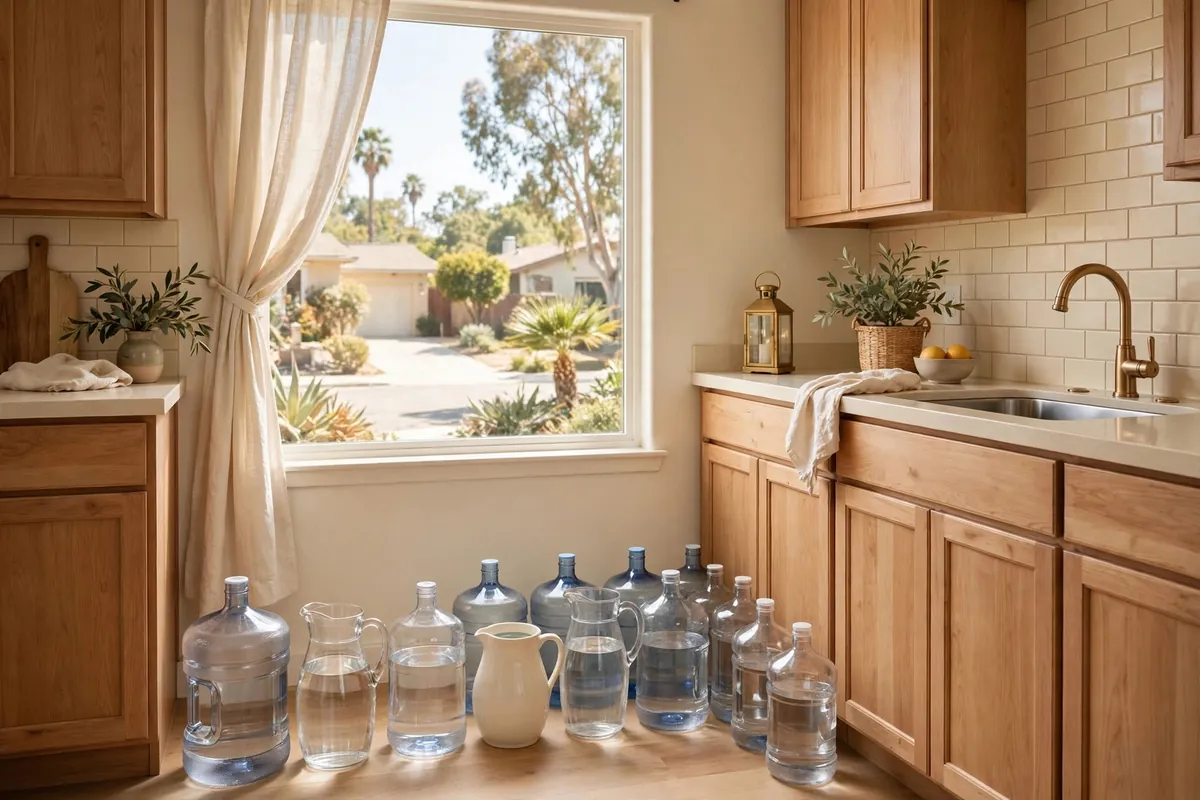
Home guide
A week without power.
How a normal household eats, stays clean, keeps cool or warm, and sleeps when the grid is gone for days.
Open the guide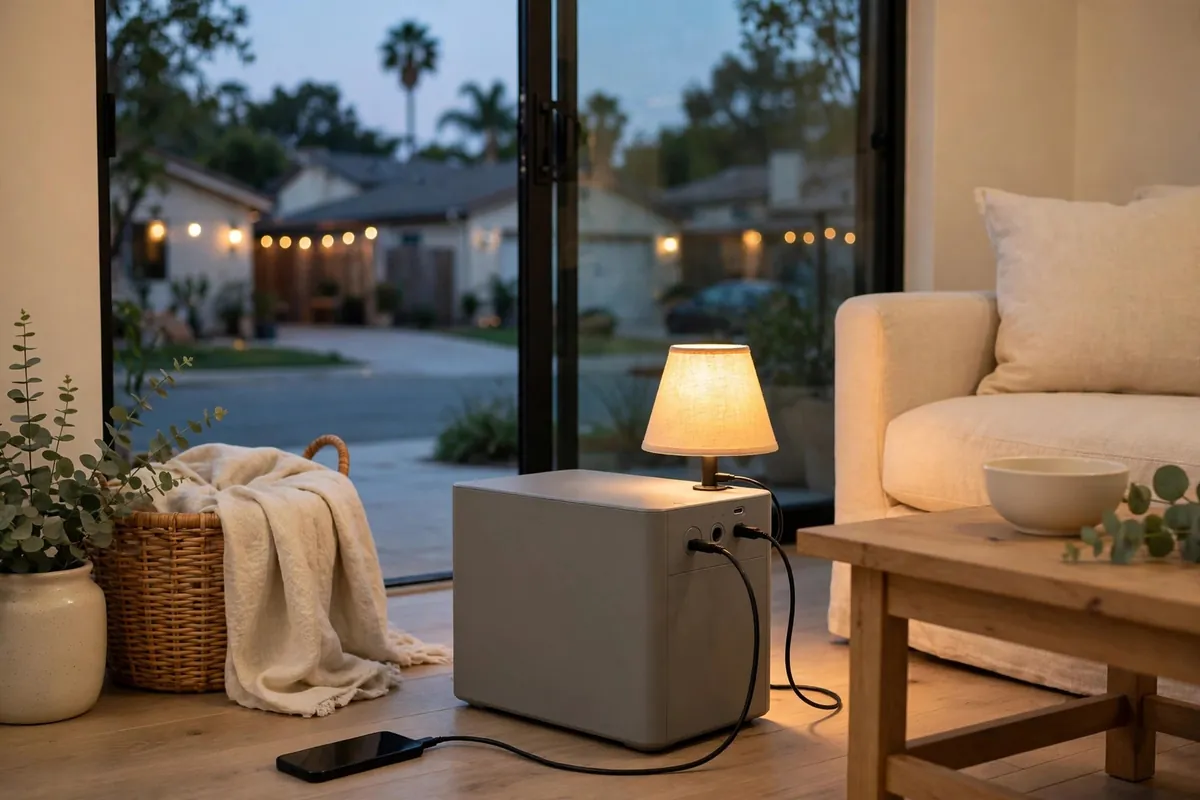
Gear Lab guide
Backup power, ranked by what actually works.
Twelve ways to keep phones, lights and a fridge going, from best to barely.
Open the guide