Grow guide
Start a food garden in one weekend.
Saturday for sun, soil and pots. Sunday for planting. After that, a watering habit.
One page. Read it here, save the image to your phone, or print it for the fridge.
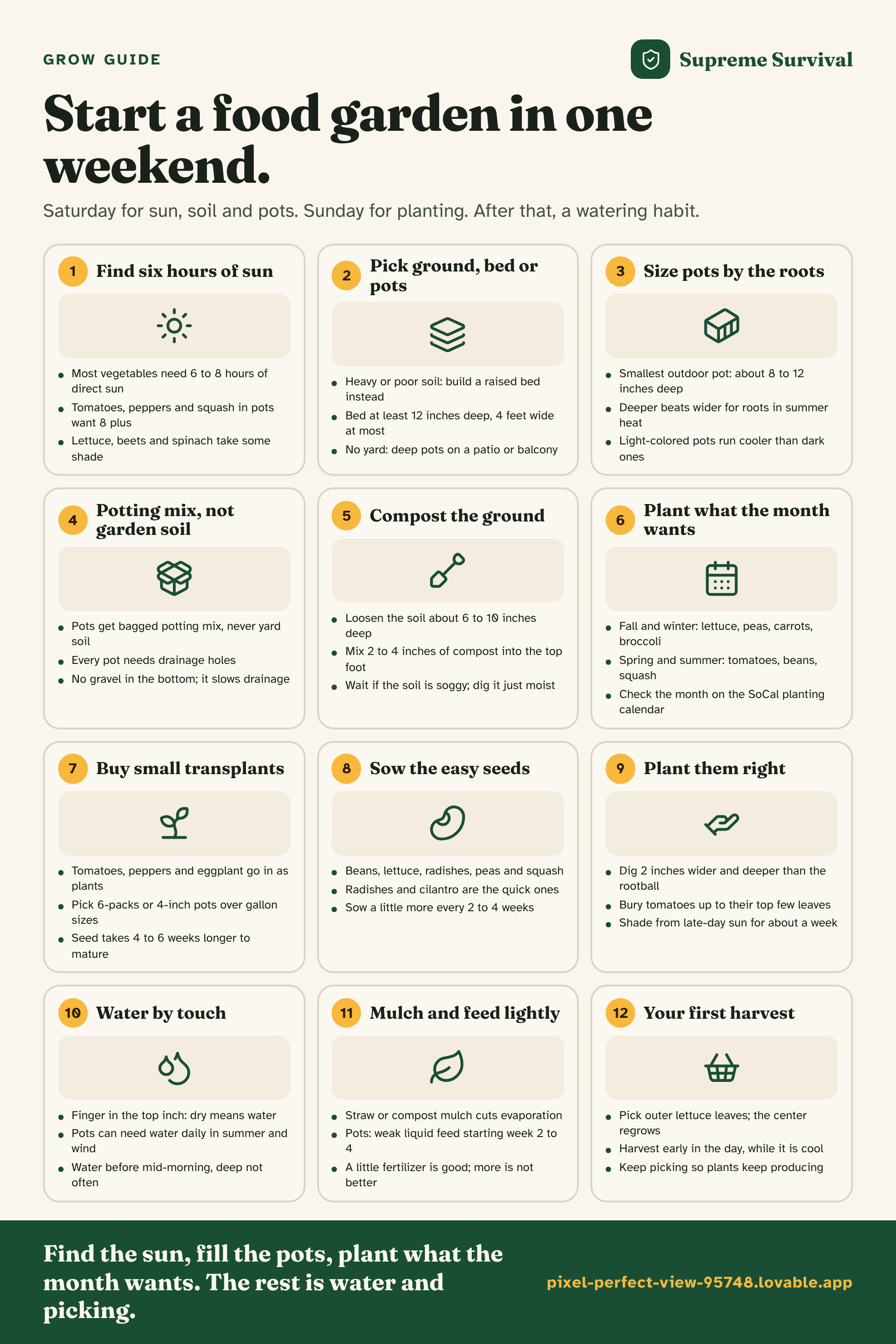
A first food garden in Southern California does not need a big yard or a big budget. A sunny patch of ground, a raised bed or a few deep pots on a balcony is enough. Here is the weekend, in order, using guidance from the UC Master Gardeners.
- 1
Find six hours of sun
- Most vegetables need 6 to 8 hours of direct sun
- Tomatoes, peppers and squash in pots want 8 plus
- Lettuce, beets and spinach take some shade
- 2
Pick ground, bed or pots
- Heavy or poor soil: build a raised bed instead
- Bed at least 12 inches deep, 4 feet wide at most
- No yard: deep pots on a patio or balcony
- 3
Size pots by the roots
- Smallest outdoor pot: about 8 to 12 inches deep
- Deeper beats wider for roots in summer heat
- Light-colored pots run cooler than dark ones
- 4
Potting mix, not garden soil
- Pots get bagged potting mix, never yard soil
- Every pot needs drainage holes
- No gravel in the bottom; it slows drainage
- 5
Compost the ground
- Loosen the soil about 6 to 10 inches deep
- Mix 2 to 4 inches of compost into the top foot
- Wait if the soil is soggy; dig it just moist
- 6
Plant what the month wants
- Fall and winter: lettuce, peas, carrots, broccoli
- Spring and summer: tomatoes, beans, squash
- Check the month on the SoCal planting calendar
- 7
Buy small transplants
- Tomatoes, peppers and eggplant go in as plants
- Pick 6-packs or 4-inch pots over gallon sizes
- Seed takes 4 to 6 weeks longer to mature
- 8
Sow the easy seeds
- Beans, lettuce, radishes, peas and squash
- Radishes and cilantro are the quick ones
- Sow a little more every 2 to 4 weeks
- 9
Plant them right
- Dig 2 inches wider and deeper than the rootball
- Bury tomatoes up to their top few leaves
- Shade from late-day sun for about a week
- 10
Water by touch
- Finger in the top inch: dry means water
- Pots can need water daily in summer and wind
- Water before mid-morning, deep not often
- 11
Mulch and feed lightly
- Straw or compost mulch cuts evaporation
- Pots: weak liquid feed starting week 2 to 4
- A little fertilizer is good; more is not better
- 12
Your first harvest
- Pick outer lettuce leaves; the center regrows
- Harvest early in the day, while it is cool
- Keep picking so plants keep producing
Find the sun, fill the pots, plant what the month wants. The rest is water and picking.
Get the free 72-Hour Readiness Plan
Sources
More guides
Home guide
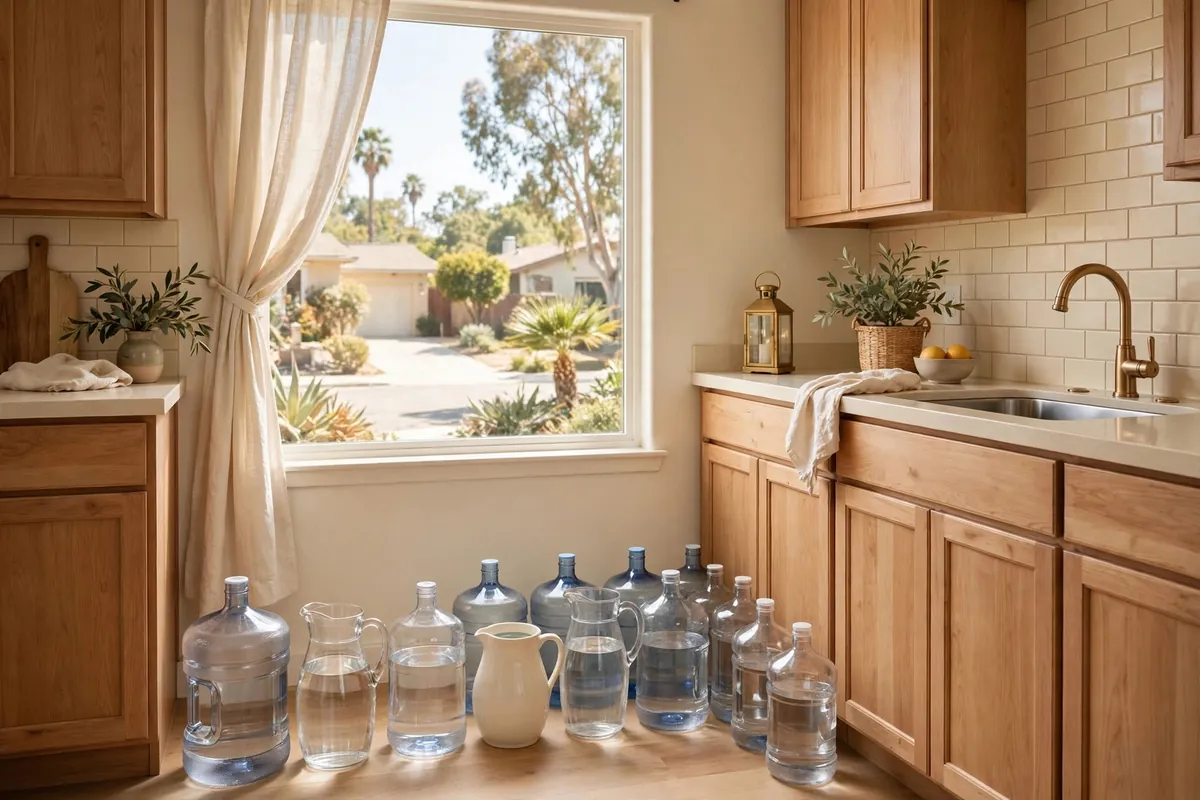
A week without power.
How a normal household eats, stays clean, keeps cool or warm, and sleeps when the grid is gone for days.
Open the guide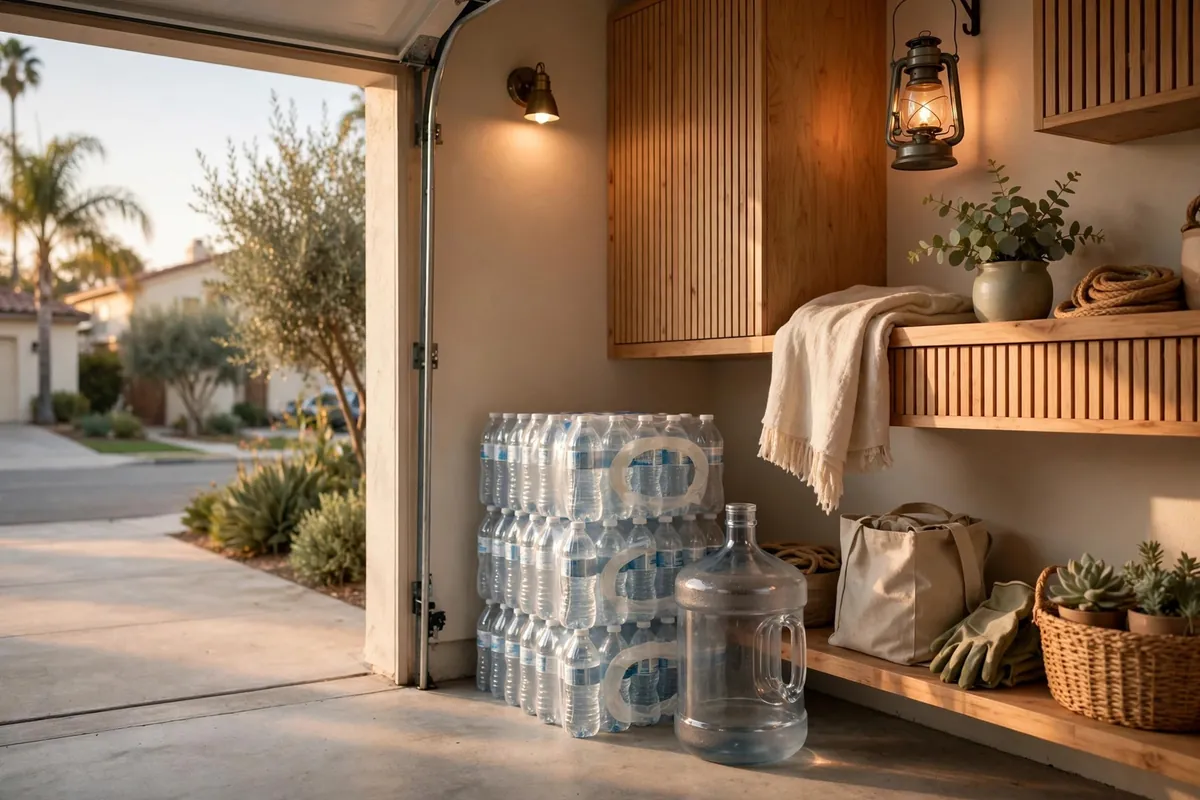
Kit guide
The 72-hour family kit, item by item.
Everything a household needs for three days with no help, and nothing it does not.
Open the guide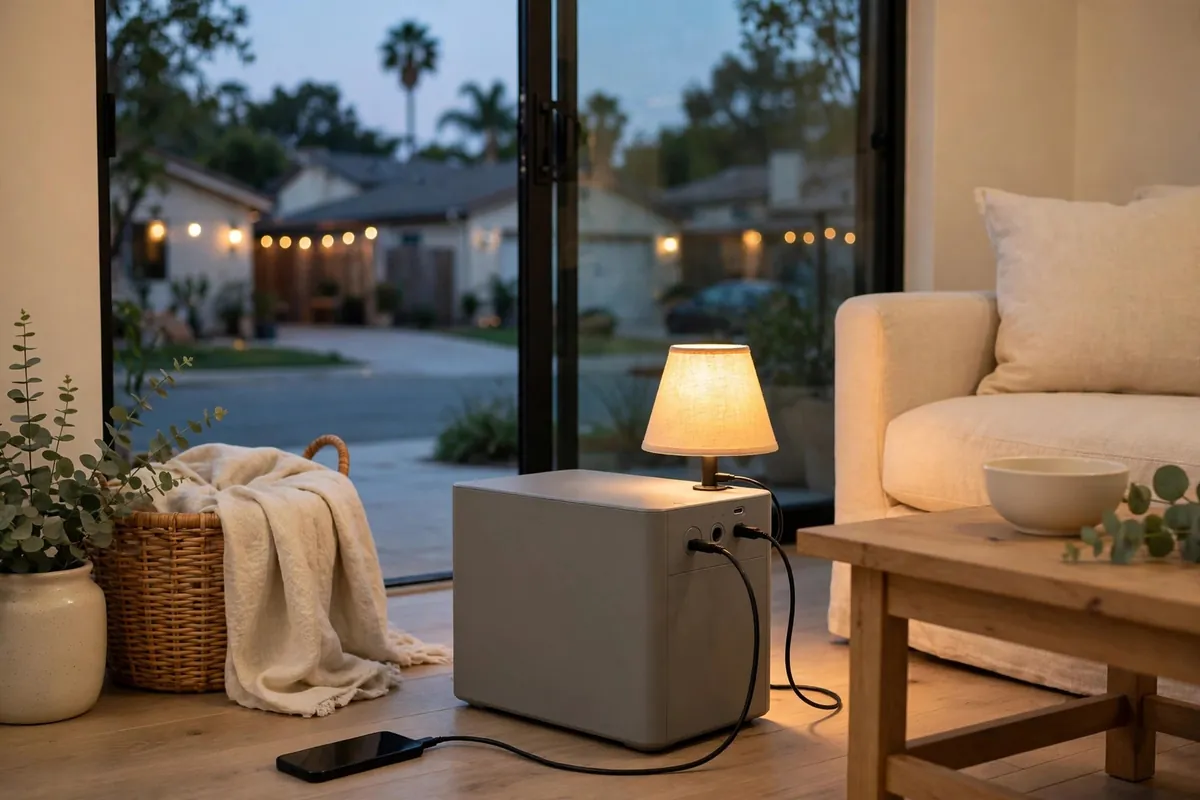
Gear Lab guide
Backup power, ranked by what actually works.
Twelve ways to keep phones, lights and a fridge going, from best to barely.
Open the guide