Grow and Store Food
Ten foods that grow on a balcony or patio.
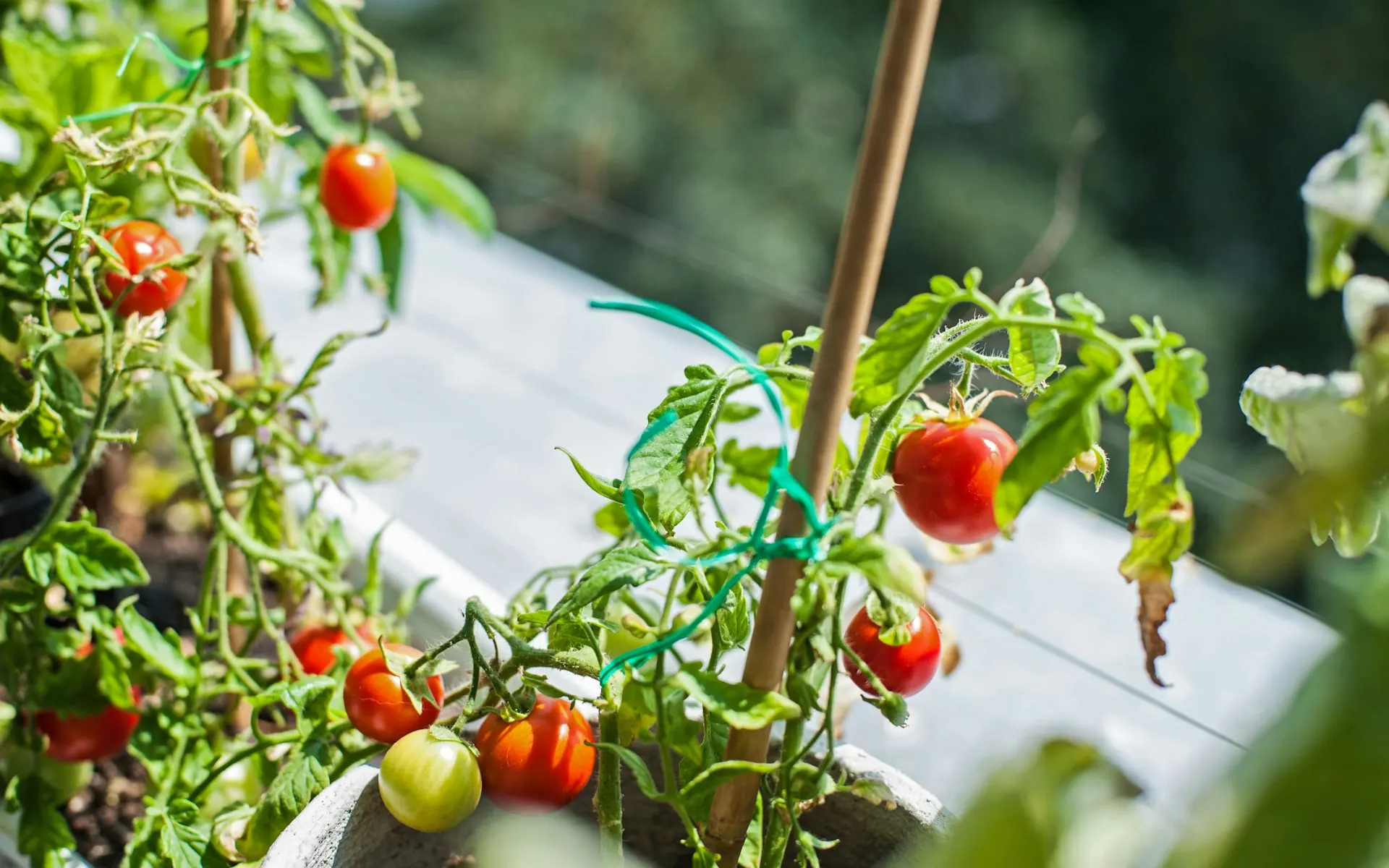
A balcony that gets six hours of direct sun can feed a household more than people expect. Salad greens, green onions, herbs and a cherry tomato plant are the easy start, and every one of them grows in a pot on a railing or a patio slab. The trick is not a green thumb. It is matching each plant to a pot deep enough for its roots and a spot with enough light.
This matters for readiness in a quiet way. A few pots of greens and herbs mean a fresh side dish on a week you cannot or would rather not get to a store: a heat wave, a sick kid, a car in the shop, a tight month. It is not a replacement for a pantry. It is the fresh part the pantry cannot hold. If you are starting from nothing, the weekend starter guide walks through sun, soil and pots, and the Southern California planting calendar tells you what goes in each month.
Start with the sun you have
Watch your balcony or patio for a day before you buy anything. Most vegetables want 6 to 8 hours of direct sun. Leafy and root crops like lettuce, green onions, beets and spinach do fine in partial shade. Plants that bear fruit, such as tomatoes, peppers and squash, want more than 8 hours of full sun, so give them the brightest spot.
A balcony with only part sun is still a greens and herbs balcony.
The ten, with pot depth and sun
Pot depth matters more than width, because roots grow down looking for moisture and cooler soil. The depths and spacing below come from the Los Angeles County Master Gardener handbook. The planting months are the coastal windows from the San Diego County Master Gardener guide; inland gardens often start warm crops a few weeks later.
| Food | Soil depth | Spacing in the pot | Sun | When to plant (coast) |
|---|---|---|---|---|
| Leaf lettuce | 9 to 12 inches | 6 inches apart | Part shade is fine | September to April |
| Radishes | 9 to 12 inches | 1 to 2 inches apart | Part shade is fine | September to May |
| Green onions | 9 to 12 inches | 3 inches apart | Part shade is fine | September to May |
| Spinach | 9 to 12 inches | 5 inches apart | Part shade is fine | September to April |
| Swiss chard | 9 to 12 inches | 6 inches apart | Part shade is fine | September to June |
| Cherry tomatoes | 14 to 18 inches | 18 inches apart | More than 8 hours | March to July, as plants |
| Peppers | 14 to 16 inches | 12 inches apart | More than 8 hours | April to July, as plants |
| Bush beans | 16 to 18 inches | 5 inches apart | Full sun | Mid-March to August |
| Summer squash or zucchini | 16 to 18 inches | 18 inches apart | More than 8 hours | Mid-March to August |
| Kitchen herbs | 6 to 8 inches | One plant per small pot | Mostly full sun | Spring or fall, by herb |
A few notes on the list:
- Lettuce and chard are the best value per pot. Pick a few outer leaves at a time and the center keeps growing, so one planting gives you a harvest every week or so.
- Radishes are among the quickest crops to harvest, which makes them a good first crop for kids.
- Cherry tomatoes, peppers and squash are the high-yield plants. Choose compact or bush varieties, skip anything labeled giant, and put the stake or cage in at planting so you do not damage the roots later.
- Herbs: basil, cilantro and chives want full sun; parsley likes a little afternoon shade. Mint spreads aggressively in the ground, so a pot is where it belongs.
Seeds or plants
Sow lettuce, radishes, beans, squash and peas from seed. Buy tomatoes and peppers as small transplants in 6-packs or 4-inch pots. The small ones settle in faster than gallon-size plants and catch up quickly. Seed takes about 4 to 6 weeks longer to reach harvest than a transplant, so plants are the shortcut when you want food sooner.
In fall and winter, plant about twice as much as you would in spring. Growth slows in the cool months and harvests come less often.
Pots, mix and feeding
Any container works if it has drainage holes. Small pots and unglazed clay dry out fast in summer, and dark pots soak up heat that can cook roots. Light-colored pots stay cooler. Fill them with a bagged potting mix, not soil from the yard, which drains slowly and can carry disease.
Potted plants cannot reach for nutrients, and every watering rinses some out. Two to four weeks after planting, start a water-soluble fertilizer mixed at one-quarter strength with each watering, or use fish emulsion or liquid kelp. A little is good. More is not better.
Watering is the whole job
Containers dry out much faster than the ground. Check every pot daily: push a finger into the top inch of soil. Damp means wait. Dry means water until some runs out the bottom. In midsummer and on windy days that can mean every day.
Water early in the morning so leaves dry before evening. In summer, a saucer under the pot catches the overflow and lets the soil drink it back. In winter, take the saucer away so roots do not sit in water. A thin layer of straw on top of the soil from June on cuts evaporation.
If you travel or work long shifts, a timer and drip line on the balcony faucet takes the daily check off your list.
Picking
Harvest early in the day while it is cool, and pick often. Plants that are kept picked keep setting more. If a tomato plant stops setting fruit in a heat wave, it is the heat, and fruit set usually returns about 10 to 14 days after temperatures stay below 85 to 90 degrees.
Sources
- UC Master Gardeners, Los Angeles County: Vegetable Gardening Handbook for Beginners (Grow L.A.)
- UC Master Gardeners of San Diego County: Vegetable garden planting guide for San Diego County
- UC Master Gardeners of Santa Clara County: Container gardening
- UC Master Gardeners of Santa Clara County: Vegetable gardening basics
- UC Master Gardener Program, Tulare and Kings Counties: Basic herbs for a kitchen garden
Get the free 72-Hour Readiness Plan