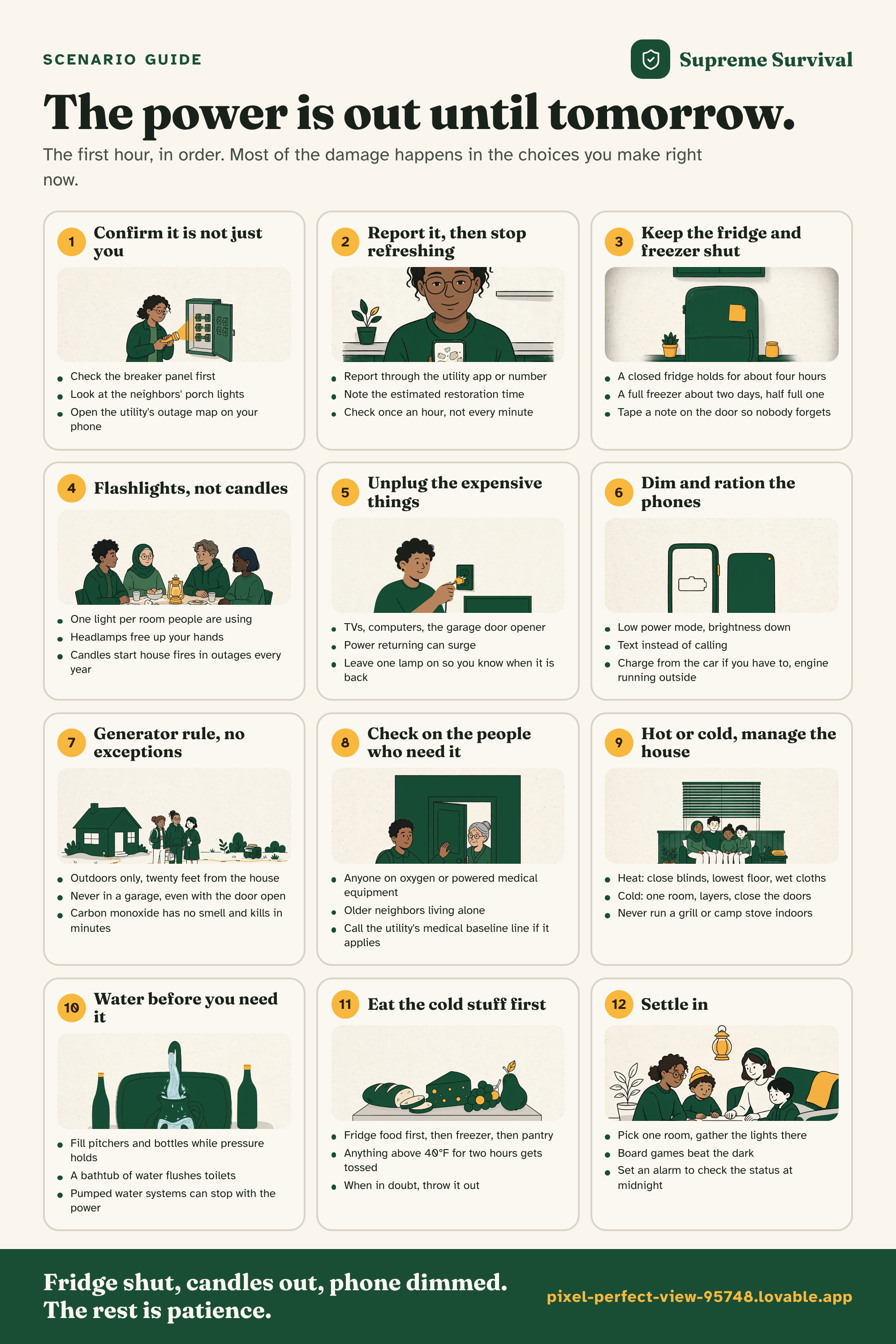
Scenario
The power is out until tomorrow
Scenario guide
The power is out until tomorrow.
The first hour, in order. Most of the damage happens in the choices you make right now.
- 1
Confirm it is not just you
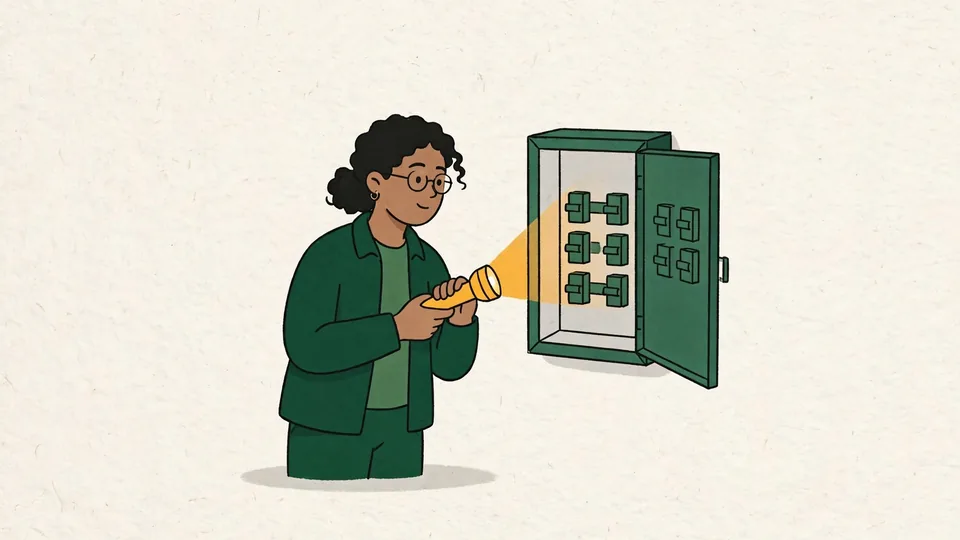
- Check the breaker panel first
- Look at the neighbors' porch lights
- Open the utility's outage map on your phone
- 2
Report it, then stop refreshing

- Report through the utility app or number
- Note the estimated restoration time
- Check once an hour, not every minute
- 3
Keep the fridge and freezer shut
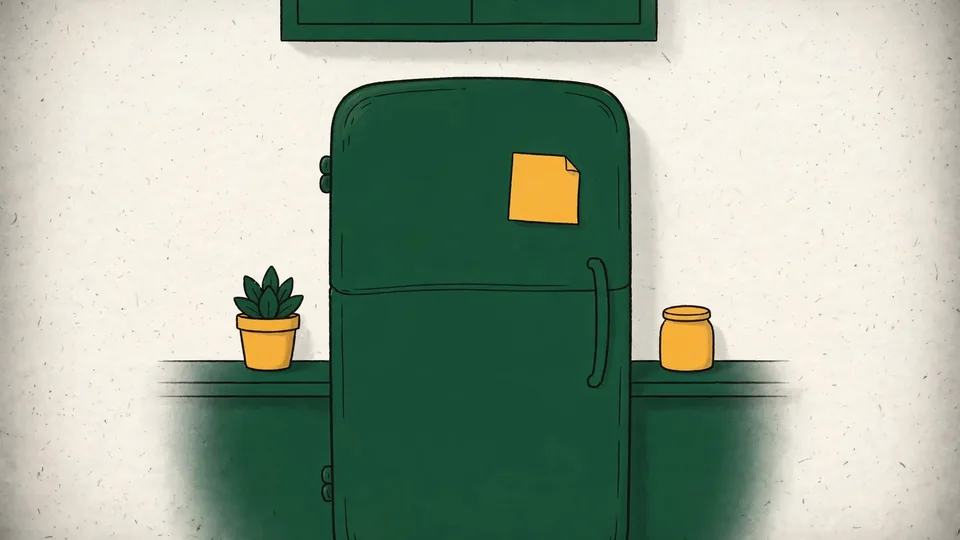
- A closed fridge holds for about four hours
- A full freezer about two days, half full one
- Tape a note on the door so nobody forgets
- 4
Flashlights, not candles
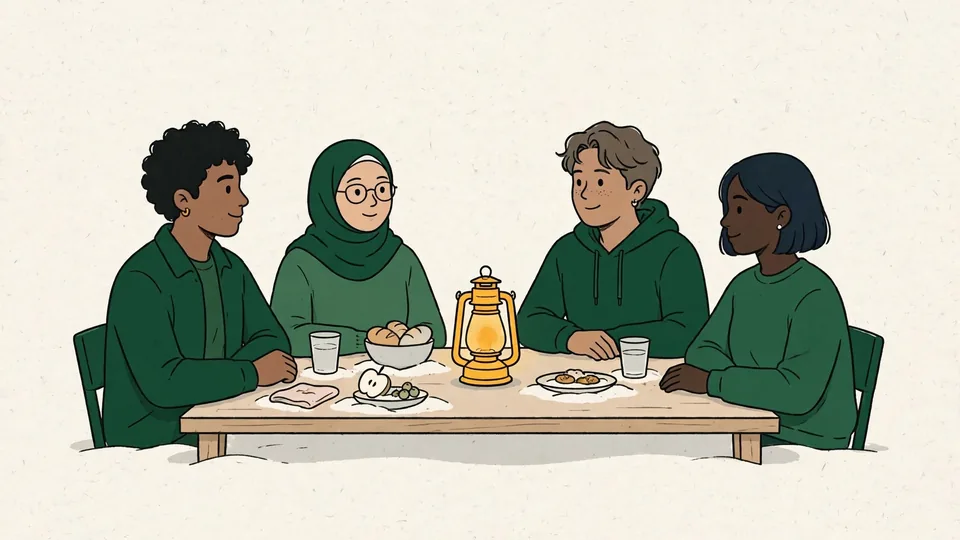
- One light per room people are using
- Headlamps free up your hands
- Candles start house fires in outages every year
- 5
Unplug the expensive things
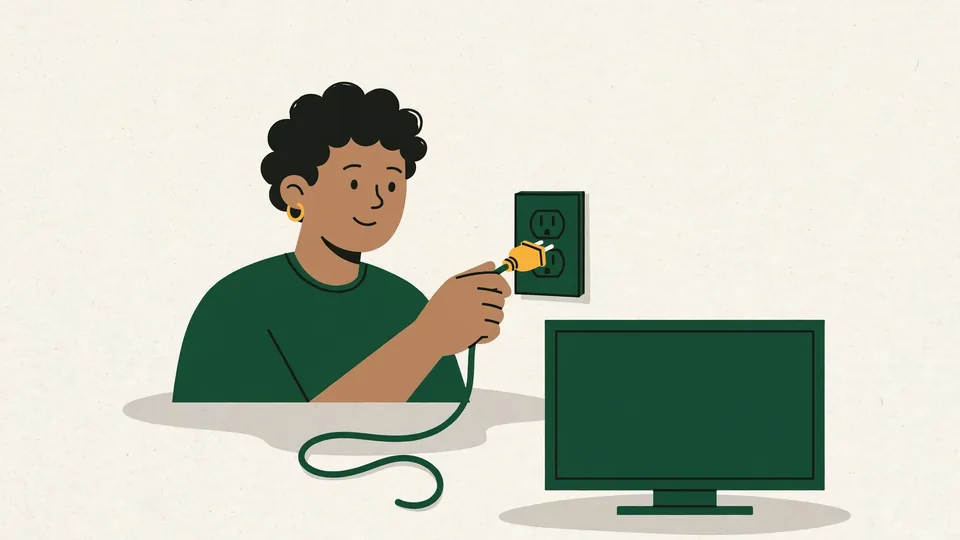
- TVs, computers, the garage door opener
- Power returning can surge
- Leave one lamp on so you know when it is back
- 6
Dim and ration the phones
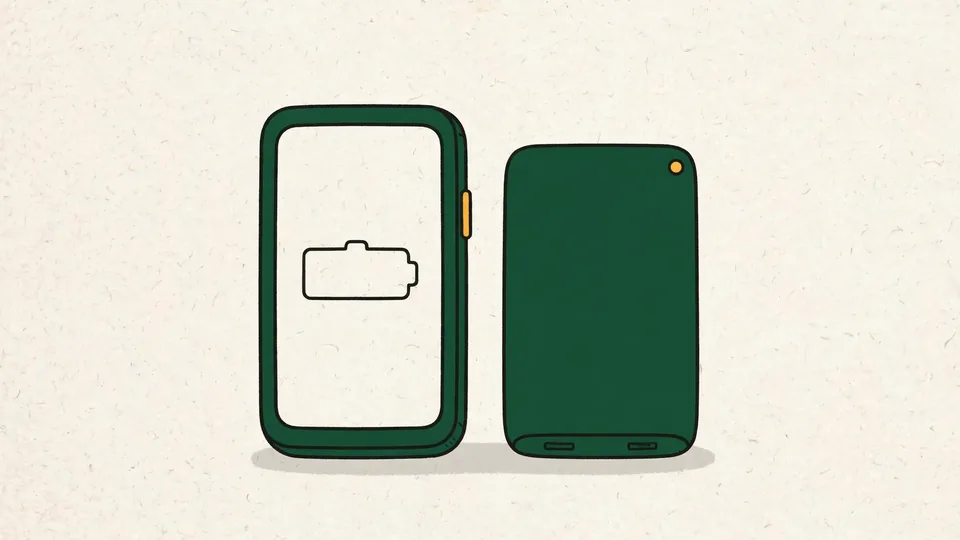
- Low power mode, brightness down
- Text instead of calling
- Charge from the car if you have to, engine running outside
- 7
Generator rule, no exceptions
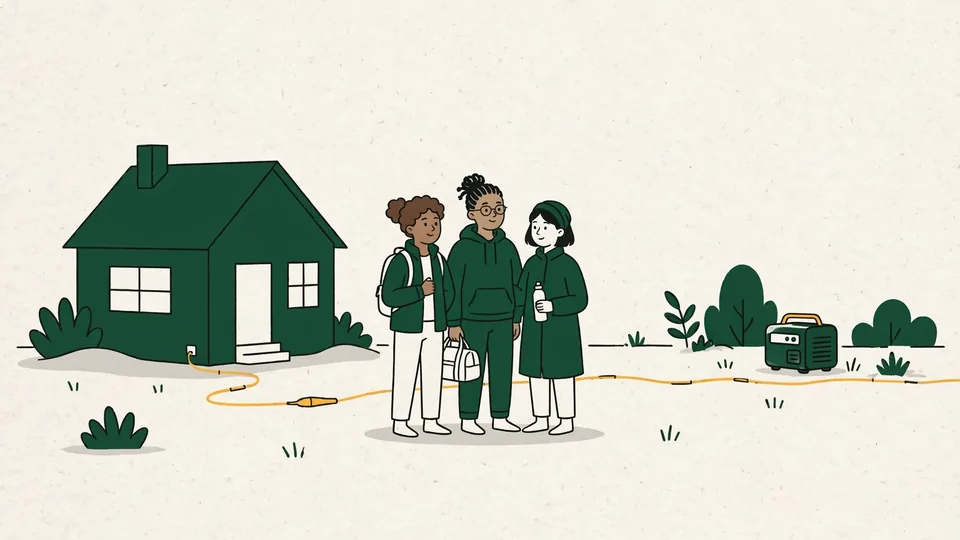
- Outdoors only, twenty feet from the house
- Never in a garage, even with the door open
- Carbon monoxide has no smell and kills in minutes
- 8
Check on the people who need it
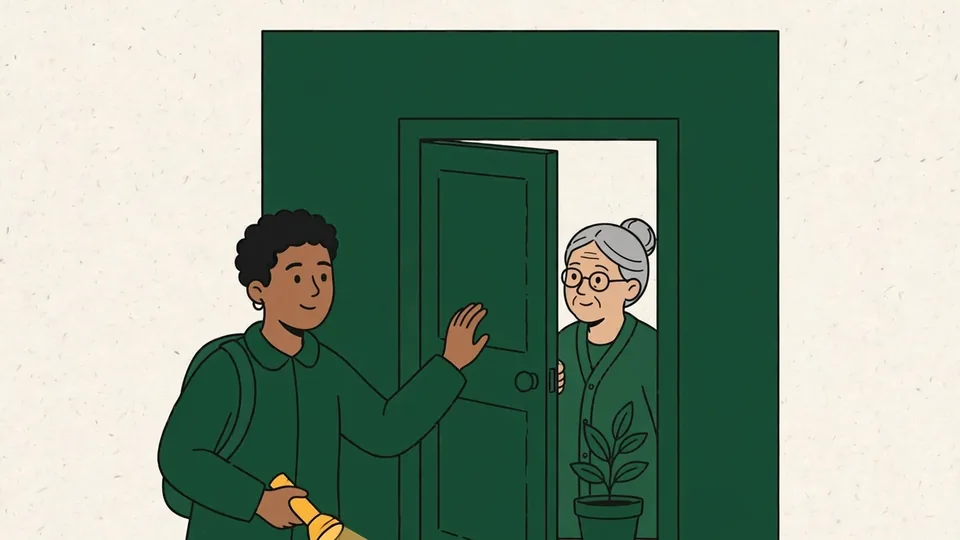
- Anyone on oxygen or powered medical equipment
- Older neighbors living alone
- Call the utility's medical baseline line if it applies
- 9
Hot or cold, manage the house
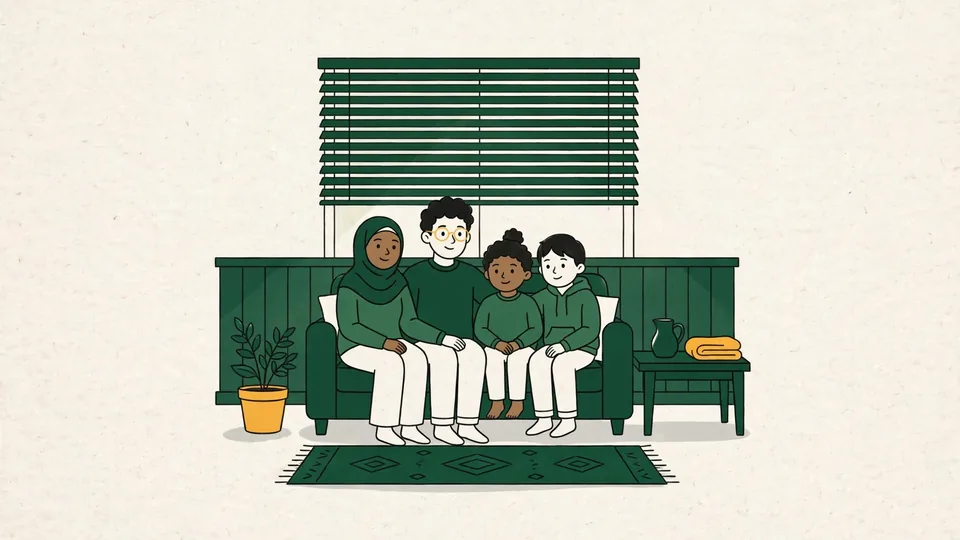
- Heat: close blinds, lowest floor, wet cloths
- Cold: one room, layers, close the doors
- Never run a grill or camp stove indoors
- 10
Water before you need it
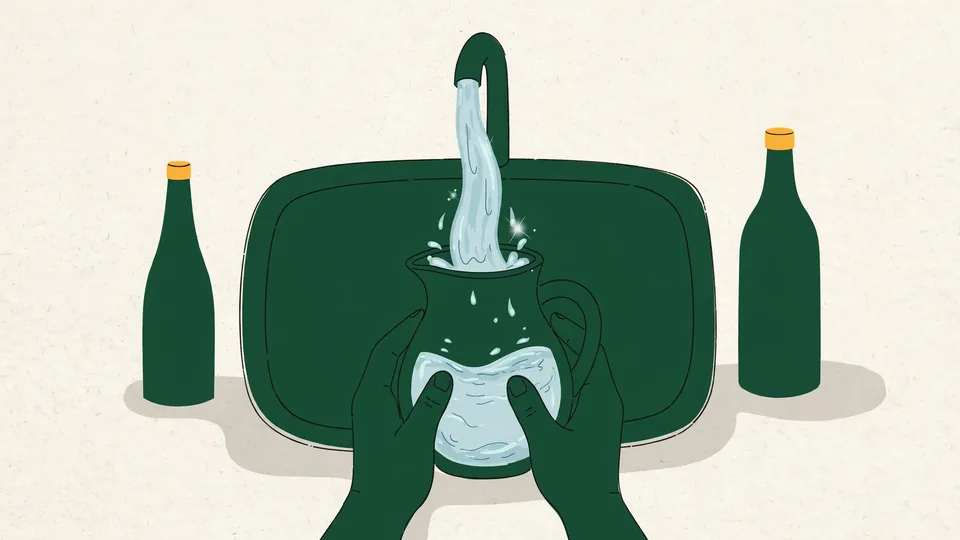
- Fill pitchers and bottles while pressure holds
- A bathtub of water flushes toilets
- Pumped water systems can stop with the power
- 11
Eat the cold stuff first
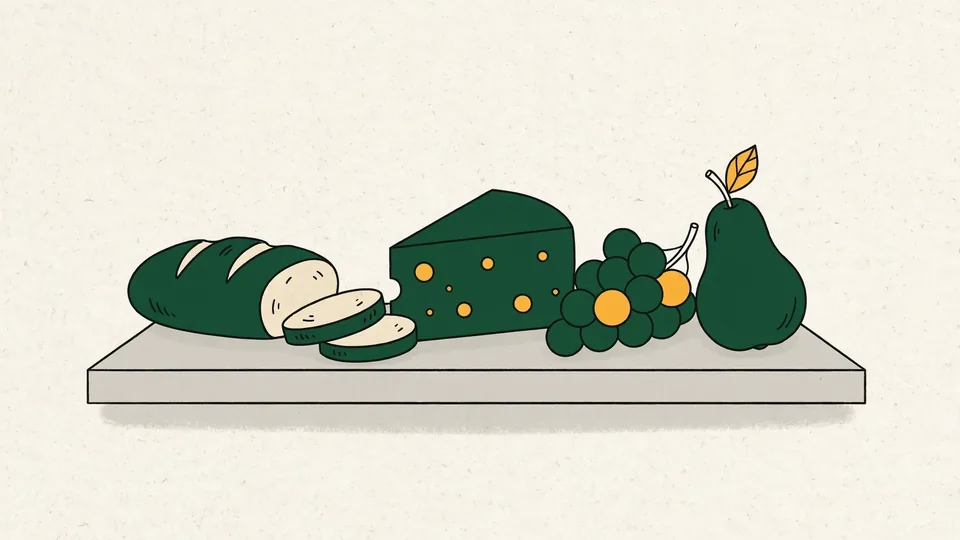
- Fridge food first, then freezer, then pantry
- Anything above 40°F for two hours gets tossed
- When in doubt, throw it out
- 12
Settle in
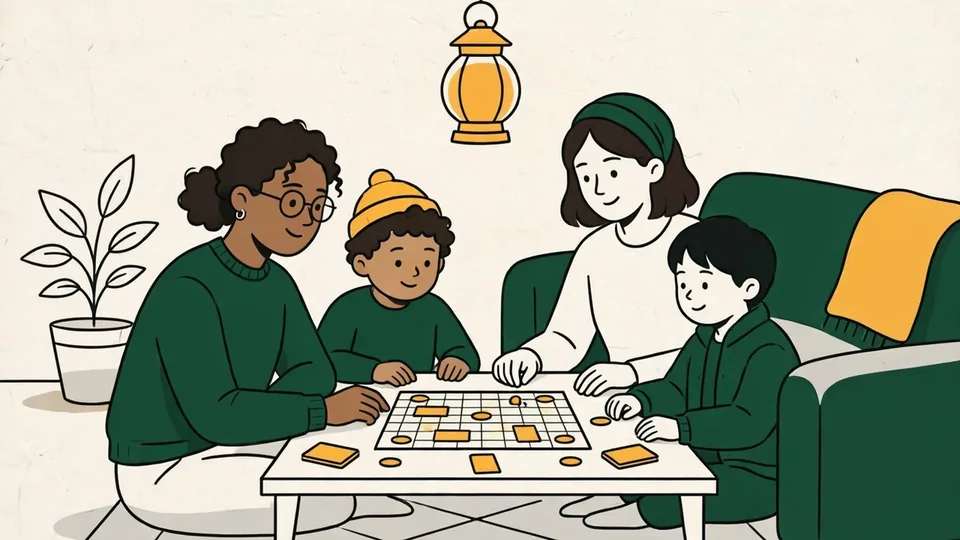
- Pick one room, gather the lights there
- Board games beat the dark
- Set an alarm to check the status at midnight
Fridge shut, candles out, phone dimmed. The rest is patience.
It is 8pm. The lights go out mid-sentence, the fridge stops humming, and the house goes quieter than you knew it could. Your phone still works. The utility's outage map says twelve hours. Here is the night, hour by hour, and the handful of choices that decide whether this is a dull evening or an expensive one.
8:00pm: confirm it is not just you
Check the breaker panel with your phone's light. Look at the neighbors' porch lights. Open the utility's outage map. If it is the whole street, report it through the app or the number, note the estimated restoration time, and then stop refreshing. Once an hour is enough; the map does not update faster because you watch it.
8:10pm: the three things that cost money if you get them wrong
- The fridge and freezer stay shut. A closed fridge holds safe temperatures for about four hours; a full freezer about two days, half full about one. Tape a note on the door so nobody forgets at 11pm.
- Unplug the expensive electronics: the TV, the computers, the garage door opener. When power returns it can surge. Leave one lamp switched on so you know the moment it is back.
- Flashlights and lanterns, not candles. Candles start house fires in outages every year, usually when someone falls asleep.
8:30pm: water and warmth or cool
If you are on a pumped system or a well, water stops with the power. Even on city water it is worth filling pitchers and bottles while pressure holds, and a bathtub of water flushes toilets for days if it comes to that.
On a hot night: blinds shut, windows open once the outside air is cooler than the inside, everyone on the lowest floor, wet cloths on necks and wrists. On a cold night: one room, doors shut, layers and blankets, hats indoors. The rule that does not bend: never run a grill, camp stove, generator or gas oven indoors for heat. Carbon monoxide has no smell and it kills people in outages every winter.
9:00pm: phones, and the people who need checking on
Low power mode, brightness down, texts instead of calls. If you have power banks, this is what they are for. If you need the car to charge a phone, do it outside with the engine running, never in the garage.
Then the check-in: anyone on the street on oxygen or powered medical equipment, anyone older and living alone. Knock, do not call. If someone in your own house depends on a powered device, call the utility's medical baseline line now and know where you would go if the backup runs out.
9:30pm: settle in
Pick one room and gather the lights there. A cold dinner from the fridge, eaten first because it is the food that will spoil first. Board games beat the dark; kids remember outage nights as adventures if the adults are calm. Set an alarm to check the outage map at midnight and go to bed at the normal time.
Morning: what to throw out, and what to write down
If the power came back in the night, the fridge is fine as long as the door stayed shut. If it is still out at twelve hours, move the fridge food to a cooler with ice and plan on eating from the freezer next. Anything that has been above 40°F for two hours gets tossed; when in doubt, throw it out.
Then write down what you reached for and did not have. That list is the kit. Usually it is a lantern per room, a power bank that was actually charged, and a radio. The first hour without power guide is the one-page version of this night, and the week without power guide is what you read if the map starts saying days instead of hours.
If you live where the power goes off on purpose
In Southern California fire weather, utilities shut power off deliberately to keep lines from starting fires, usually with a day or two of warning. That notice is a gift: charge everything, freeze water bottles, fill the water, gas up, get cash and set the lanterns out before the lights go. The shutoff notice checklist is that list.
Sources
Get the free 72-Hour Readiness Plan