Scenario
An earthquake during school pickup
Scenario guide
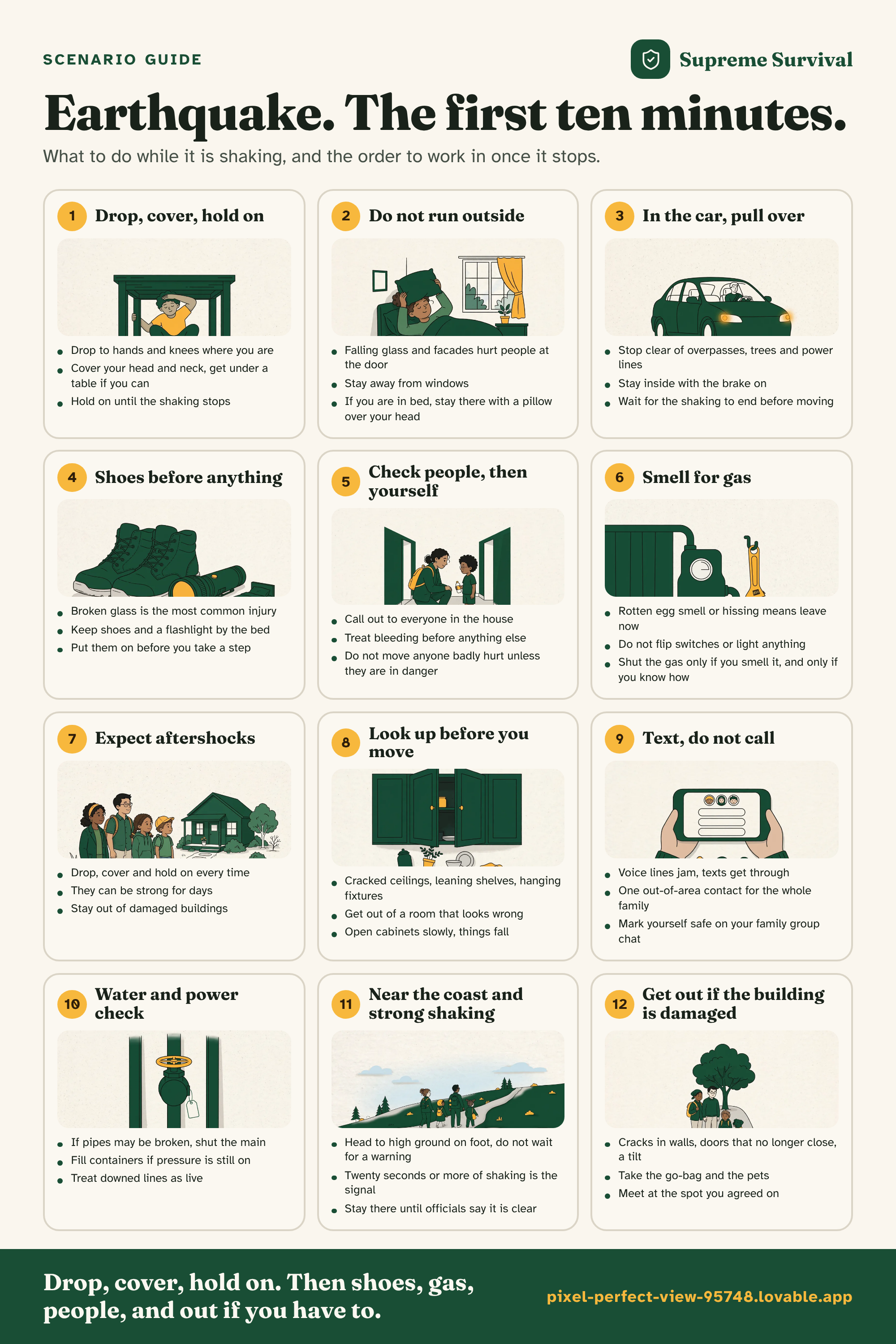
Earthquake. The first ten minutes.
What to do while it is shaking, and the order to work in once it stops.
- 1
Drop, cover, hold on
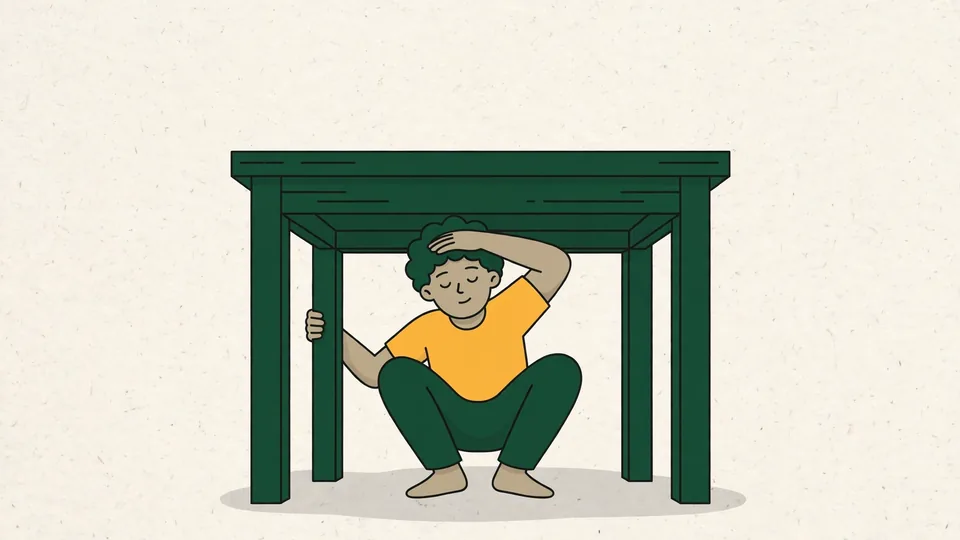
- Drop to hands and knees where you are
- Cover your head and neck, get under a table if you can
- Hold on until the shaking stops
- 2
Do not run outside
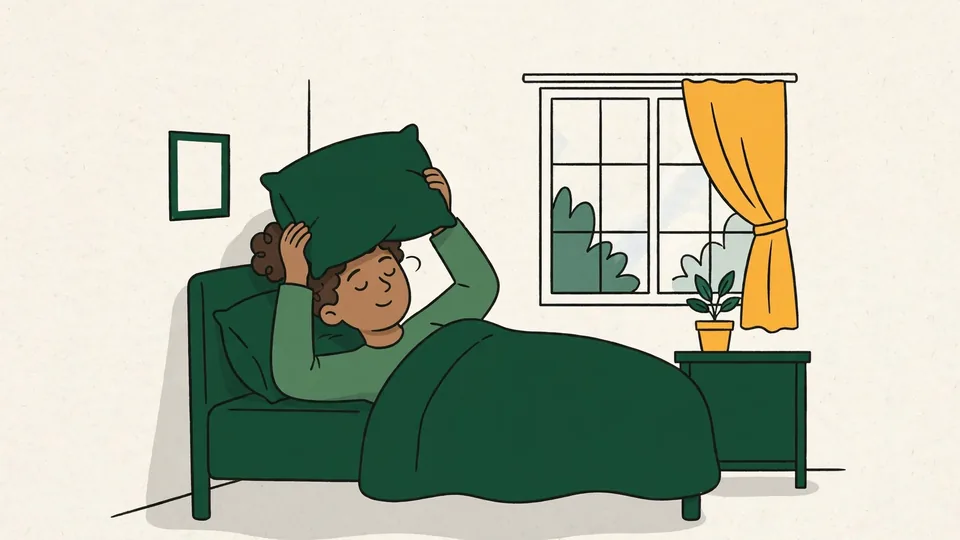
- Falling glass and facades hurt people at the door
- Stay away from windows
- If you are in bed, stay there with a pillow over your head
- 3
In the car, pull over
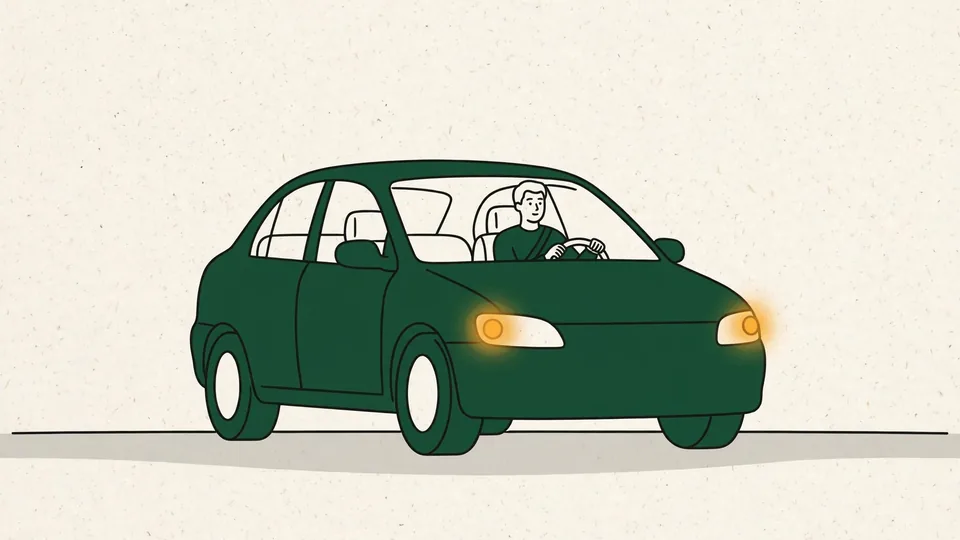
- Stop clear of overpasses, trees and power lines
- Stay inside with the brake on
- Wait for the shaking to end before moving
- 4
Shoes before anything
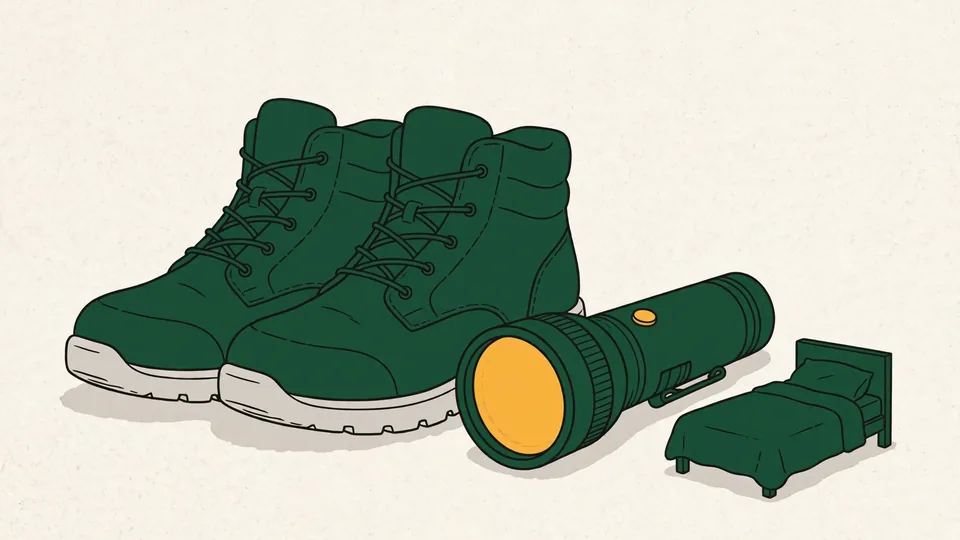
- Broken glass is the most common injury
- Keep shoes and a flashlight by the bed
- Put them on before you take a step
- 5
Check people, then yourself
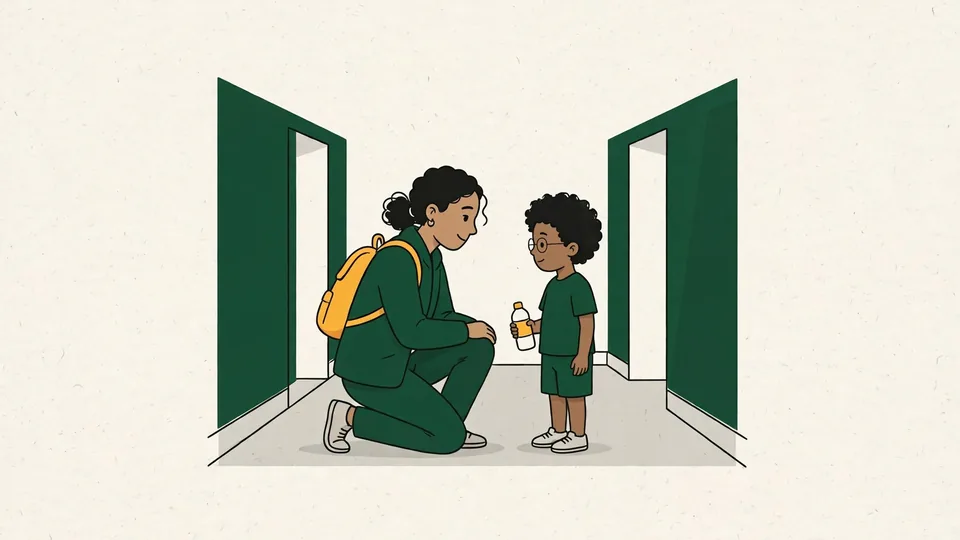
- Call out to everyone in the house
- Treat bleeding before anything else
- Do not move anyone badly hurt unless they are in danger
- 6
Smell for gas
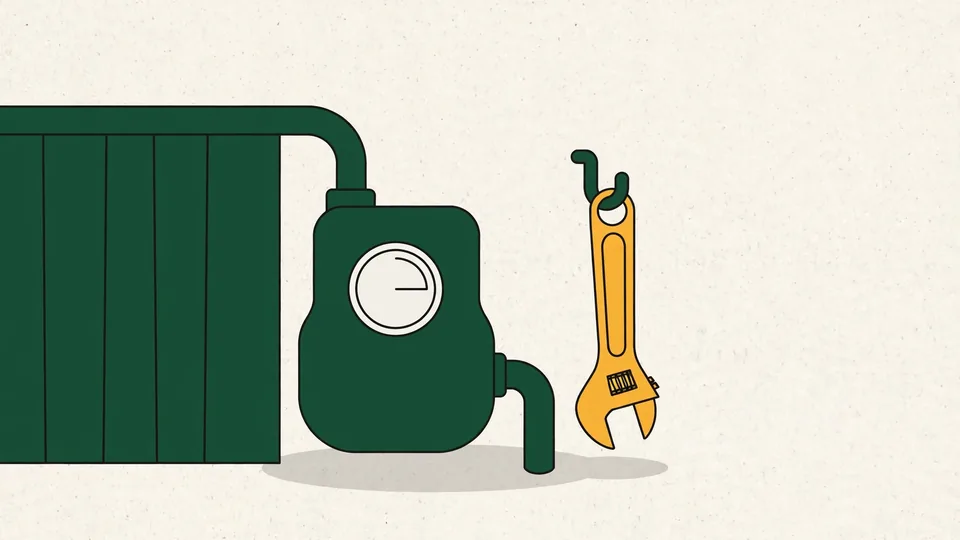
- Rotten egg smell or hissing means leave now
- Do not flip switches or light anything
- Shut the gas only if you smell it, and only if you know how
- 7
Expect aftershocks
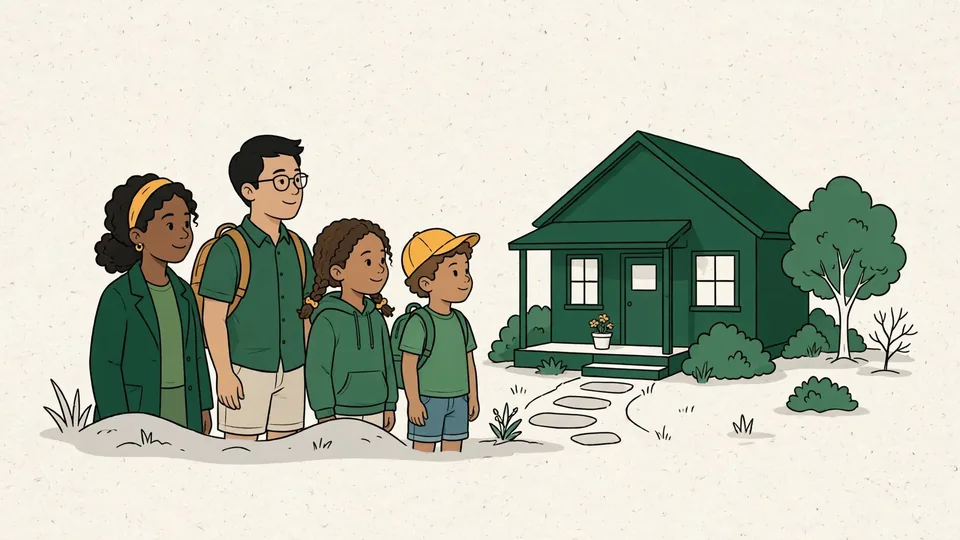
- Drop, cover and hold on every time
- They can be strong for days
- Stay out of damaged buildings
- 8
Look up before you move
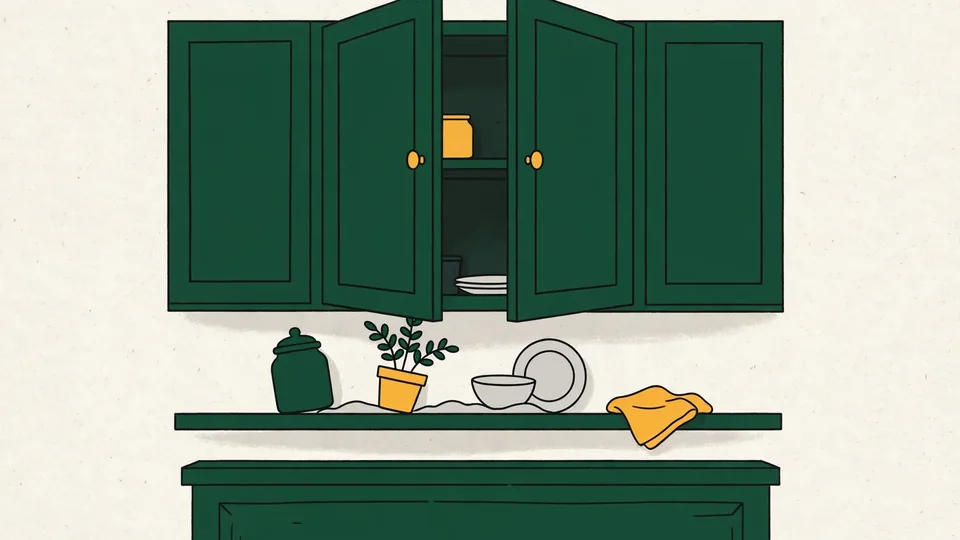
- Cracked ceilings, leaning shelves, hanging fixtures
- Get out of a room that looks wrong
- Open cabinets slowly, things fall
- 9
Text, do not call
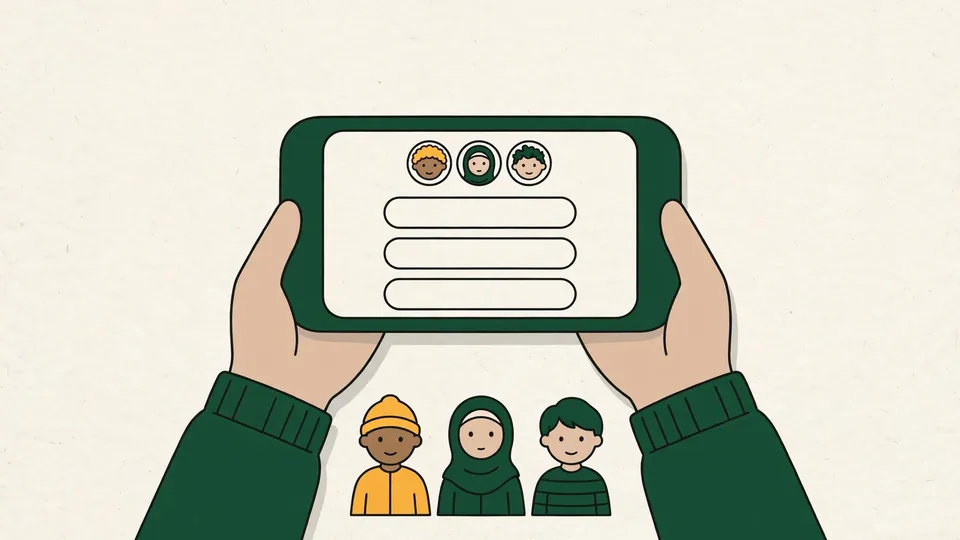
- Voice lines jam, texts get through
- One out-of-area contact for the whole family
- Mark yourself safe on your family group chat
- 10
Water and power check
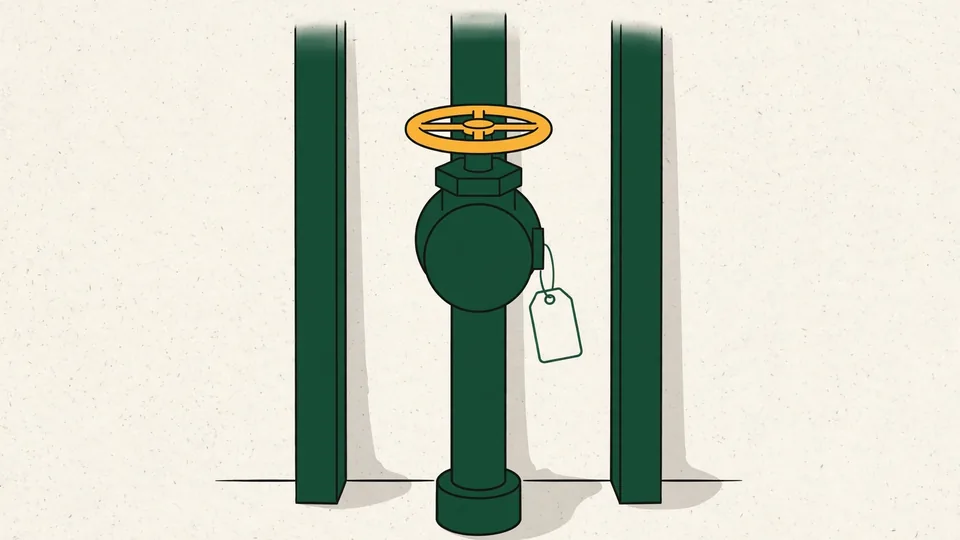
- If pipes may be broken, shut the main
- Fill containers if pressure is still on
- Treat downed lines as live
- 11
Near the coast and strong shaking
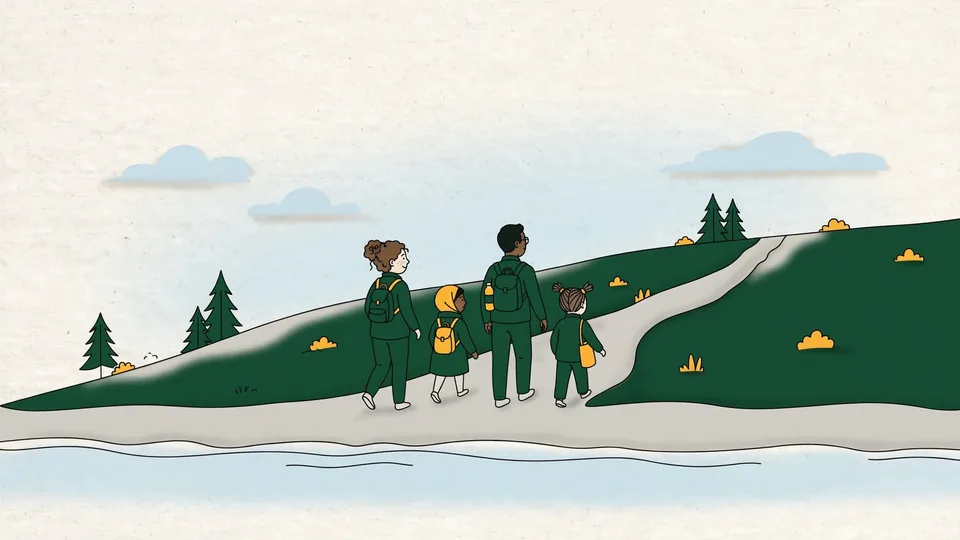
- Head to high ground on foot, do not wait for a warning
- Twenty seconds or more of shaking is the signal
- Stay there until officials say it is clear
- 12
Get out if the building is damaged
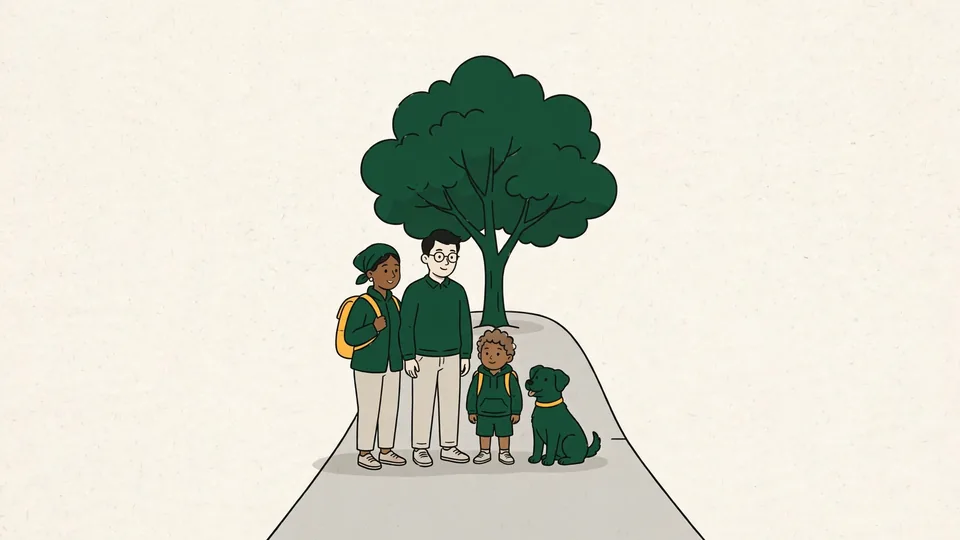
- Cracks in walls, doors that no longer close, a tilt
- Take the go-bag and the pets
- Meet at the spot you agreed on
Drop, cover, hold on. Then shoes, gas, people, and out if you have to.
You are third in the car line at 2:50pm, engine idling, when the car starts to rock like someone is pushing on the bumper. Then the light pole across the street starts to sway. It is an earthquake, and your kid is inside the building. Here is what happens next, in order, and the one thing most parents get wrong.
While it is shaking: stay in the car
Stop. Set the parking brake. Stay inside with your seatbelt on. A car is a decent shelter from falling things, and the school's drop-off lane is usually away from the building. The things to avoid are what is overhead: power lines, big trees, overpasses, the edge of the building itself. If you are stopped under any of those, roll forward out from under them if you safely can, then stop.
Do not get out and run for the building. Falling glass and facades hurt people at doorways, which is why the kids inside are being told the same thing: drop, cover and hold on until it stops.
The first minute after: look before you move
Shaking stops. Look up and around before you open the door: downed lines, a leaning pole, cracks in the pavement, anything hanging off the building. Treat any downed line as live. If the car is fine and the lane is clear, stay where you are for a moment and breathe. Aftershocks can be strong for days and the first ones come quickly.
The thing parents get wrong: do not run to the door
Every school in California has an emergency plan, and in it the staff hold the children, account for every one of them, and release them only to an authorized adult through a reunification process. That process is slow on purpose. A parent who runs to the classroom door is a parent the staff has to manage instead of the kids, and a crowd at the entrance makes the count take longer for everyone.
What to do instead:
- Do not call the school. The lines jam within a minute, and every call you make is one that a staff member cannot. Check the district's text alert or app; most send a status within minutes.
- Text, do not call, your out-of-area contact and your partner: "Quake at school, I am here, waiting for release."
- Park where the school tells you, or in the nearest lot that is not under a line. Then walk to the reunification point and wait your turn with your ID out. The school will ask for it.
- If you are not on your kid's emergency card, you will not be able to take them, no matter how obvious it is that you are the parent. Check the card every fall.
If you are not at the school yet
Stay off the road for the first few minutes unless you have to move; roads near schools fill with parents doing exactly what you are tempted to do. Check the alert, text your contact, then drive the route that avoids overpasses and the oldest brick buildings in town. Expect to walk the last part.
Once you have your child
Head home by the route you know, slowly. Before you walk in, look at the house: cracks in walls, doors that will not close, a smell of gas at the meter. If you smell gas or hear hissing, do not go in; shut the valve at the meter if you know how and call the utility from the yard. Inside, shoes stay on, because broken glass on the floor is the most common earthquake injury and it happens in the first steps.
Then the ten-minute sequence from the earthquake first ten minutes guide: people, gas, water, aftershocks, and out if the building is damaged.
What this scenario teaches you to prepare
Three things, all of them an afternoon:
- Be on the emergency card, and know the school's reunification point. Ask at the front office; they will be glad you did.
- Put the out-of-area contact and the meeting places on the household plan page on the fridge, so a teenager who walks home knows where to go when nobody answers.
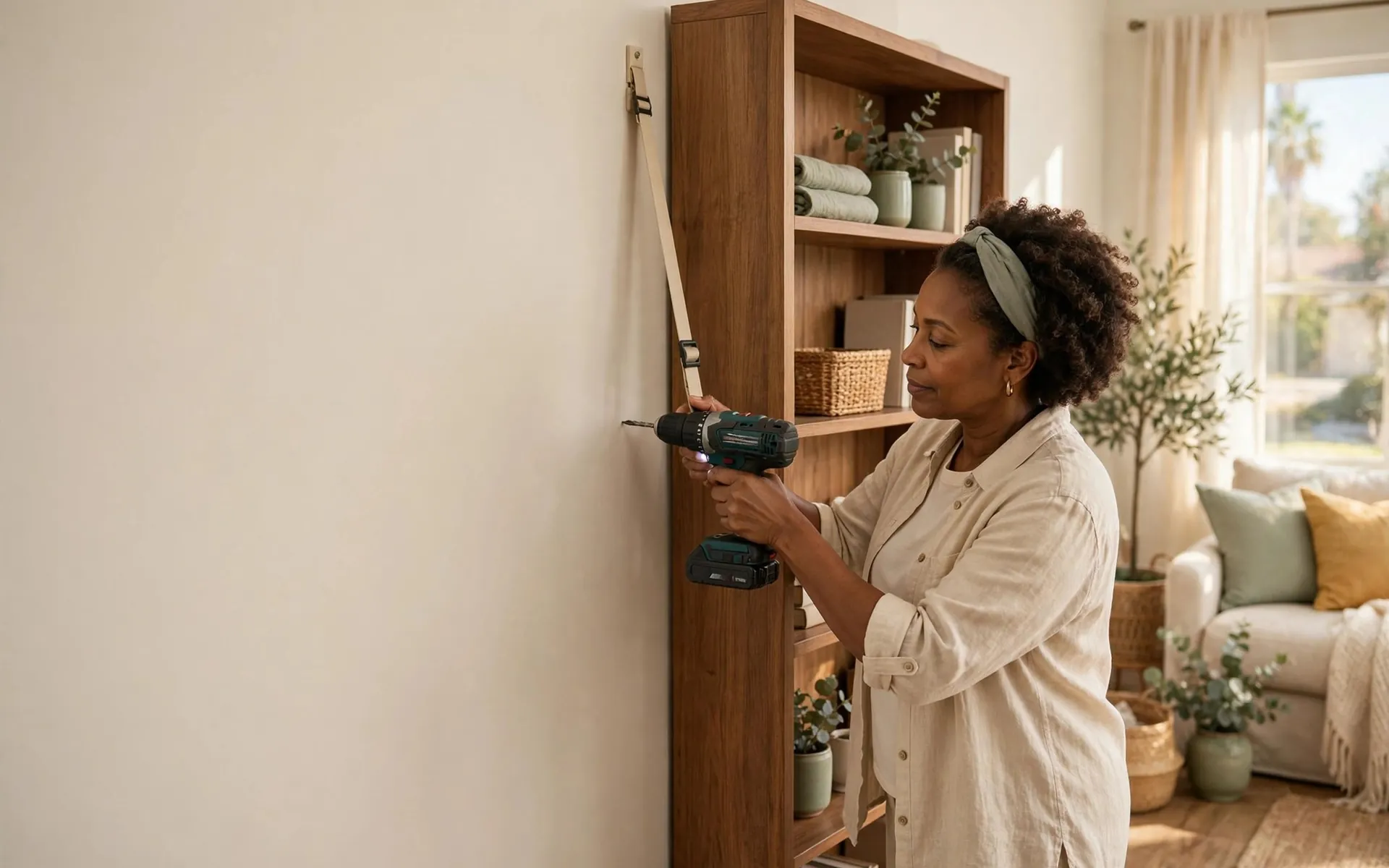
- Do the 20-minute earthquake home check, especially the bedroom furniture and the gas wrench, so the house you come home to is the one you left.
Sources
Get the free 72-Hour Readiness Plan