




















Supreme Survival

Be Ready

Be ready for emergencies

Kits, plans and the first steps for outages, earthquakes, fires and evacuations.

Most emergencies are ordinary: the power goes out overnight, the ground shakes during school pickup, a fire warning gives you twenty minutes. This topic is where the 72-hour kit, the household plan and the step-by-step scenarios live.

Start with the free 72-Hour Readiness Plan, then work through the guides one weekend at a time. Nothing here asks for a bunker, just a few calm decisions made ahead of time.

In this topic: 26 one-page guides · 3 articles · 3 scenarios · 3 gear reviews

One-page guides

Kit guide

The home kit, in buying order.

Twelve purchases from first to last, so the first twenty-five dollars does the most good.

Open the guide

Scenario guide

The week after the big one.

What actually stops working after a major Southern California earthquake, and for how long.

Open the guide

Kit guide

The baby go-bag.

Three days for an infant or toddler, packed so one adult can carry the baby and the other carries everything else.

Open the guide

Home guide

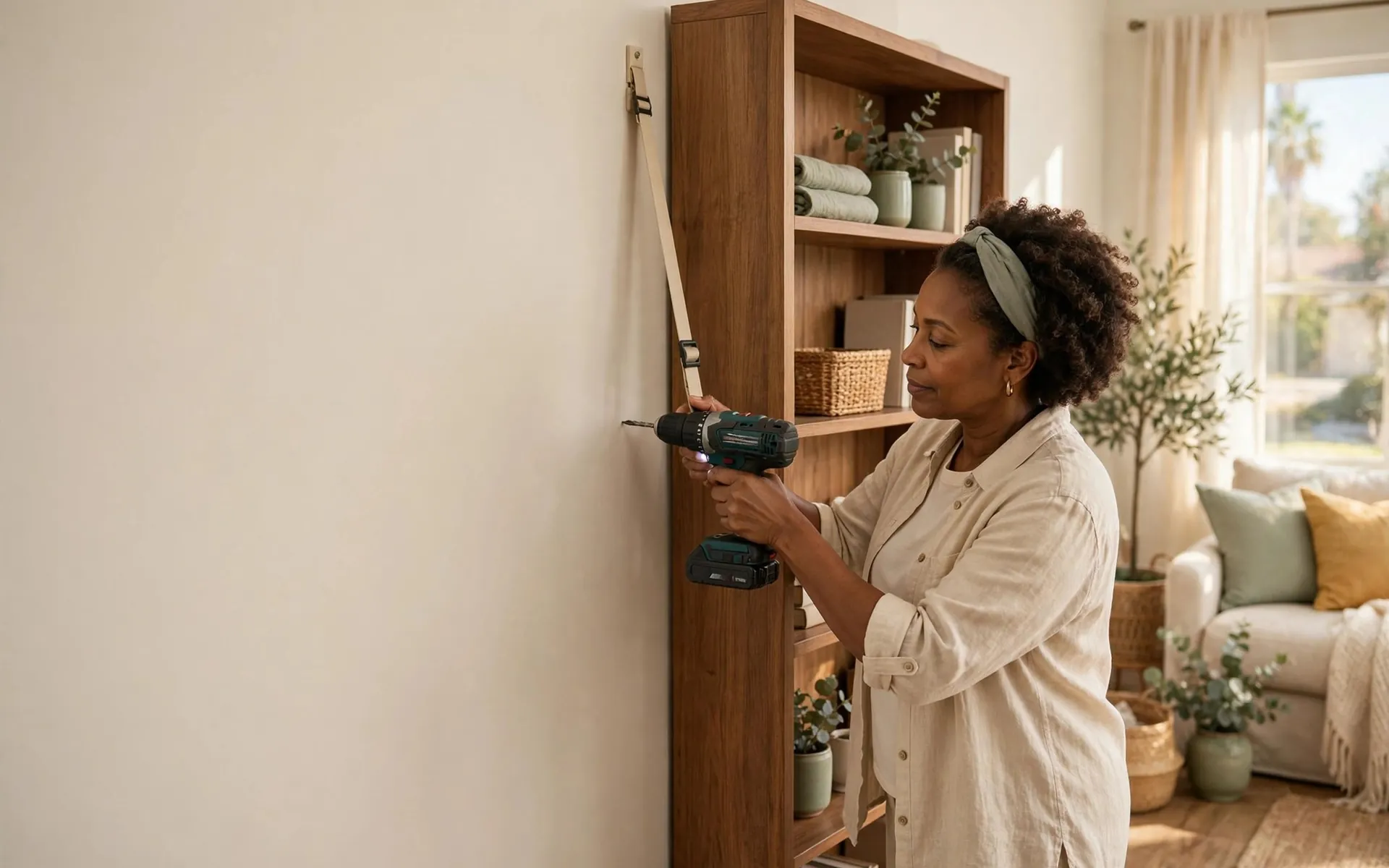
Readiness for renters.

No garage, no solar, no drilling into walls, and you might move next year. Here is what still works.

Open the guide

Skills guide

Cooking without power in an apartment.

Gas stove with an electric igniter, electric microwave, no yard, no fireplace. Here is how you eat.

Open the guide

Family guide

Getting kids ready without scaring them.

How a household practices for the shaking and the dark so children feel capable, not afraid.

Open the guide

Home guide

Power for medical devices when the lights go out.

CPAP, oxygen, refrigerated medicine, a power chair: what keeps running, and who to call before the shutoff.

Open the guide

Family guide

A plan for parents who live alone.

How to get an older parent ready from another city, without moving them or arguing about it.

Open the guide

Skills guide

Water storage in a small home.

A gallon per person per day, in an apartment with no garage and no spare closet.

Open the guide

Home guide

Twelve ways to make your home safer in an emergency.

The fixes that matter most when the power, the water or the neighborhood is not normal.

Open the guide

Scenario guide

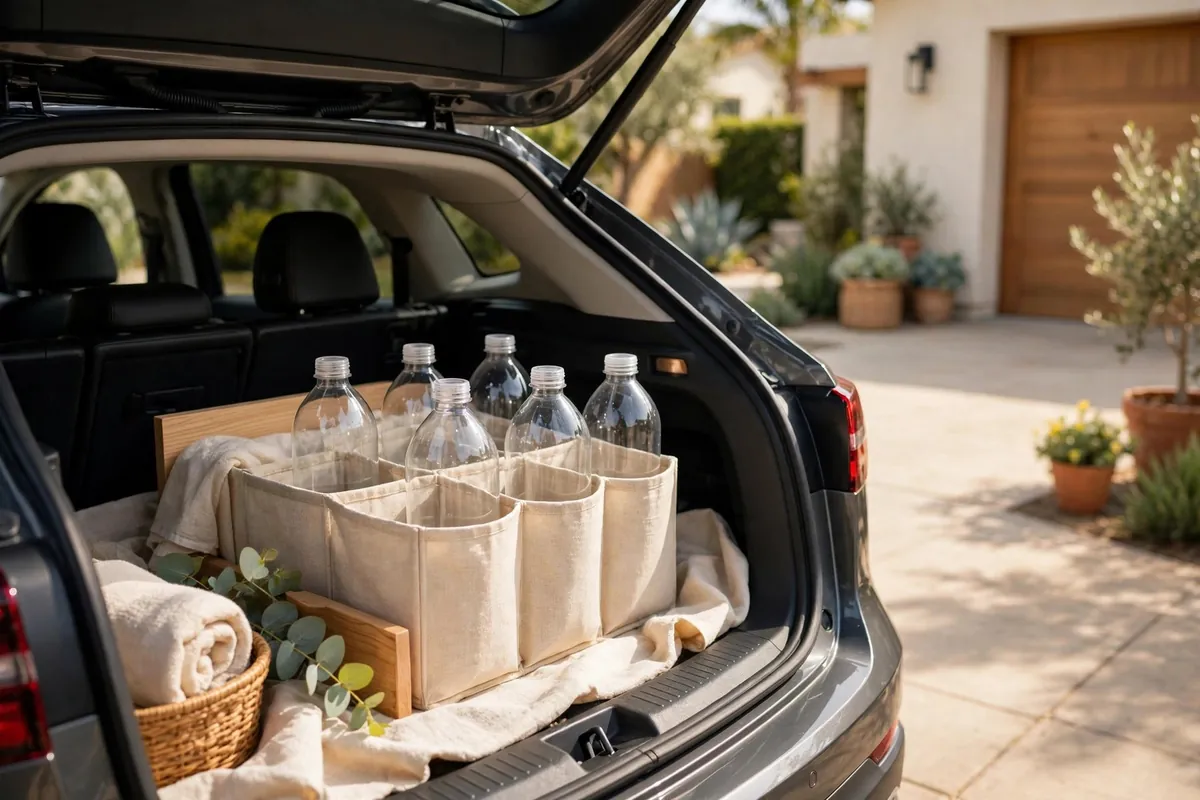
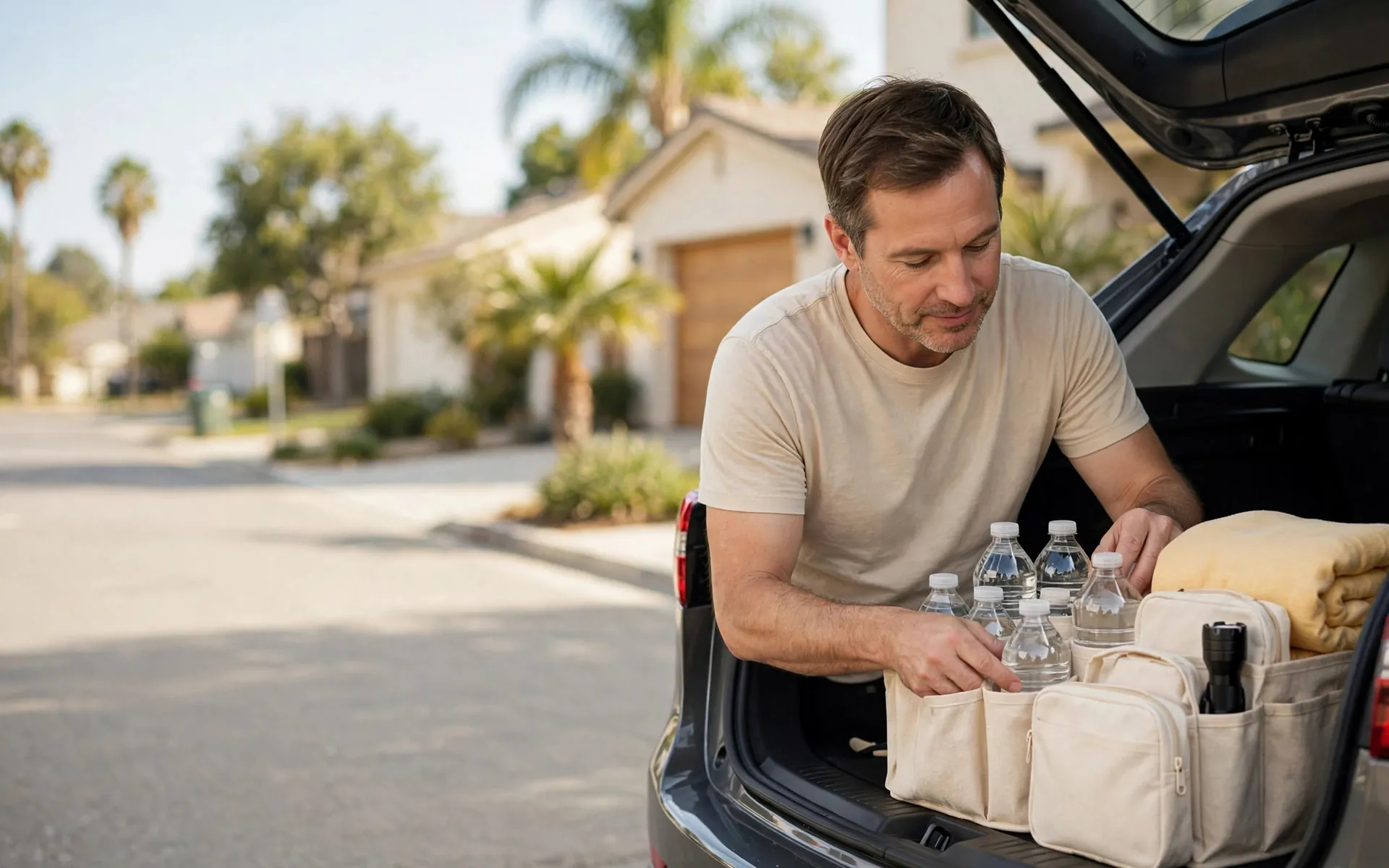
Twenty minutes to evacuate.

What actually goes in the car, in the order it matters.

Open the guide

Supplies guide

Fifteen things worth keeping extra of.

Cheap, useful every week, and the first things to run out when stores close.

Open the guide

Southern California

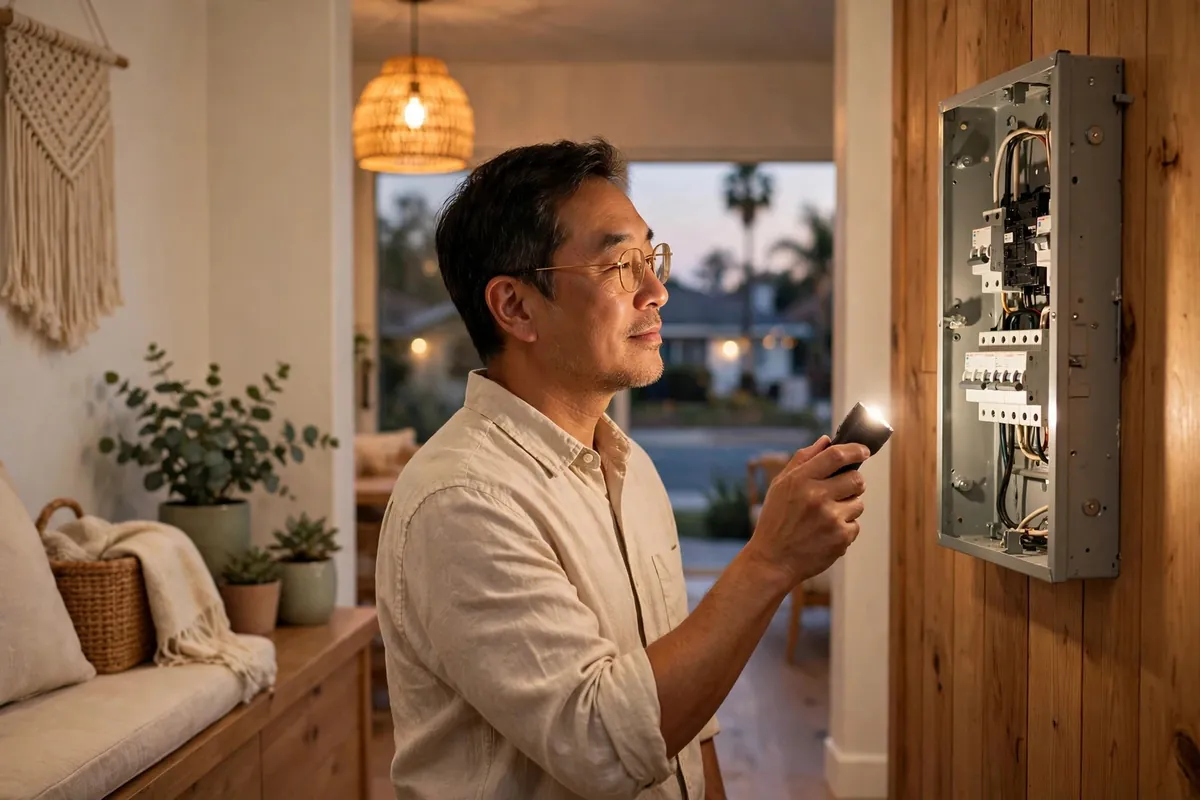
The shutoff notice just came. Now what?

A Public Safety Power Shutoff gives you a day or two of warning. Here is what to do with it.

Open the guide

Skills guide

Making water safe to drink.

Filtering clears it. Disinfecting makes it safe. You usually need both.

Open the guide

Kit guide

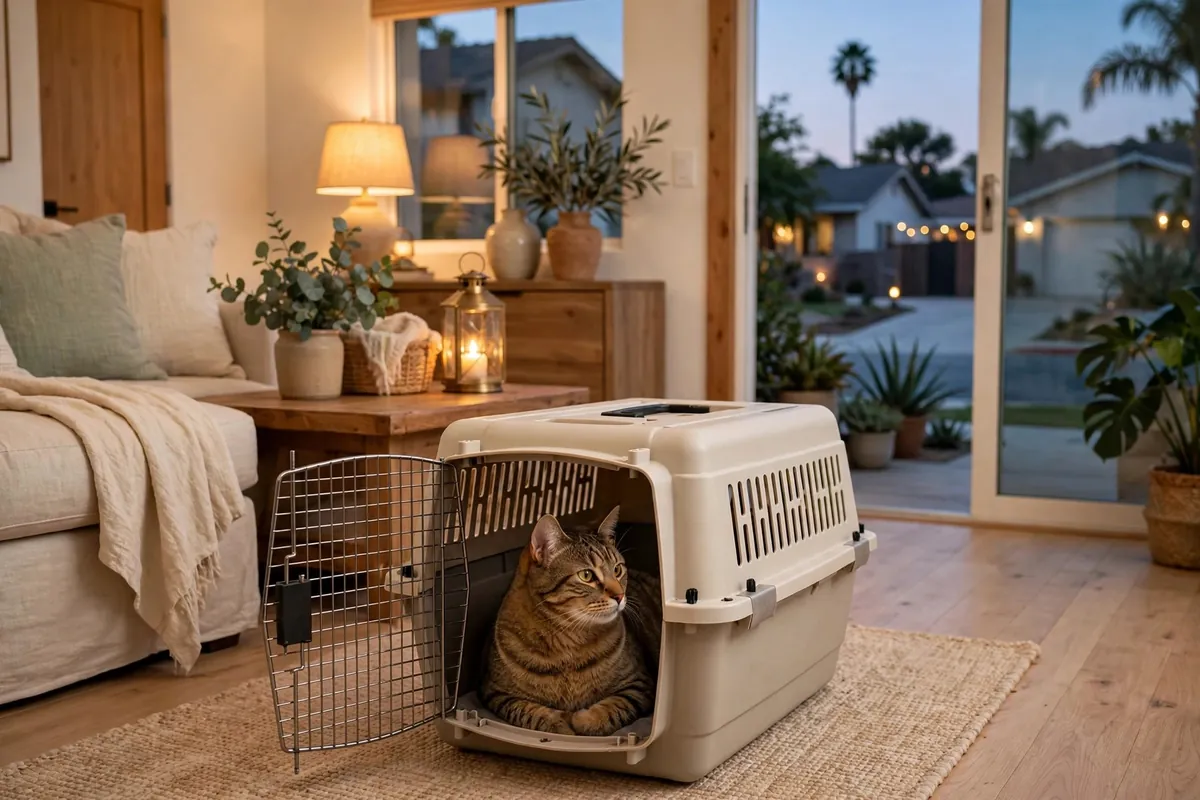
The pet evacuation kit.

Most shelters will not take your animals. This is how they leave with you anyway.

Open the guide

Scenario guide

The power is out until tomorrow.

The first hour, in order. Most of the damage happens in the choices you make right now.

Open the guide

Scenario guide

Earthquake. The first ten minutes.

What to do while it is shaking, and the order to work in once it stops.

Open the guide

Skills guide

Hygiene when the water is off.

Twelve mistakes that get people sick faster than hunger does.

Open the guide

Scenario guide

Heat wave, no AC.

How to keep a house and the people in it safe when it is over a hundred and the power is out.

Open the guide

Home guide

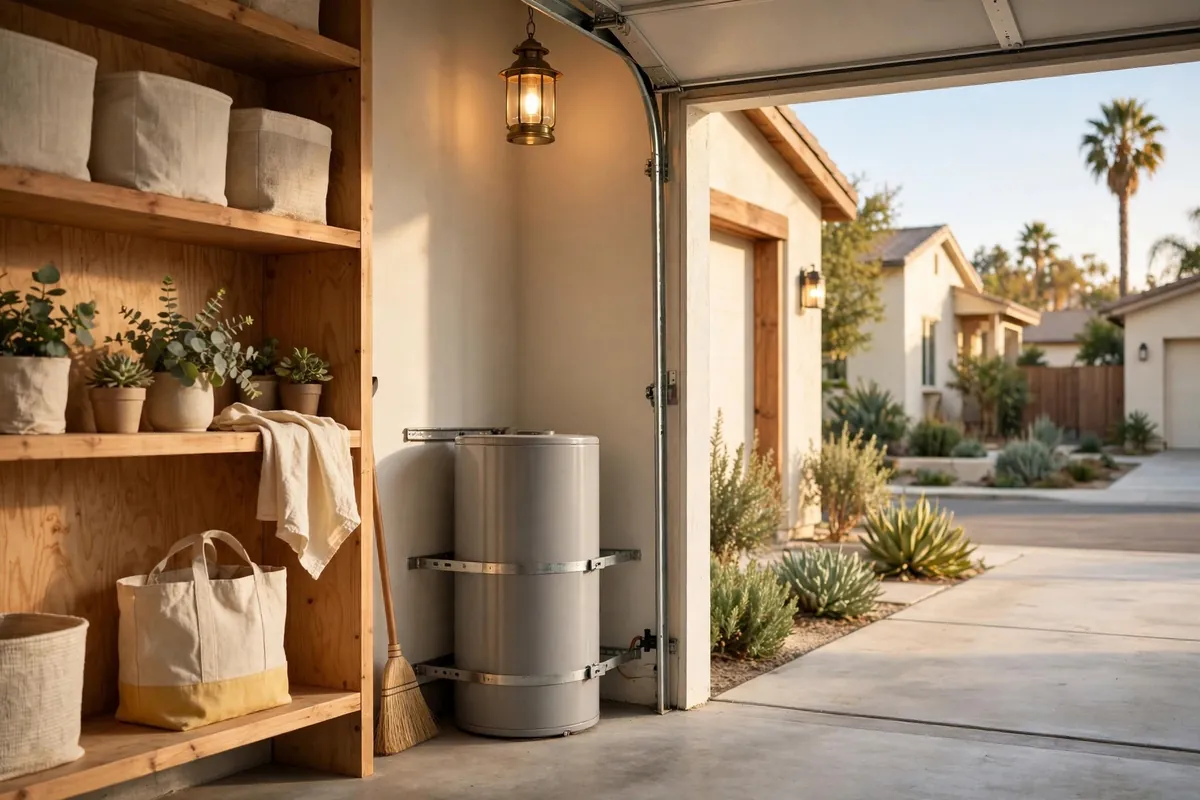
The 20-minute earthquake home check.

Twelve things to fix or find, most of them with a wrench and a free evening.

Open the guide

Skills guide

The two-liter bottle filter.

A clarity filter from things already in the house, and the one step people skip.

Open the guide

Home guide

The document folder.

Twelve things to put in one folder by the door, so paperwork never costs you a day.

Open the guide

Kit guide

The car kit, in buying order.

Twelve things for the trunk, cheapest and most important first.

Open the guide

Gear Lab guide

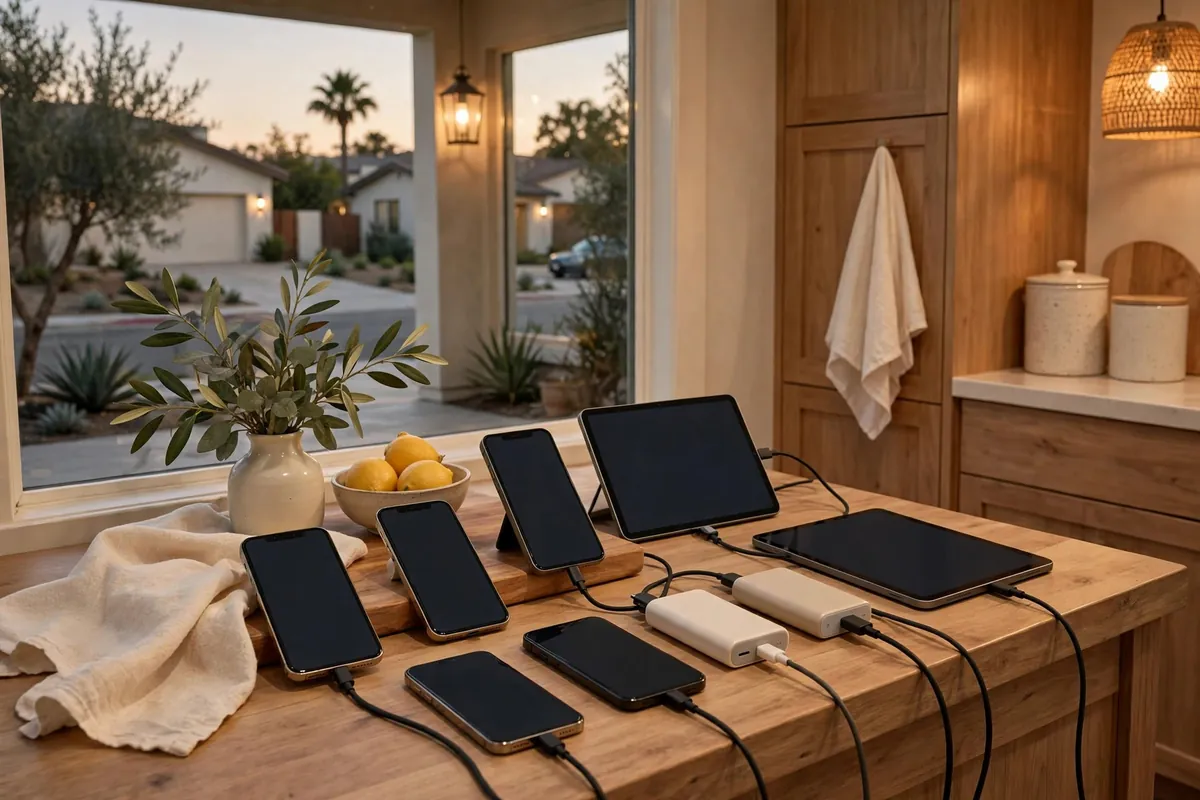
Backup power, ranked by what actually works.

Twelve ways to keep phones, lights and a fridge going, from best to barely.

Open the guide

Kit guide

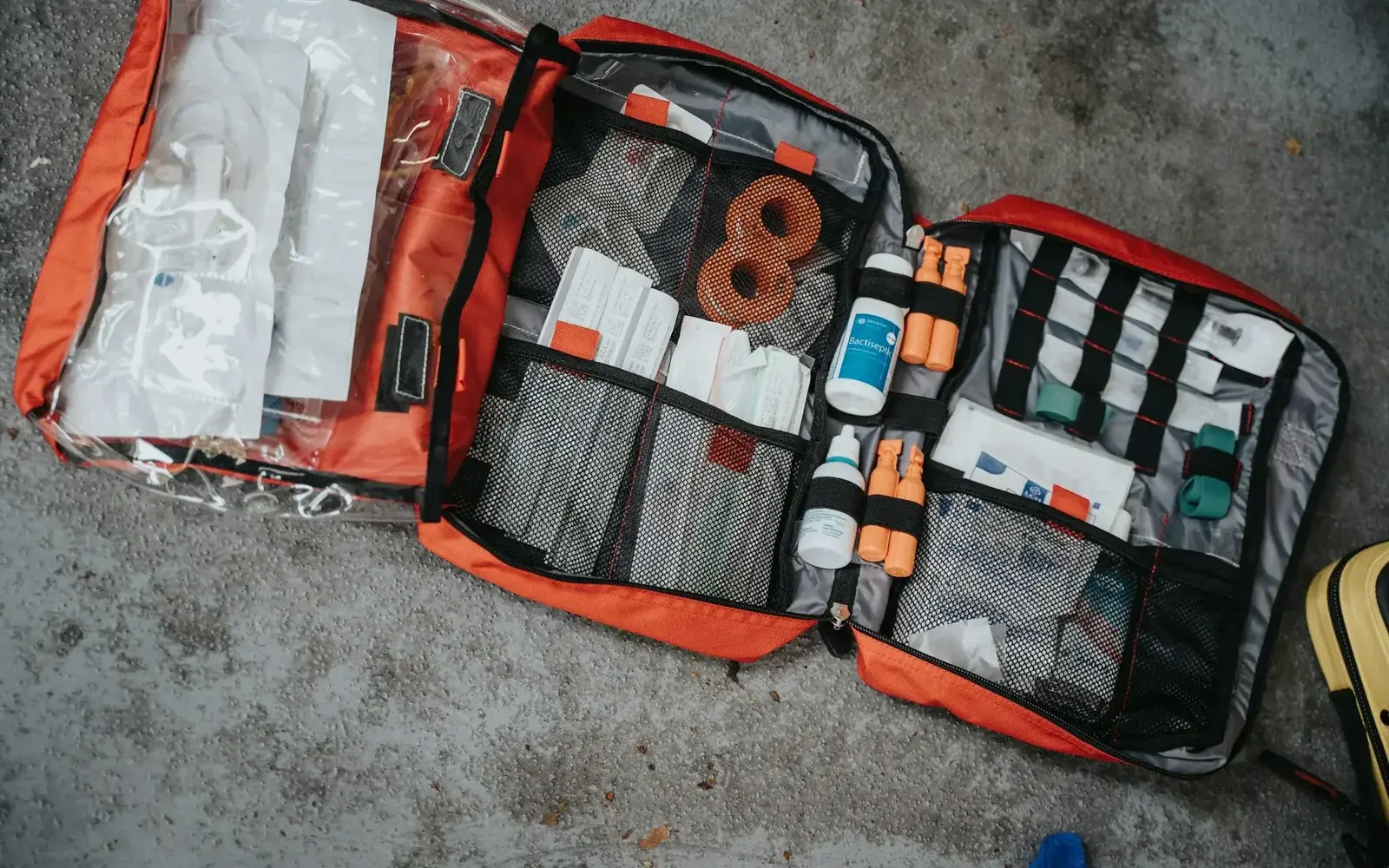
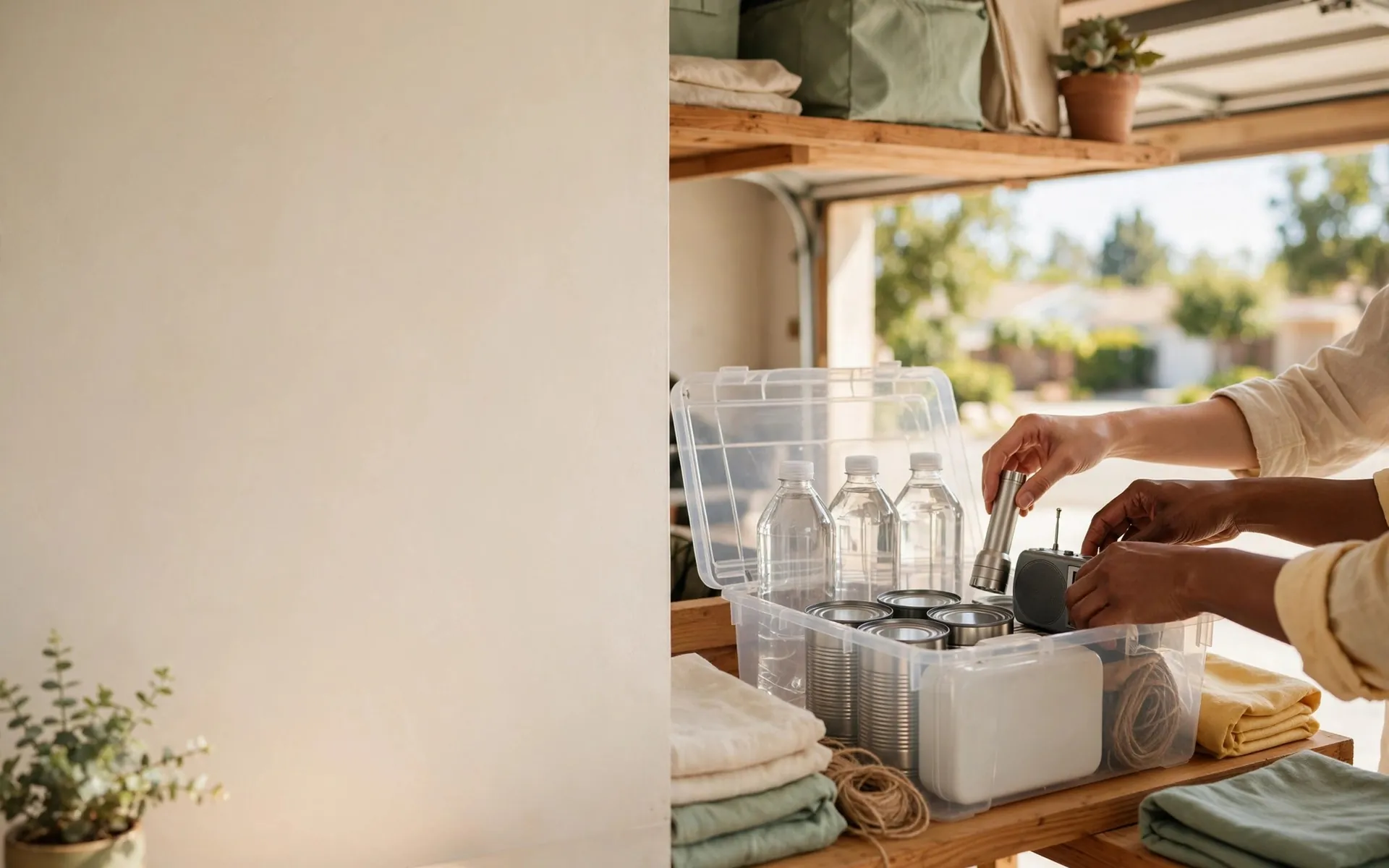
The 72-hour family kit, item by item.

Everything a household needs for three days with no help, and nothing it does not.

Open the guide

Home guide

A week without power.

How a normal household eats, stays clean, keeps cool or warm, and sleeps when the grid is gone for days.

Open the guide

What would you do if…

All scenarios

Articles

Gear worth knowing

Need it4.3/ 5 overall

Water · $

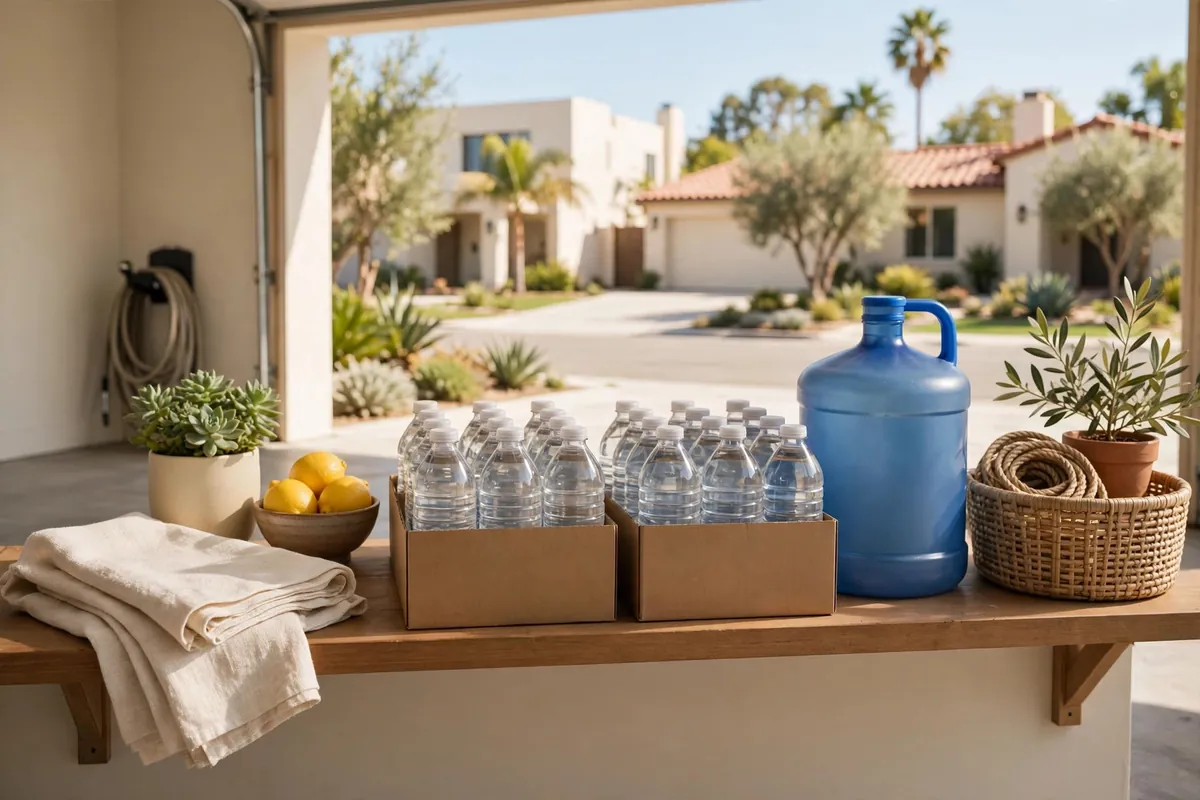
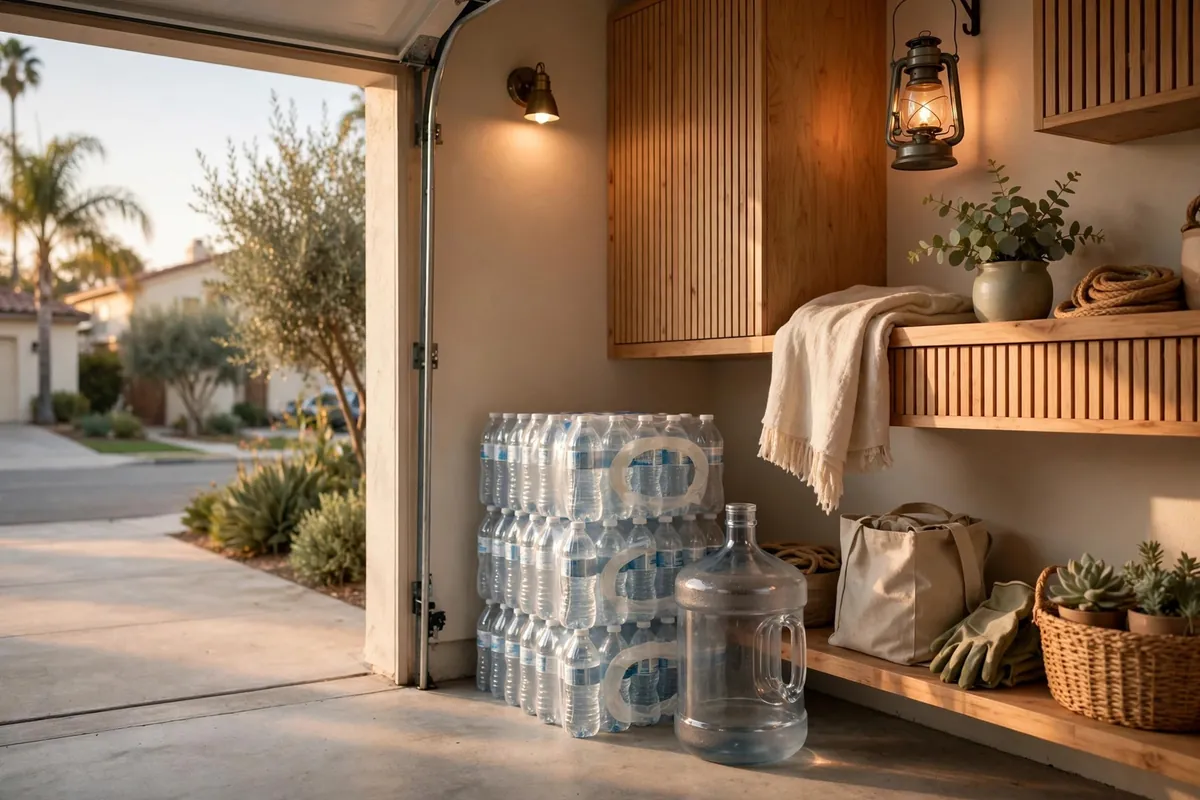
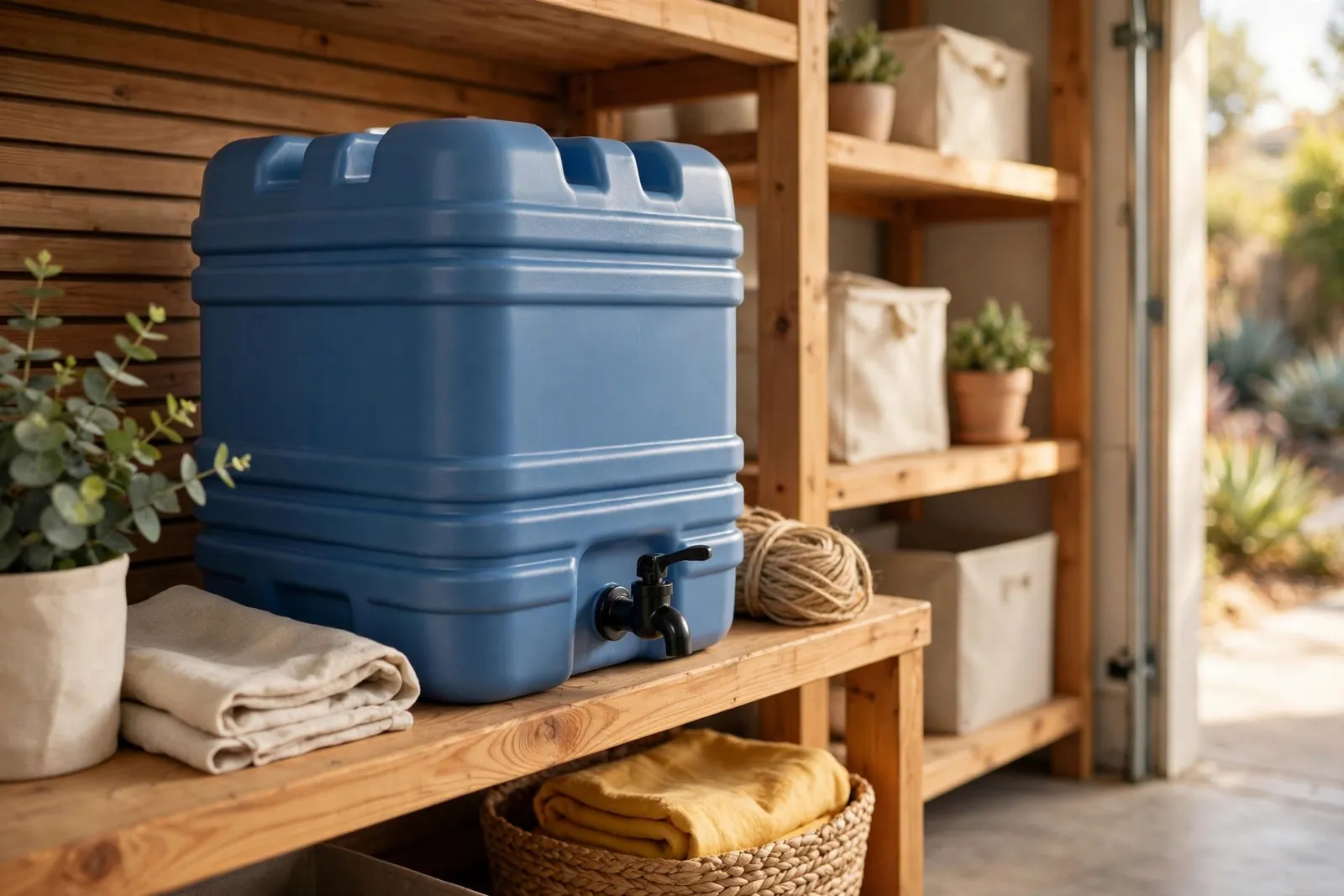
Stackable 7-gallon water container

The first thing to buy. One jug is about two days for a family of four, it stacks in a garage, and it costs less than a takeout dinner.

usefulness
reliability
ease
durability
portability
value
Situational3.7/ 5 overall

Communication · $$

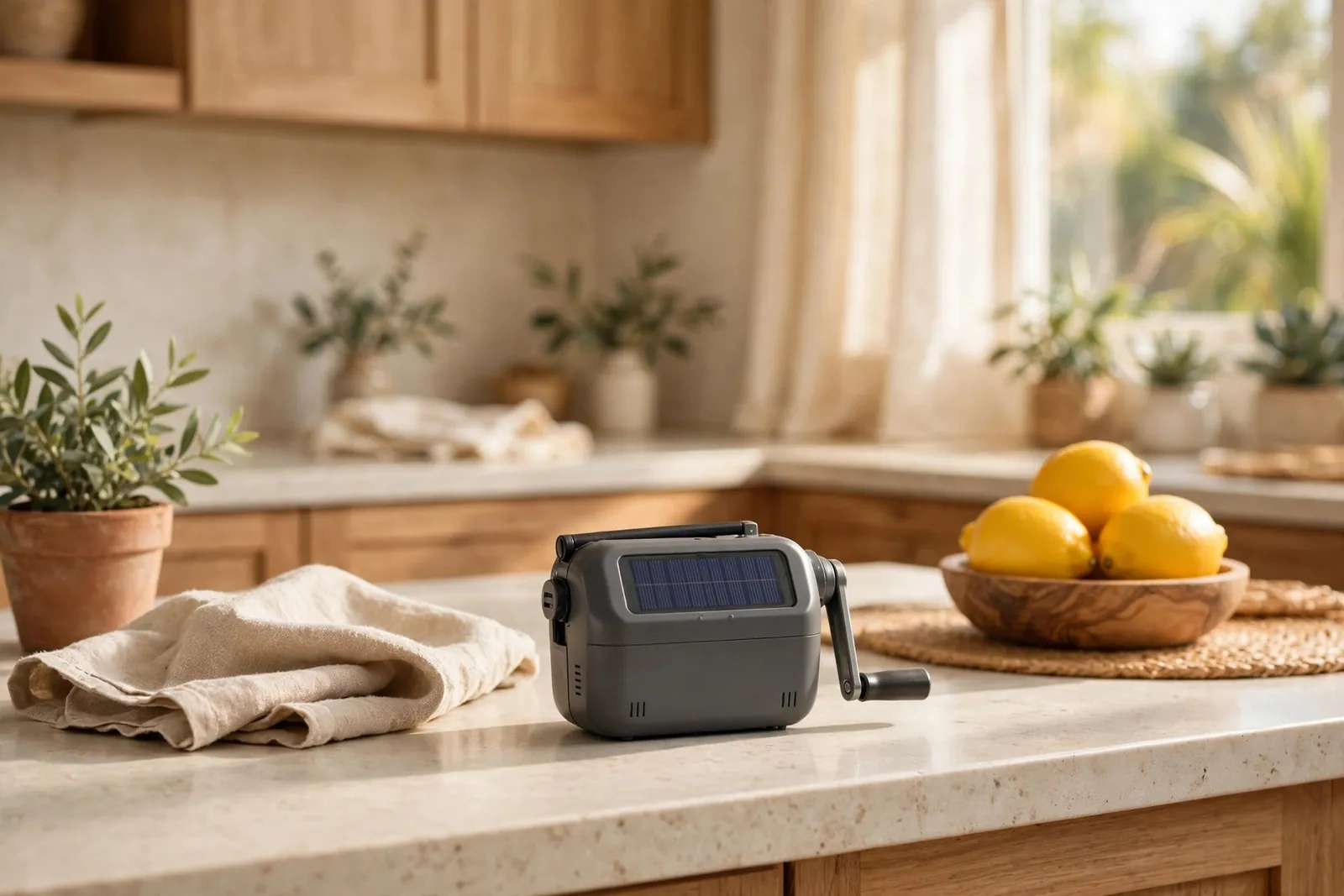
Hand-crank emergency radio

Worth it if your outages last days or you are in fire country. If your power comes back in hours, your phone and a charged power bank already do this job.

usefulness
reliability
ease
durability
portability
value
Need it4.2/ 5 overall

Power · $$$

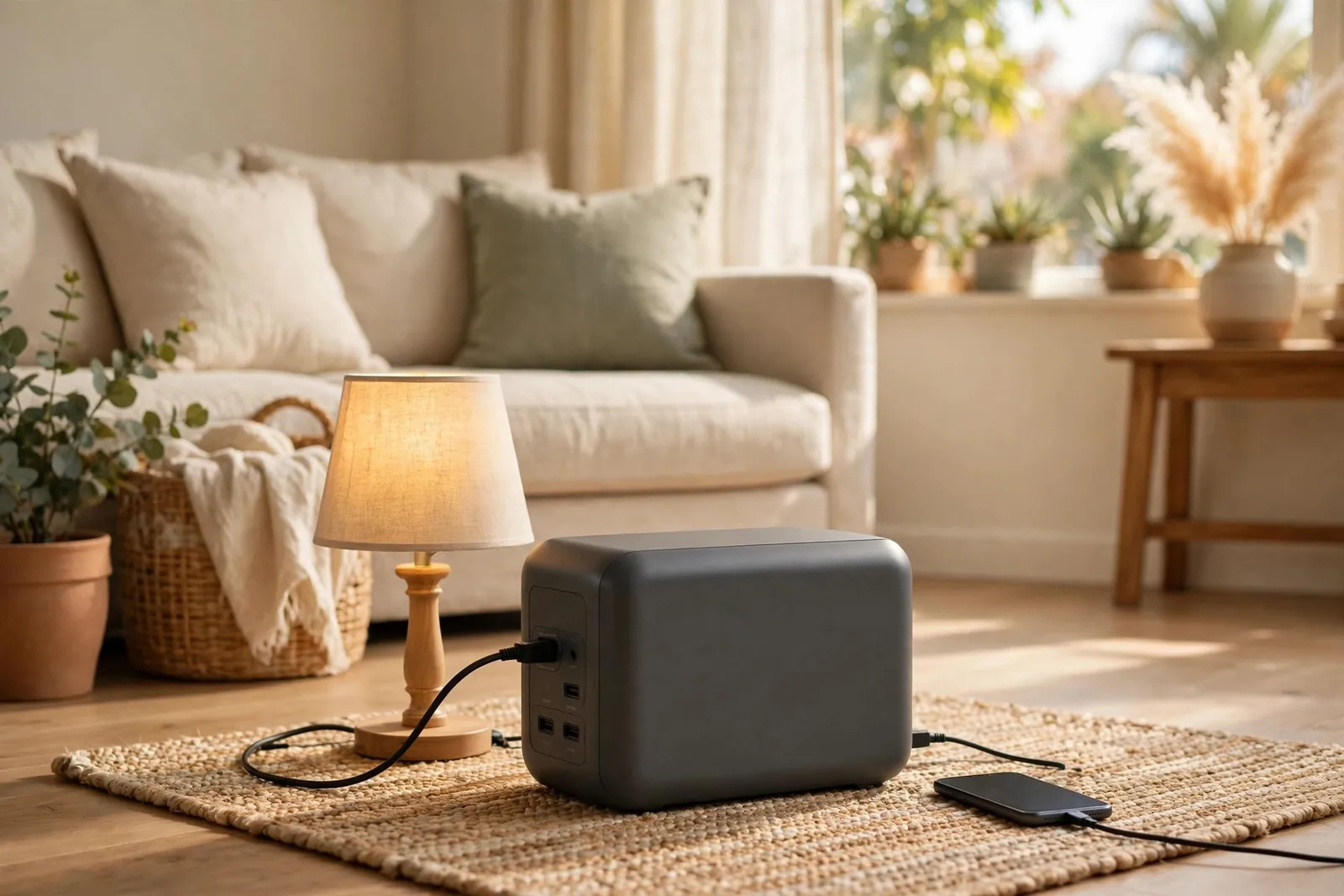
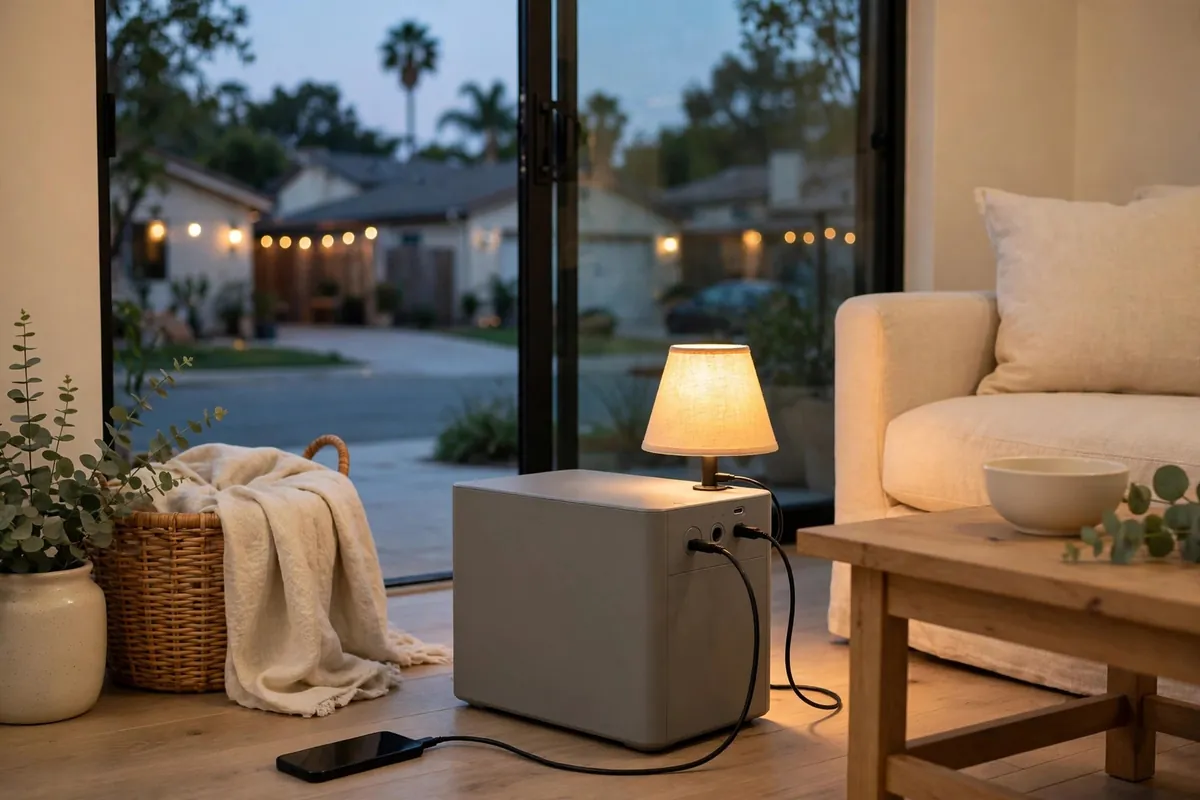
Portable power station

The backup power most households should buy before a generator. Silent, safe indoors, and it runs phones, lights, a router and a CPAP overnight.

usefulness
reliability
ease
durability
portability
value